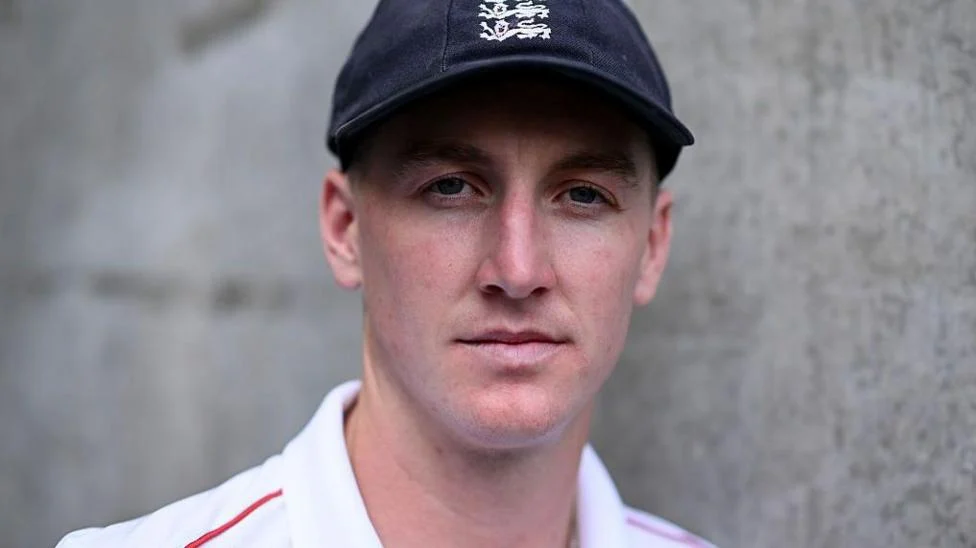
Harry Brook’s composed 91-run performance from 93 balls on day two of the first Test against Pakistan at Headingley marks a potential turning point in his international career. The “hometown boy” displayed a level of restraint and concentration that was noticeably absent during England’s challenging Ashes campaign last winter, where he often fell to wild, impulsive shots. By avoiding reckless charges down the pitch and focusing on punishing loose deliveries, Brook demonstrated a tactical maturity that suggests he could become a prolific run-scorer if he maintains this disciplined approach.
This shift in temperament arrives shortly after Brook was overlooked for the England Test captaincy. While managing director Rob Key and the England and Wales Cricket Board hierarchy considered him, they ultimately decided he was not yet ready for the leadership role. According to Jonathan Agnew, the decision largely stemmed from concerns over maturity, citing past incidents like those in Wellington and previous media interactions. While Brook has proven himself a capable leader in white-ball cricket, the Test captaincy requires a broader capacity to represent the country and address complex global issues, a standard for which he has yet to show full readiness.
Consequently, Joe Root was selected as the only viable candidate. However, Root’s current tenure is expected to be short-term, likely concluding after next year’s Ashes. This leaves the door open for Brook to prove his growth in the interim. While emerging leaders like Jacob Bethell are also highly regarded, Brook remains a rare talent—frequently compared to greats like Kevin Pietersen and David Gower—and could still ascend to the captaincy if he continues to marry his natural ability with the composure he showed at Headingley.
The broader context of this Test match reflects a necessary evolution for the England side. Following the frustrations of the past four years and 38 Tests, there is a clear push to move beyond the inconsistencies of the previous regime. While the team aims to retain the positive spirit of the “Bazball” era, they are now seeking to eliminate the recklessness that previously hindered their progress. The current leadership, including Root and Stephen Fleming, appears focused on a more astute, balanced style of play.
England entered day three in a commanding position with a 185-run lead, providing an ideal platform to secure a 1-0 series lead. The batting performance was bolstered by Jordan Cox, who showed similar class and restraint in his 73-run innings, despite also falling to spinner Usman Ali. Root’s own measured contribution helped anchor the lineup, offering a template that fans hope will become the norm.
Pakistan, meanwhile, appears to have miscalculated their squad selection for this series. By failing to include an additional seamer, they are noticeably lacking the pace required to trouble the English batsmen on this surface. This tactical error has provided England with a favorable opportunity to reset their trajectory. As the team looks toward significant upcoming challenges, including a winter tour of South Africa and next summer’s Ashes, the disciplined performances of players like Brook suggest that England is finally learning how to translate their immense talent into consistent, ruthless results. The report also notes that not once did he come charging down the pitch. The report also notes that yes, he was dropped on one but after that he just kept his concentration and knocked bad balls for four. The report also notes that he will score a million runs if he keeps batting like this. The report also notes that or because I did not rate him as a batsman, any frustration I have ever expressed towards Brook has never been personal. The report also notes that when he got out driving Scott Boland in Perth or swinging at Mitchell Starc in Brisbane, I feared he could waste what he has worked so hard to have, but in Australia. The report also notes that that role is about more than purely the decisions made on the field.