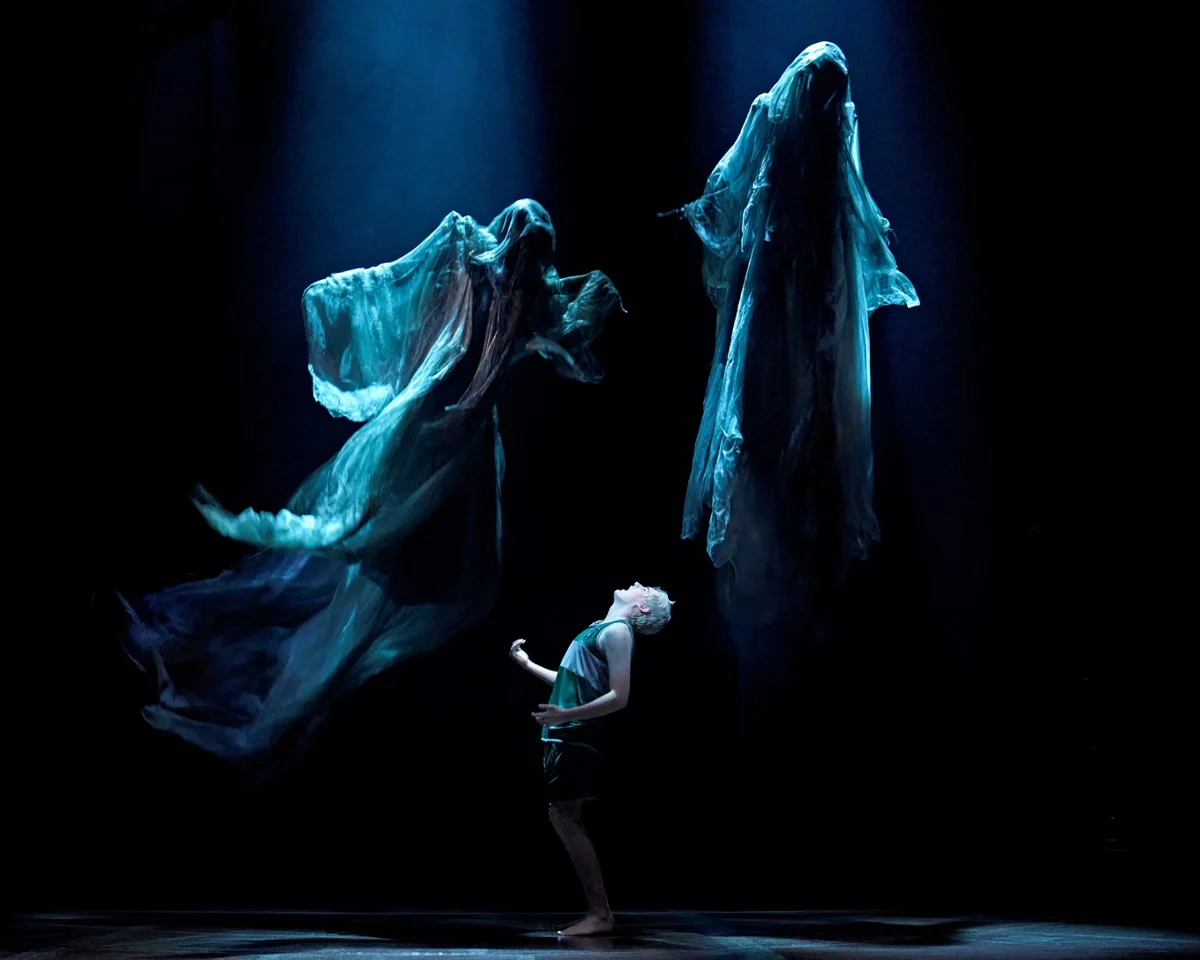
Following a decade-long run, the original two-part stage production of Harry Potter and the Cursed Child concluded its West End tenure on September 20. The production is now undergoing a major transformation, condensing its six-hour combined runtime into a single, three-hour performance. Producer Sonia Friedman has described the shift as analogous to swapping a Bentley for a Ferrari, emphasizing the efficiency required for the new, faster-paced iteration. The Harry Potter and the Cursed Child rehearsal room – a creaky church hall whose Victorian wall clock gives a serendipitously Hogwarts flavour – is a near-permanent bustle of activity. A costume designer helps an actor into a suspiciously long pair of gloves, a sound technician quickly re-sets cues on her laptop. This is their only full week together in the rehearsal room.
Rehearsals are currently underway to prepare the production for its new format. The movement director, Nuno Silva, notes that the show remains incredibly physical, requiring performers to move set-pieces constantly. Silva reminded the cast that the production functions like the Hogwarts Express, which does not make stops at suburban stations, underscoring the intensity of the work. For the company, the transition is a significant adjustment, with some veteran cast members having to learn a new script while continuing to perform the old one. And look expectantly at movement director Nuno Silva. “If you’ve got a cloak, accio it now …” With that summoning charm cast, broomsticks are stowed, wands holstered, suitcases grabbed, two dozen tank-topped and T-shirted figures fall quiet. Associate director Nicola Samer is quietly running notes with a couple of the leads while the rest of the company preps for the next scene. Every moment put to urgent use, there’s a film-set vibe. Including the two young leads, have only just joined them, some of this cast have performed the two-parter for years; many others.
David Ricardo-Pearce, who has portrayed Harry Potter for three years, described the process of re-learning the show as complex yet exhilarating. He has been exploring new ways to play his character, including performing certain scenes with less combativeness. The creative team, led by director John Tiffany and writer Jack Thorne, faced initial resistance to shortening the play, with Tiffany admitting they were dragged kicking and screaming to the idea. However, the success of a three-hour version on Broadway, which proved more accessible for younger audiences, convinced them to move forward. It’s appropriate that the scenes must be learned at pace.
The creative process has involved a difficult editing phase, as entire sequences and characters had to be removed to fit the new runtime. Tiffany explained that every word had to earn its place in the script. Jack Thorne, who received both Tony and Olivier awards for the original, found the directive to maintain complexity while shortening the play to be liberating rather than restrictive. The final result shifts the narrative focus more tightly onto the adventures of Harry’s son and his best friend.
The London production remains a vital flagship for the franchise, largely due to the unique capabilities of the Palace Theatre, which accommodates technical effects like hydraulic water tanks and stage flames that are difficult to replicate elsewhere. The team is also conscious of changing audience habits. Recognizing that digital-native viewers have different attention spans, the team has aimed to make this version more cinematic to keep the younger generation engaged.
Magic and illusion design, originally overseen by Jamie Harrison, remains a cornerstone of the production. Jonathan Bulleid, who teaches the cast these illusions, noted that his role has historically been focused on repetition to ensure gold-standard consistency. With the new one-part format, however, he has been able to introduce new tricks and creative possibilities. The production’s ongoing impact is evidenced by its role as an entry point to the performing arts, having been seen by more than 300,000 first-time theatregoers in London alone.
Sonia Friedman justified the evolution of the show, citing that the cost of living has increased by 30 to 40 percent since the pandemic, necessitating a sustainable model for the future. While the record-breaking 10th year of the show is unlikely to be surpassed, the producers remain open to future possibilities, including the potential for actors from the films to join the stage production in London. Though Broadway offers higher wages, Tiffany maintains a clear preference for the artistic environment of the London stage.