
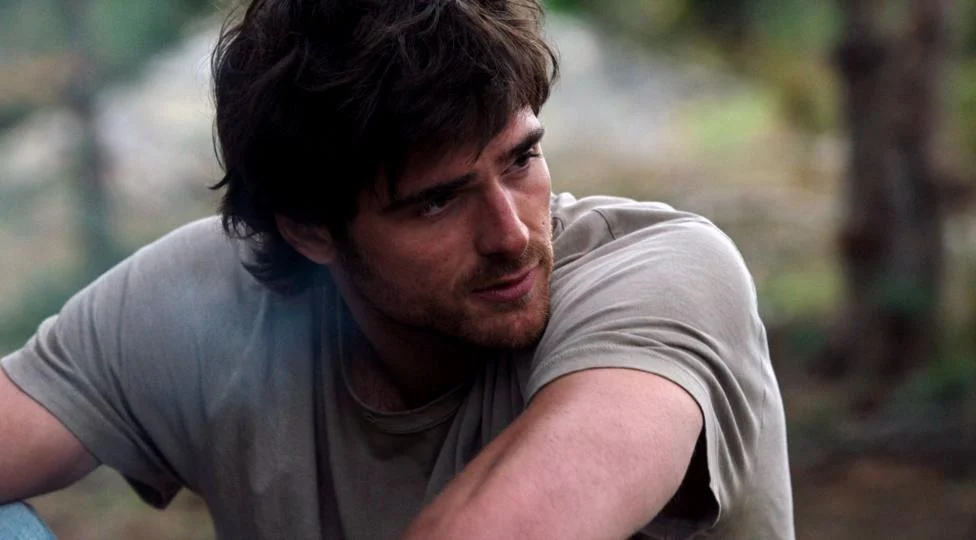
Sir Ridley Scott’s latest directorial effortThe Dog Starspresents a harrowing vision of the 2030s, where a lethal flu has decimated the global population, leaving only those with natural immunity to navigate a landscape defined by anarchy and environmental collapse. Based on Peter Heller’s 2012 novel, the film features Jacob Elordi as Hig, a former mechanic and civilian pilot who patrols the skies over Colorado alongside his canine companion, Jasper, in a desperate search for resources and meaning.
The film, which opens in UK cinemas on August 28, boasts a cast that includes Guy Pearce and Margaret Qualley. Elordi, who earned an Oscar nomination earlier this year forFrankensteinnoted that filming in such a stark environment felt surreal. He described moments on set where he looked around and felt the strangeness of performing make-believe in a world that mirrors the fragility of our own reality. He emphasized that while the dystopian premise is frightening, it is a necessary subject to examine, especially as society feels increasingly on the cusp of such realities.
Elordi shared that he resonates with his character’s internal struggle to find contentment. He pointed out the irony of modern life, where people have access to basic comforts like parks, shops, and social connection, yet still find themselves questioning what they are missing. Guy Pearce, who plays the survivor Pops, echoed this sentiment, noting that the film highlights the privilege of everyday existence—a reality often taken for granted by those living in stable societies.
Both actors bring personal experience to the film’s themes of environmental destruction. Having grown up in Australia, they are familiar with the impact of natural disasters. Pearce, who previously collaborated with Scott onPrometheusin 2012, recalled the recent damage caused by bushfires in his home state of Victoria. He described the increasing effects of climate change worldwide as a terrifying prospect that feels uncomfortably close to home.
Despite the bleakness of the setting, Elordi finds a thread of optimism in the film’s depiction of nature. He highlighted scenes of lush greenery and flowers blooming amidst the decay, suggesting that the earth possesses an inherent capacity for regrowth and redemption. This, he argues, offers a vital note of hope, mirroring how nature inevitably recovers even after the most destructive wildfires.
Sir Ridley Scott drew inspiration for the film from both the original novel—written in the wake of the 2008 financial crisis—and the recent Covid-19 pandemic. He noted that combining these two events creates a potent recipe for chaos, panic, and anarchy. Reflecting on his own childhood, the director shared that his perspective on the apocalypse was shaped by his experience as a “war baby” during the Second World War, where sheltering under stairs during bombing raids felt like the end of the world.
For Elordi, working with Scott was a career-defining opportunity. While he admitted to being intimidated by large-scale action films, the chance to collaborate with a pioneer of the industry was an offer he could not refuse. He described the experience as a privilege and “kind of unfathomable.”
Critical reception to the film has been varied.The Hollywood Reporter’s David Rooney called it a “muted but never dull” and “appealingly mellow watch,” whileThe Telegraph’s Tim Robey awarded it three stars, noting that the action sequences provide “momentary dumb fun.” ConverselyThe Guardian’s Benjamin Lee described it as “limp and lethargic,” andEmpire’s Helen O’Hara questioned whether the film fully succeeds in its attempt to distinguish between surviving and thriving. The report also notes that the stars of the sci-fi film say they hope its themes will makes viewers question the parts of their lives they take for granted, based on Peter Heller’s 2012 novel of the same name. The report also notes that with the characters living in “the apocalypse” but “still looking for something else and hoping for something else”, he said the film portrays “the human condition”. The report also notes that it immediately draw parallels with the Covid pandemic with its aerial shots of abandoned cities and Hig’s constant search for resources like food and medicine. The report also notes that the 29-year-old also says he resonates with his character’s struggle to be content with life. The report also notes that go to the shops, go to the park, have dinner with each other and we still go to bed and think ‘What else is there?’, ‘What am I missing?’, ‘What’s wrong?’ and nothing is”, everything is sweet for us – we’re able to walk around on the street. The report also notes that pearce says the way the film highlights “this world we take for granted” is “pertinent” adding: “You can go to the supermarket and get food and wake up with your family – a lot of people even to this day don’t live like that, so I am absolutely aware of [my] privilege”. The report also notes that with scenes of scorched earth that resemble the images many of us have seen in places affected by wildfires, the film’s anarchical vibe is also portrayed through its environment.





Comments