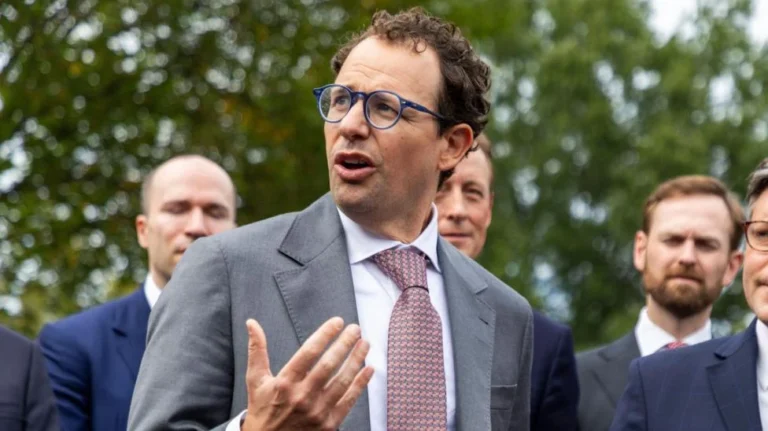
Chancellor John Healey has delivered his first Budget, pledging a £100 one-off payment to millions of households to offset rising energy costs. This relief, targeting residents in council tax bands A to D across England, will be funded through a tax hike on major banks. The government expects to double the tax on bank profits from 3% to 6% beginning in January, with the measure remaining in place until April 2028. Healey announces £100 energy bill help for millions and raises taxes on banks and some savers.
Addressing the House of Commons during a lengthy session, Healey described the initiative as a way to provide families with “breathing space now” and “hope for the future” while navigating significant global economic volatility. In addition to the direct energy payment, the chancellor announced that gas standing charges across England, Scotland, and Wales will be abolished during 2027 or shortly thereafter. These costs will transition onto unit prices, resulting in higher charges for heavy users. With Prime Minister Andy Burnham and other frontbench colleagues cheering him on, the chancellor unveiled a string of measures aimed at cutting the cost of living, in an hour-long speech to a packed House of Commons.
Other measures to address household expenses include extending the 5p reduction in fuel duty on petrol and diesel through July, as well as a 3.9% increase to the minimum wage starting in April. The government also confirmed tax increases on high-stakes gambling machines and new tax incentives intended to stimulate high street commercial activity. Although there will be no progress on narrowing the gap between rates for older and younger workers, increasing minimum wage rates by 3.9% in April.
Conservative leader Kemi Badenoch launched a sharp critique of the proposals, labeling them insufficient. She characterized the government’s overall fiscal direction as “overspent, overborrowed, overtaxed and drowning in an out-of-control welfare system.”
While the budget introduced immediate relief measures, Healey noted that major policy decisions regarding welfare reform and defence spending remain deferred until next year. The Scottish government has stated its intention to replicate the energy payment scheme, while Welsh authorities have confirmed they will match the support for their residents.