
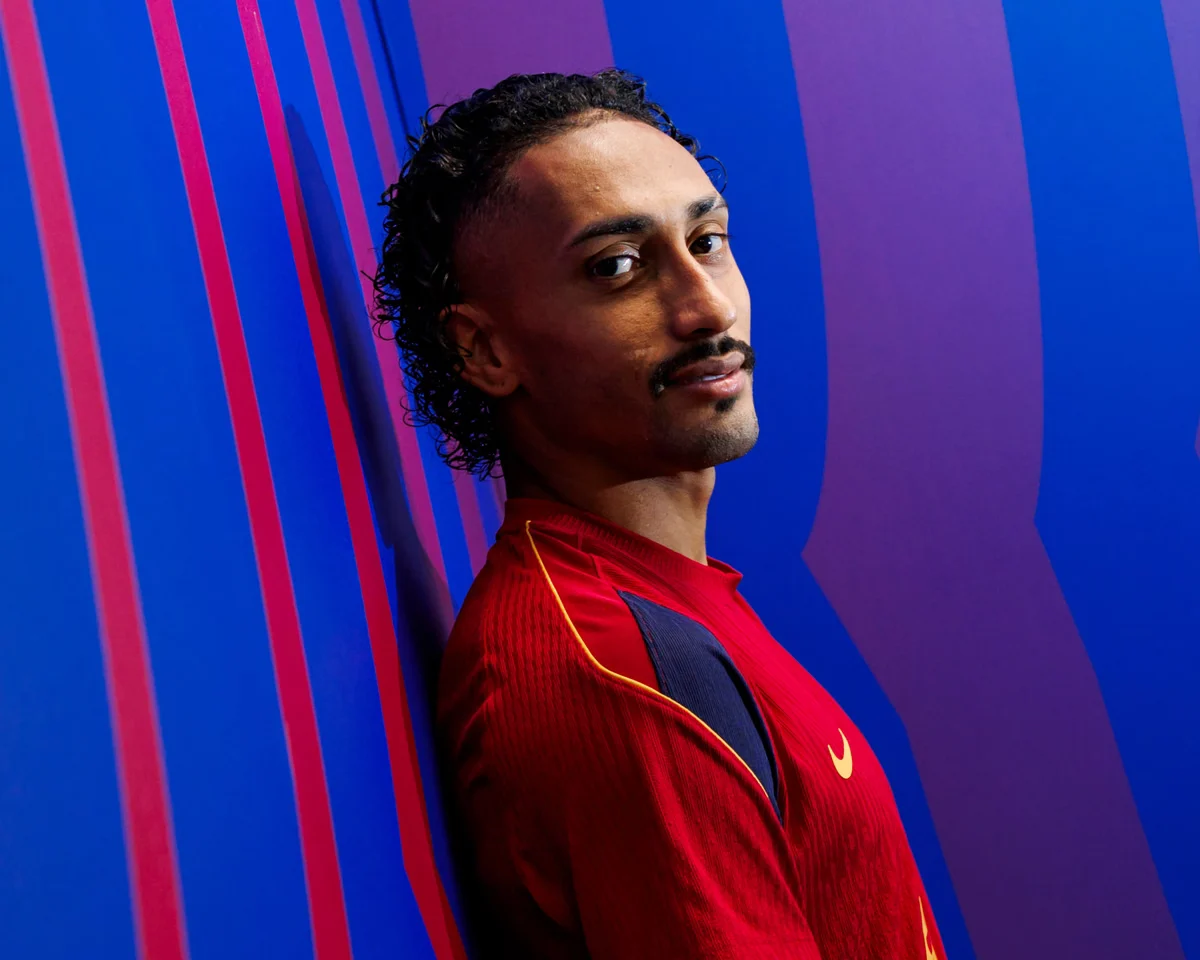
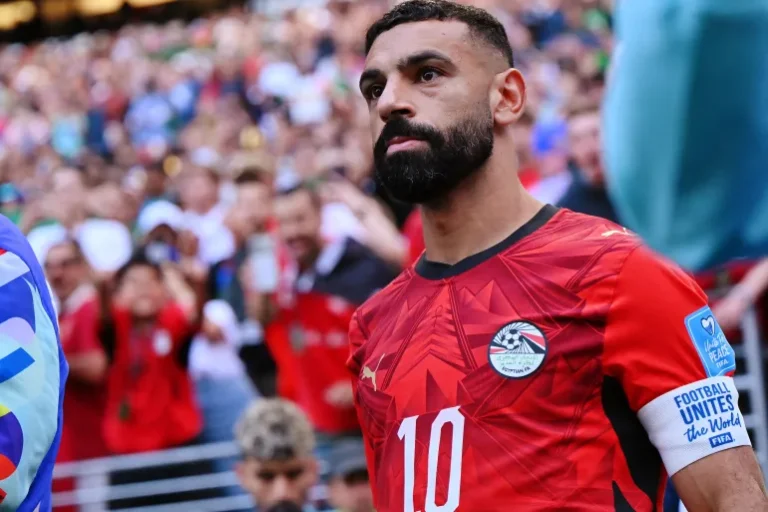
Raphael Dias Belloli, known to the world as Raphinha, recently paused to reflect on his unlikely metamorphosis from a player who felt unwanted to the heartbeat of Barcelona. The Brazilian admitted that for a long time, he believed his departure from the club was inevitable. However, a series of pivotal moments and a newfound sense of responsibility have redefined his career, leading him to extend his stay at the club until 2030.
By 2024, Raphinha’s future at the Camp Nou seemed bleak. Despite respectable statistics—recording 10 goals and 12 assists in his debut season, followed by 10 goals and 13 assists in his second—he felt marginalized. Under Xavi Hernández, he completed 90 minutes only seven times in 60 appearances, and with the rise of Lamine Yamal, Raphinha had mentally prepared himself to leave. He even admitted that seeing a doctored photo of Nico Williams in his No 11 jersey on social media stung.
The shift began with a phone call from manager Hansi Flick while Raphinha was in Brazil. Flick convinced him to stay, expressing genuine trust and a vision for how the team’s tactical setup would play to the winger’s strengths. This conversation proved to be a turning point. Raphinha credited Flick with changing his mentality, noting that the manager altered his approach both as a professional and a person. Flick himself has been effusive in his praise, calling Raphinha the perfect captain and a leader whose intensity sets the tone for the entire squad.
The role of center-forward was thrust upon Raphinha out of necessity. During the summer, the departures of Robert Lewandowski, Ferran Torres, and Marcus Rashford—who combined for 38 league goals the previous season—left a void. Attempts to sign Julián Álvarez failed when Atlético Madrid refused to sell, and other targets like Anthony Gordon did not materialize. During a friendly against Basel, Raphinha was asked to fill the No 9 position. Having never played as a traditional striker, even in his youth, he adapted quickly to the manager’s tactical adjustments.
The results have been staggering. Seven games into the La Liga season, Raphinha has already netted 12 league goals, adding two more in the Champions League. His scoring streak has included braces against Elche and Rayo Vallecano, a hat-trick against Racing, and strikes against Athletic, Valencia, and Sevilla. Far from a false nine in name only, his movement, clinical finishing, and timing have mirrored those of a classic striker, while his ability to create chances for teammates like Lamine Yamal remains intact.
Beyond individual accolades, Raphinha has embraced the role of captain, a responsibility he initially did not seek. When he learned his teammates had voted for him to lead them, he described the feeling as a switch being flipped in his mind. He observed that people saw a leadership potential in him that he had not previously recognized in himself. His leadership style is grounded in empathy and a relentless work rate; he currently ranks as the player with the second-furthest distance covered in the league, consistently driving his team forward.
This current success is a testament to both his human resilience and his tactical integration. Barcelona has been in formidable form, scoring freely throughout the campaign, with matches yielding five, two, five, five, five, four, seven, and three goals respectively. The team’s focus remains fixed on the Champions League, which remains their primary obsession after near-misses against Inter in 2025 and Atlético in 2026. The squad is noticeably young, with four first-team players born in 2007, a fact that makes the 29-year-old Raphinha feel like a veteran mentor.
The contract extension through 2030, by which time he will be 33, reflects a mutual desire for him to conclude his playing days at Barcelona. Raphinha acknowledges that the adoration of fans is tied to results, yet he remains deeply touched by the trust placed in him by the club and his peers. He emphasizes that if teammates are corrected, it is done for the benefit of the team, maintaining a balance of discipline and support. Under Flick’s direction, Raphinha has become the spearhead of a system designed to maximize his intensity and hunger, confirming that his most productive years are currently unfolding. The report also notes that a footballer forever on fast forward, pauses, goes quiet for a moment and then, softly, utters something that says so much: “I think maybe people saw in me something I didn’t realise was there, the man who seems to be in perpetual motion. The report also notes that but right now he is the best No 9 there is, and he did not know he was a No 9 either. The report also notes that too, a legend built on empathy and affection. “This is the best decision the club has made,” said Hansi Flick, the head coach Raphinha says changed his life, he will be 33 then: he would like to retire here and they would like him to retire here. The report also notes that sometimes you cannot get what you want so you have to settle for the best. The report also notes that when he is addressed as the world’s top No 9, is “false”, the first word Raphinha uses when training has finished and the tape starts rolling at Sant Joan Despí. The report also notes that it comes with a smile; turns out there is nothing false about this 9. The report also notes that the scorers leading the way in Europe’s other top leagues are five behind.
Comments