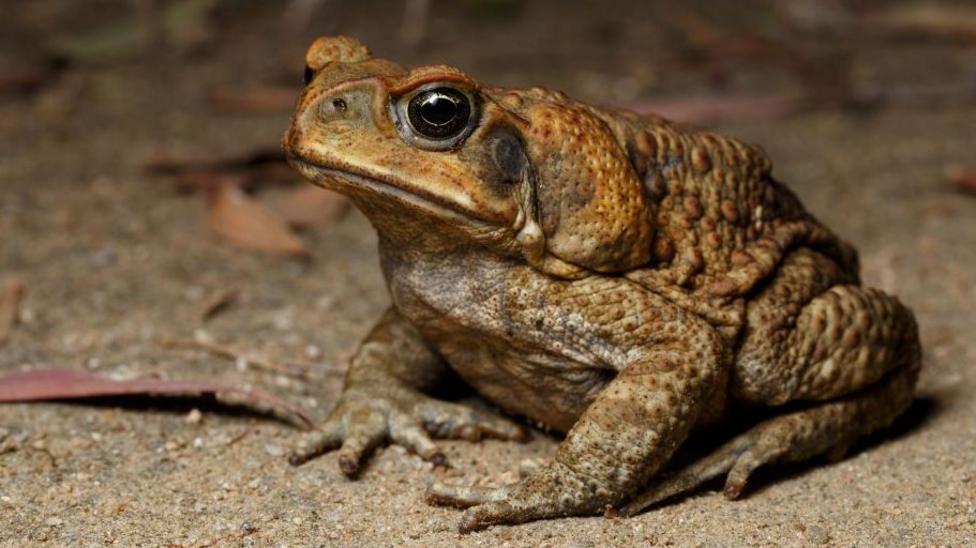
Rio Tinto is investing millions to prevent poisonous cane toads from invading the Pilbara region in Western Australia, an area critical to the mining firm’s expansive iron ore operations. The company is collaborating with Perth’s Curtin University and other stakeholders to fund a A$28m (£14.5m) project designated as a “toad containment zone.”
Although the cane toad does not pose a direct financial risk to the company’s mining activities, the species produces toxins that are lethal to indigenous wildlife, threatening the ecological integrity of the Pilbara.
This environmental effort comes as Rio Tinto works to rebuild its reputation with Indigenous communities following the controversial destruction of sacred Aboriginal rock shelters in the region—an incident that resulted in the departure of the company’s former chief executive. Provoked a widespread backlash and saw Rio Tinto commit to rebuilding trust with Indigenous communities, the decision cost the former chief executive his job.
Ranger Roberta Hunter of the Nyangumarta Warrarn Indigenous Protected Area highlighted the necessity of the project, stating that cane toads threaten to destroy water sources and animal populations. She expressed a firm commitment to stopping the pest’s advance to preserve the land.
The strategic plan involves creating a barrier across 7,500 square kilometers between the Indian Ocean and the Great Sandy Desert to restrict the toads’ access to water. Because cane toads require frequent hydration in drier conditions, the project intends to limit their reliance on artificial water sources typically used for cattle and irrigation. This five-year initiative is scheduled to commence in 2027. We want to be there to stop them because we don’t want the country to be destroyed, when toads come close to our country. The cane toad needs water every few days to survive, in drier months. The plan is to cut off the toad’s water supply by building a barrier across 7,500 sq km (2,895 sq m) of land between the Great Sandy Desert and the Indian Ocean.
Cane toads were first introduced to Australia in 1935 to manage beetle populations within the sugar cane industry. Since then, they have steadily migrated across the northern landscape at a rate of 40 to 60 kilometers annually. Currently, there are no effective natural predators or diseases to manage the invasive species, which relies on its poison for defense. Since then, they have been on a slow march west across the country’s northern landscape, according to the Australian government, travelling between 40 km and 60 km a year.
Experts warn that without intervention, the toads could reach the Pilbara within two decades.
Professor Ben Phillips of Curtin University described the project as a “once in a lifetime opportunity” to block one of the world’s most destructive invasive species.
Protecting the area is vital for vulnerable native wildlife, including the northern quoll, goanna lizards, and ghost bats, all of which face severe risks from the toad’s toxic spread.