Supermarket chains across Sweden, Belgium, and Luxembourg have reported a sudden, unexplained rise in temperatures across their refrigeration and freezer systems overnight. The incident has raised significant concerns about a potential coordinated cyberattack, bearing striking similarities to a recent series of hacks in France that resulted in millions of euros in food waste.
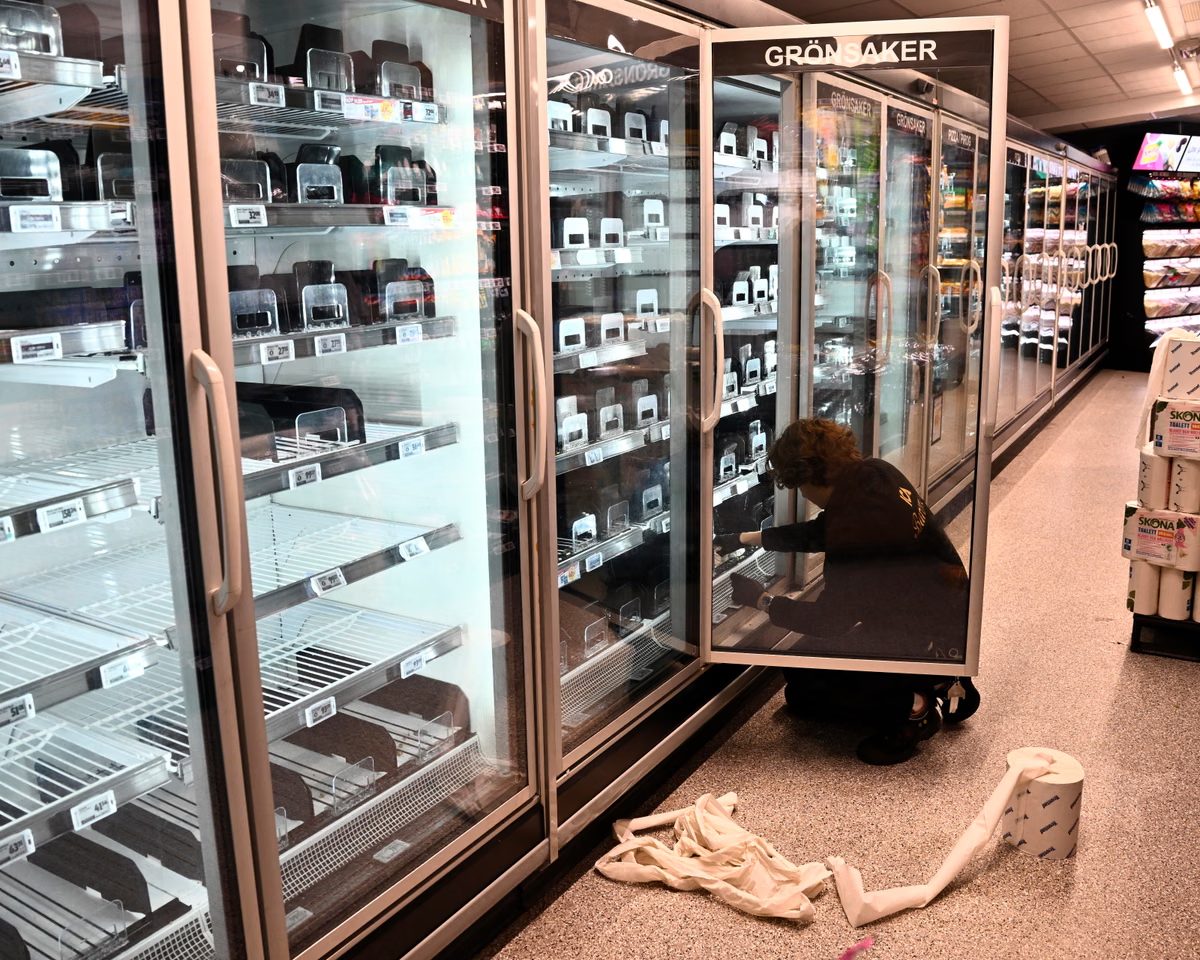
In Sweden, the Coop retail chain informed the daily newspaper Aftonbladet that six of its locations were impacted. Simultaneously, the grocery giant ICA issued a statement confirming it was aware that a limited number of its stores had been affected by an incident that interfered with cooling hardware overnight.
The Dutch retailer Ahold Delhaize, which had already reported a separate cybersecurity issue to police in the Netherlands just last month, confirmed that an IT incident disrupted operations at dozens of its supermarket locations throughout Belgium and Luxembourg. Company spokesperson Sarah De Meester stated that while internal monitoring confirmed a rise in system temperatures, a formal investigation into the breach is ongoing.
Regional reports from the Belgian newspaper Le Soir indicate that dozens of stores were impacted, including five Spar outlets, various Shop & Go convenience stores situated at Q8 service stations, and multiple smaller Proxy Delhaize minimarkets. Technicians were mobilized as early as 1 a.m. to address the failure. Stephan Moelans, chief executive of the refrigeration installation firm Sabcobel, noted that teams spent the entire night and morning manually disconnecting the compromised systems from the power grid to prevent further damage.
These events mirror a massive digital assault identified in October, where French authorities reported that hackers gained unauthorized access to cooling units at roughly 700 supermarkets. By remotely overriding settings on thousands of chiller cabinets and freezers, the attackers caused temperatures to spike from as low as -27C to well above 50C. Major French chains, including Carrefour, Intermarché, Leclerc, Monoprix, and Coopérative U, were affected by that breach. According to french police, In October that hackers had seized control of cooling units at up to 700 supermarkets in a large-scale attack that led to heavy losses of chilled and frozen foods and underlined the vulnerability of.
The consequences for store operators have been severe, with many forced to discard significant volumes of meat, dairy, and frozen products. Financial losses for individual locations have ranged from tens of thousands to over €130,000, with two stores in Alsace reporting combined losses of €270,000. These systems are typically connected to the internet to facilitate remote maintenance and automated failure alerts, making them vulnerable targets. Dairy and frozen products, with many suffering losses ranging from tens of thousands of euros to more than €130,000 (£109,000), stores had to discard vast quantities of fresh meat.
During the French investigation, officials discovered that hackers primarily pirated controllers manufactured by the Danish firm Danfoss. The French national cybersecurity agency, ANSSI, later confirmed that hardware from two additional manufacturers had also been targeted. The Paris prosecutor’s office has launched a formal investigation into the French attacks, which resulted in both inventory destruction and localized fires, as Prime Minister Sébastien Lecornu directed national agencies to prioritize the security threat.