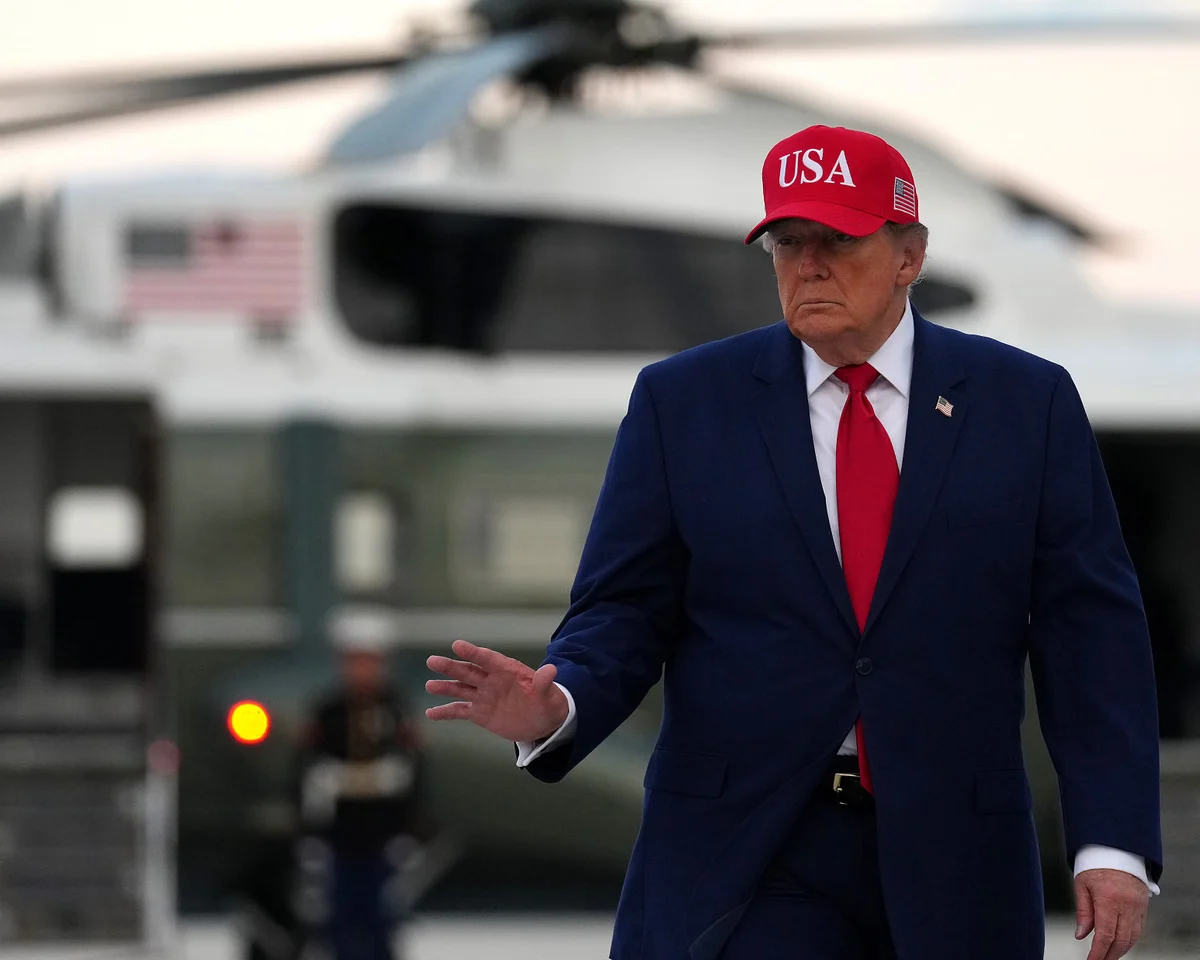
President Donald Trump has officially paused a comprehensive sanctions package aimed at the Russian economy, citing the national interest in his decision to bypass legislation recently approved by Congress. The executive order, signed this past Friday, waives a variety of sanctions, duties, and restrictions that were scheduled to be implemented within forty-eight hours. Under the legislation he signed into law, Trump had until 18 October to impose the sanctions and tariffs on Russian energy, or waive them.
This legislative package, known as the Lindsey O. Graham Sanctioning Russia and Iran Act of 2026, was championed by the late Senator Lindsey Graham and passed with strong bipartisan support. It was designed to accelerate pressure on the Kremlin by targeting Russian officials, financial institutions, and a shadow fleet of tankers currently facilitating Russian energy exports. Additionally, the act mandates the imposition of tariffs reaching up to 100% on the world’s top five importers of Russian oil and natural gas, provided they have not taken significant steps to reduce their reliance on such imports. It sought to clamp down more quickly on the flow of financial resources fuelling Russia’s war against Ukraine. With an exception for countries that import less than 15% of Russia’s natural gas exports and have taken significant steps to reduce those imports, it also directs Trump to impose up to 100% tariffs on the top five importers of Russian oil or natural gas.
The decision to waive these measures follows a controversial deal in which the United States agreed to purchase significant quantities of diesel from Russia to combat global energy price hikes. President Trump announced that Russia is expected to supply 300,000 metric tons of diesel immediately, followed by another 500,000 tons in November and an additional one million tons “immediately thereafter,” with another 3 million tons projected for the subsequent period.
This policy shift has triggered a sharp backlash, including a letter from a bipartisan group of twelve senators—half of whom are Republicans—urging the administration to enforce the congressionally mandated sanctions rather than pursuing the diesel deal. Critics argue the agreement undermines long-standing Western efforts to pressure Moscow into ending its military campaign in Ukraine. With a dozen US senators – including six Republicans – calling on Trump to rescind his diesel deal, the president has face widespread criticism after making the announcement. Called the “Lindsey O, a letter from the bipartisan group of lawmakers sent on Tuesday urged Trump to execute the sanctions authorities included in the legislation passed last month.
Ukrainian President Volodymyr Zelenskyy criticized the move during a meeting with European leaders in Brussels, noting that the arrangement allows capital to start flowing back into the Russian economy. Tensions have mounted further as Trump has publicly questioned Zelenskyy’s leadership and recently announced that Ukraine and Russia had reached an agreement to stop targeting energy infrastructure, a move that reportedly caught the Ukrainian government by surprise.
Amid these developments, there are unconfirmed reports that the Trump administration may be withholding intelligence regarding incoming Russian ballistic missile strikes and limiting the use of the Starshield satellite internet network on drones operating at high speeds. These maneuvers are seen as part of a broader effort to mitigate rising energy costs that the president fears could hurt his party’s standing in the upcoming midterm elections. Facing midterm elections next month, Trump has blamed Ukrainian strikes on Russian refineries for pushing up energy prices that could cost his Republican party its thin majorities in the US Senate and House of Representatives.
Russian presidential envoy Kirill Dmitriev lauded the administration’s action, stating on social media that the suspension of the Graham Act represents an “important and truly historic moment.” Meanwhile, the political implications are being felt in South Carolina, where Senator Darline Graham—appointed to fill her brother’s seat—is navigating the fallout. During a recent debate with Democratic nominee Annie Andrews, she acknowledged that while she remains proud of the bipartisan legislation, its implementation ultimately rests within the president’s authority to utilize as a tool for ending the conflict. According to “It gives the president tools that he can use, if he so chooses, to end the war through economic sanctions,” Graham, During the debate in Columbia. “So that’s up to him as to whether or not he wants to use it, or whether he wants to use something else, but I think the purpose of it is to bring down the gas prices and ultimately end the war.