
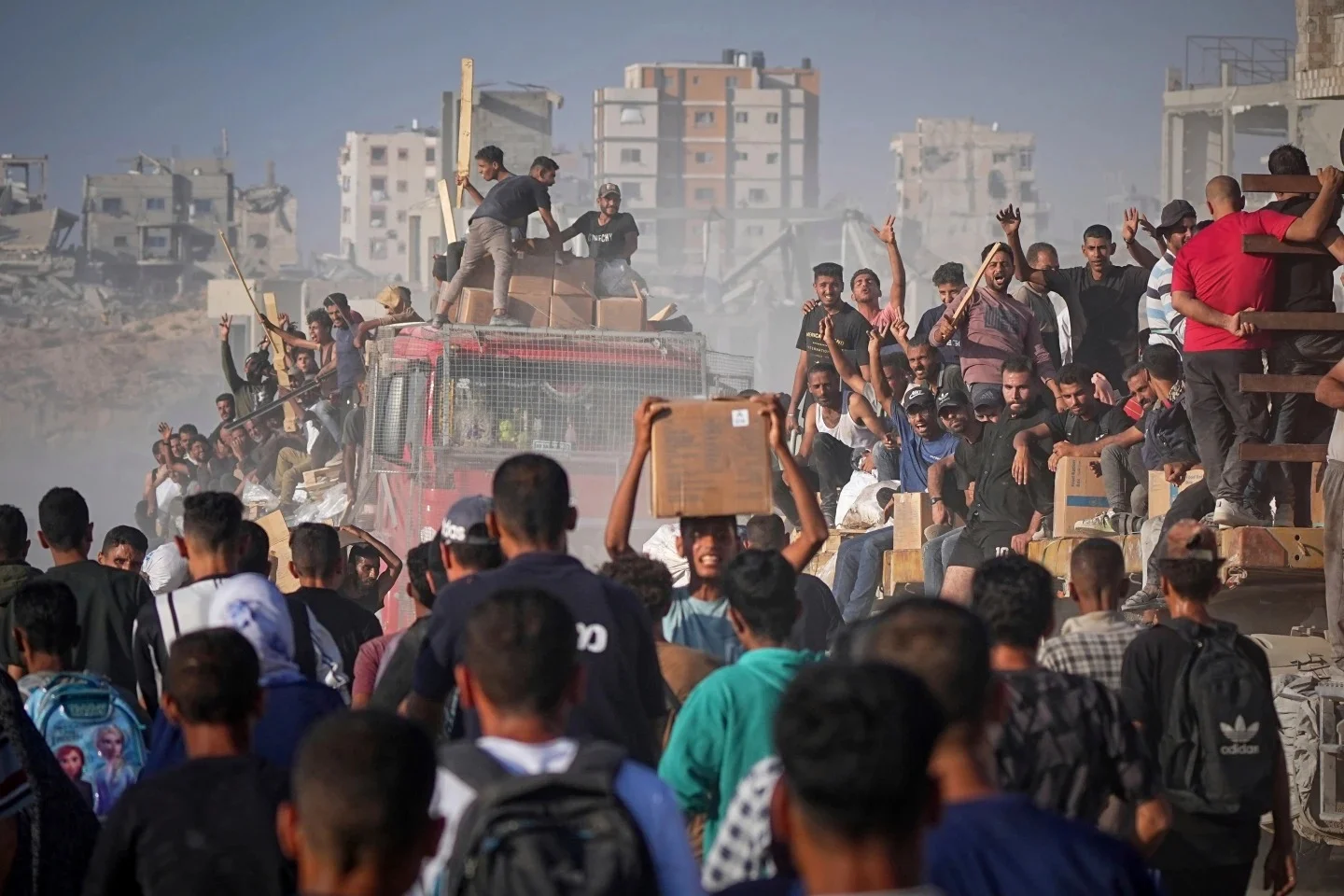
The United Nations’ World Food Program (WFP) announced on Tuesday that it is halving its food assistance operations in the Israeli-occupied West Bank. The move, driven by a severe shortage of funding, will see the number of beneficiaries drop from 400,000 to 200,000 starting this month. The agency further cautioned that additional reductions may be unavoidable in Gaza, where it currently supports 1.5 million people.
Claire Nevill, a WFP spokesperson for the Palestinian territories, noted that the agency has already begun reducing cash assistance values by 40% for 375,000 individuals in Gaza as of July. She confirmed that the organization is now forced to implement similar cutbacks in the West Bank. To maintain essential operations for the estimated 2 million food-insecure people across both regions over the next six months, the WFP stated it urgently requires an additional $386 million.
The agency’s country director, Shaun Hughes, described a dire situation where families who previously sustained themselves through their own land are now unable to afford basic sustenance. He explained that the WFP is being compelled to prioritize the most vulnerable households while withdrawing support from others. This decline in food security is attributed to a combination of economic downturns, increased settler violence, and land incursions that have stripped many residents of access to agricultural resources and livestock.
Data from the WFP indicates that 900,000 people in the West Bank are currently food insecure, with needs having more than doubled since 2023. Recent analysis shows that 76% of households in the area have suffered a significant drop in income, and one-third are unable to secure a nutritious diet as food and fuel prices remain among the highest in the Middle East. The southern West Bank and rural communities have been identified as the most severely affected regions.
Humanitarian conditions in Gaza remain equally precarious. While the Integrated Food Security Phase Classification noted in July that the situation had improved since the famine declarations of the previous year, conditions remain at crisis levels. Recent U.N. figures suggest that one in five families in Gaza are eating only one meal a day, and half have reported running out of food entirely at least once in the past month. In August, three-quarters of households struggled to access local markets.
Despite a ceasefire agreement between Israel and Hamas reached in October 2025, ongoing security restrictions and hostilities continue to obstruct recovery efforts. The U.N. reports that more than 2 million people have been displaced, with extensive damage to critical civilian infrastructure, including schools, hospitals, water facilities, and homes. During the August aid cycle, the WFP and its partners managed to distribute wheat flour and food parcels to over 600,000 people by moving supplies through the Kerem Shalom crossing.
Previously in July, the WFP had warned that donor fatigue and funding gaps could necessitate deeper cuts, stating at the time that $420 million was required to sustain operations through the end of the year. Nevill emphasized the irony of the current situation, noting that just as needs are escalating, the agency is forced to scale back its reach due to the lack of financial resources. The report also notes that “In Gaza we’ve already had to start reducing the amount of cash that we’re giving to around 75,000 families,” Claire Nevill, WFP spokesperson for the Palestinian territories, told The Associated Press on Tuesday. The report also notes that aid agencies say cash shortages and soaring food prices have made it increasingly difficult for families to obtain basic necessities.








Comments