
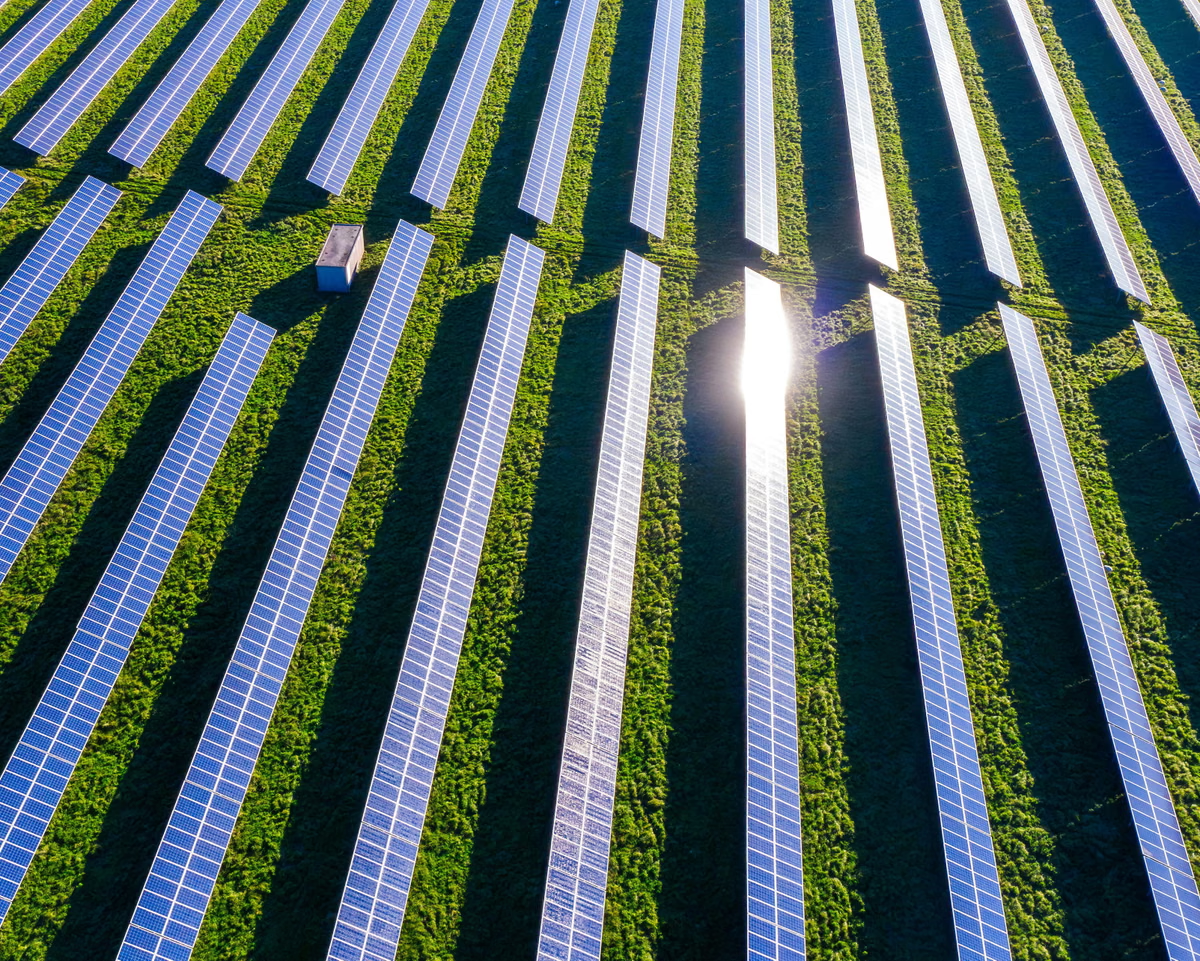
Great Britain is bracing for a potential electricity supply shortfall this Wednesday evening as a significant solar eclipse threatens to disrupt renewable energy generation. The government’s electricity grid operator has raised an official alarm, noting that the moon is set to obscure up to 95% of the sun in some regions, marking the most dramatic eclipse visible in the country since 1999.
The darkening of the skies is expected to wipe out between 300 megawatts and 1,100MW of solar power, just as the fifth heatwave of the summer raises demand for electricity to run air conditioning, fans and refrigeration systems. The National Energy System Operator (Neso) had first anticipated a shortfall of more than 1,700MW, according to a warning on Tuesday night, about the equivalent capacity of a solar farm the size of 8,500 football pitches. Under a second market notice issued on Wednesday morning, it said the shortfall remained about 1,200MW.
A spokesperson for Neso described the warning notice as a “routine tool” that signifies the operator is asking the energy market to make any additional capacity generators may have available. The organization added that the notice was a “precautionary measure to the market” because of the solar eclipse and emphasized there was “no risk to customer electricity supplies.” To resolve the shortfall, Neso is expected to make lucrative payments to energy generators to help fill the gap, costs which will eventually be covered through consumer energy bills.
The looming eclipse has caused electricity market prices to climb to highs last seen during the heatwave in late June, according to market analysts at LCP Delta, a consultancy and data provider. The price of electricity for Wednesday evening rose to more than £211.40 per megawatt-hour at 7pm, its highest level since 30 June. If market prices remain elevated throughout the day, this could lead to higher prices being offered to gas power plants to fill the shortfall in electricity supplies during the eclipse.
The power supply squeeze has prompted Britain’s biggest household electricity supplier, Octopus Energy, to encourage customers to avoid running energy-intensive appliances like washing machines and dishwashers between 6pm and 8pm on Wednesday to help save electricity. In return, the supplier is offering eligible customers a free hour of electricity to use on Sunday.
According to the supplier, if enough households delay using electricity for a short time during the eclipse, it could reduce the need for Great Britain’s electricity system operator to fire up extra gas-fired stations to replace the lost solar power. This coordinated effort aims to stabilize the grid during the rare celestial event while managing the peak demand caused by the ongoing summer heatwave.







Comments