Music residencies have evolved from a semi-retirement option for legacy performers into a premier choice for global superstars. Harry Styles recently wrapped up a 30-date residency at New York’s Madison Square Garden, drawing tens of thousands of fans before his October conclusion. This follows his successful 15-night stint at the same arena in 2022, highlighting the shift toward localized, multi-show engagements. When he performed 15 consecutive nights at the famous arena, the stint follows the artist’s 2022 blockbuster run. It is the can’t-miss event of the year: Tens of thousands have descended on New York City’s Madison Square Garden each night of his 30-date residency, rushing to catch the show before it concludes Halloween weekend, for Harry Styles’ dedicated audience. Part of a high-profile run that included a 2024 Super Bowl halftime show, r&B singer Usher hosted his popular “Usher: My Way The Vegas Residency” in 2022 and 2023.
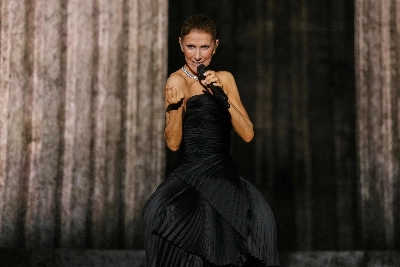
The concept is rooted in the 1960s Las Vegas tradition, where legends like Frank Sinatra and Tony Bennett performed multiple shows throughout the year at single venues. According to Mitch Rose, Creative Artists Agency’s head of North American touring, this model essentially defined the residency. However, the format underwent a significant transformation in the 2000s when Celine Dion revitalized the trend with her multi-year runs in Las Vegas. John Meglen, co-CEO of Concerts West, recalled that many initially doubted the strategy, which demanded 200 shows annually, but the success was undeniable; Dion’s efforts grossed $681.3 million across 1,141 performances over 16 years. Celine Dion, who holds the record for the highest-grossing residency in Vegas, recently embarked on one just outside Paris. It’s her first concert series since revealing her diagnosis with stiff-person syndrome. John Meglen, co CEO of Concerts West, was instrumental in both the Vegas residencies and the one in France. “Most people thought we were crazy,” he said, noting the expense. “It was 200 shows a year, 40 weeks a year.
Modern residencies have expanded beyond the traditional Vegas strip to reach wider audiences. Adele held a 10-date residency in Munich in 2024, while Bad Bunny’s 31-date engagement in Puerto Rico last year generated over $200 million, providing a massive boost to the local economy. Other stars, including Usher, Katy Perry, and Lady Gaga, have adopted the model to bridge the gap between their global fanbases and professional consistency. At the time, he told The Associated Press that part of the appeal was the consistency.
Artists are increasingly citing the benefits of staying in one place. Usher noted that the residency format allows him to settle down and maintain a personal life. From a technical and logistics perspective, the model is highly efficient; it eliminates the constant expense of transporting large-scale equipment, personnel, and sets across the globe. Industry experts emphasize that avoiding the physical toll of constant travel serves as a form of mental healthcare for performers, allowing them to deliver more stable, high-quality shows. And he’s not the only one embracing the format.
The rise of high-tech venues, such as the 516-foot-wide Sphere in Las Vegas, has further incentivized artists to commit to residencies. These locations offer advanced LED technology and custom setups that would be impossible to replicate on a standard traveling tour. Carín León, who in 2026 became the first Latino artist to perform a residency at the Sphere, described the venue as the perfect tool for creative expression. With its state-of-the-art technological attractions and high-resolution LED screen that wraps halfway around a 17,500-seat audience, nowhere is that more clear than at the 516-foot-wide Sphere in Las Vegas.
While fans may face varying ticket prices—ranging from under $100 to $1,000 for events like those at Madison Square Garden—the industry increasingly treats these residencies as destination experiences similar to major music festivals. Events often feature pop-up shops and organized fan meetups, cementing their status as cultural milestones for dedicated audiences, even as critics debate whether the format unfairly shifts travel costs to the fans. Despite arguments that the format may shift costs to fans who could save money attending a tour in their hometown rather than spending the cash on travel, industry insiders and artists alike say there are many reasons why residencies have taken hold in the music business. According to rose, Attendees treat them like festivals: destination experiences. “Think of Coachella,” he says. “People from all around the world come to the desert mid-April to share an experience.