
Fifa has reversed its controversial decision to sell a minority stake in the World Cup following intense backlash. The proposal triggered threats of boycotts and calls for the resignation of Fifa president Gianni Infantino, forcing the governing body to abandon the project.
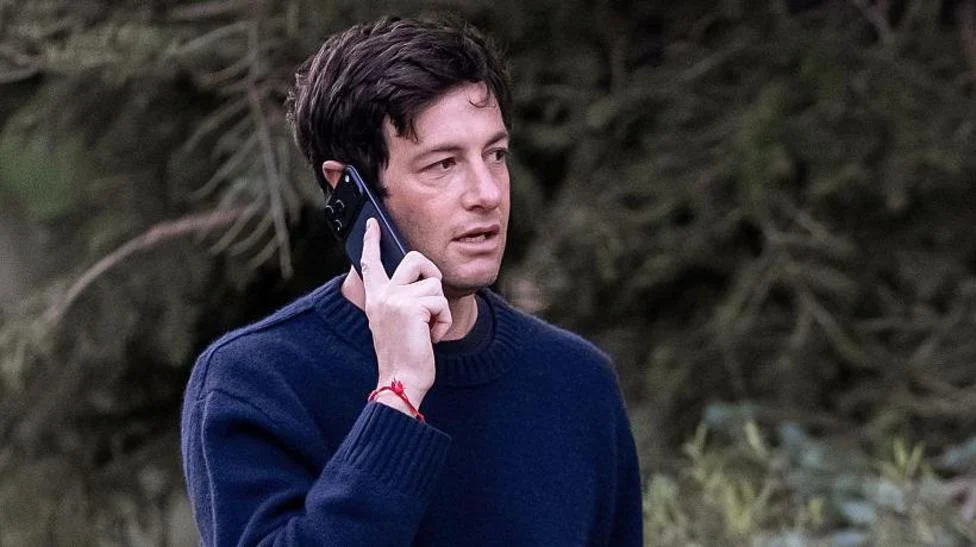
The plan was spearheaded by Thrive Eternal, an investment arm of the venture capital firm Thrive Capital, led by Joshua Kushner. Thrive Capital is a major backer of OpenAI and primarily focuses on artificial intelligence. However, in April, the New York-based firm launched Thrive Eternal specifically to target sectors possessing “qualities that cannot be replicated by technology.”
Investors viewed the World Cup as a prime opportunity under this new strategy. The core thesis is that while AI may disrupt entertainment sectors like music and film, football remains protected by its deep-rooted traditions, cultural significance, and identity. Consequently, these investors believe that sport will not only withstand the AI revolution but will continue to increase in value.
Professor Simon Chadwick, a veteran of the global sports industry with 30 years of experience working with fan groups, clubs, and governing bodies like Fifa and Uefa, noted that the move reflects a broader shift in power. He observed that many decisions regarding the future of football and its fans are now being driven by interests “in Wall Street and Silicon Valley.”
“It is almost as though it’s crept up on us and a lot of people haven’t really thought about what’s happening,” Chadwick told the. He emphasized that the situation raises significant governance questions for Fifa regarding the influence of outside capital.
Despite the collapse of this specific deal, Chadwick suggested that such commercial pressures are likely to persist. “Whether people like it or not, private equity investment in sport is happening,” he stated, highlighting the ongoing tension between traditional sports governance and the influx of global financial interests.





Comments