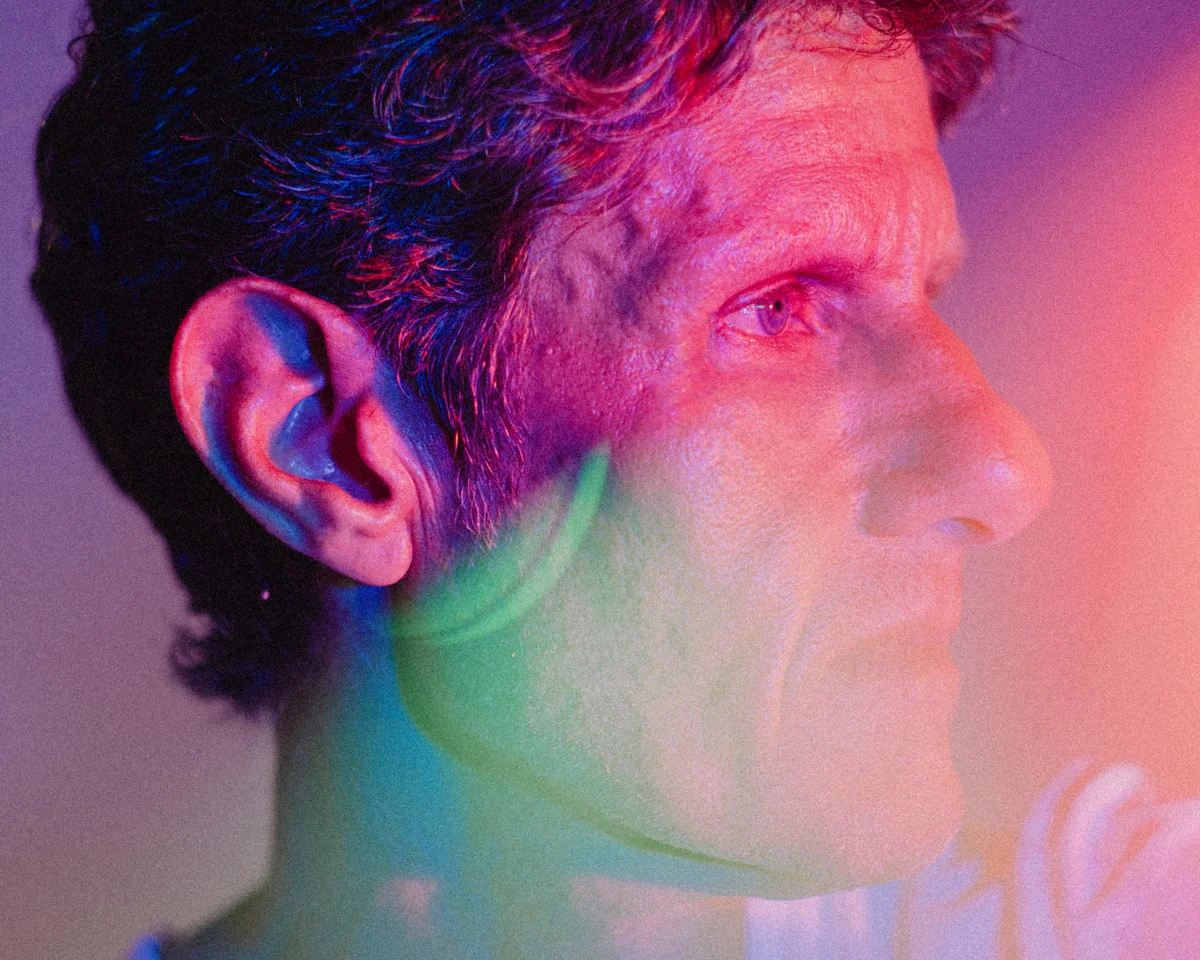
“It’s funny how far a joke will get you,” Michael Diamond says with a grin. Four decades ago, the New York rapper known as Mike D was in the studio with his school friends Adam “MCA” Yauch and Adam “Ad-Rock” Horovitz, crafting their 1986 debut, Licensed to Ill. That record, a cartoonish parody of frat-bro culture built on a foundation of hard rock riffs and hip-hop beats, propelled the trio to global stardom. It secured them a place in music history as the first rap act to top the US charts and placed them in the crosshairs of the British tabloids as they encouraged a generation to “fight for your right to party.”
The Beastie Boys eventually transformed into one of the most socially and musically progressive groups of their era. They released a succession of boundary-pushing albums that explored spirituality and politics before disbanding in 2012, following Yauch’s death from cancer. Since then, Diamond has focused on production work for artists like The Hives and Soft Play, while his sons, Skylar and Davis, have pursued their own musical careers as the indie pop duo Very Nice Person. Now 60, Diamond appears at ease in this quieter phase of his life, though a series of home-studio jams with his sons has reignited his creative spark, leading to his debut solo album, Thank You, which arrives on 28 August.
Reflecting on their origins in New York City in 1981, Diamond notes that all three members came from middle-class, artsy backgrounds—his father was an art dealer and his mother an interior decorator. Seeking distinct personas, they drew inspiration from teen comedies like the 1979 film Meatballs to create the beer-swilling, rebellious characters heard on their debut. “When you’re 19, you’re just spewing out whatever,” Diamond explains. “You haven’t faced a major reaction yet.”
That reaction arrived with force during their 1987 UK tour, which sparked a moral panic reminiscent of the Sex Pistols. Faced with headlines like “Get Lost Beasties” in the Mirror and calls from MPs to ban them, the group dealt with accusations of mocking sick children at the Montreux pop festival—claims they immediately denied. Their Liverpool performance was cut short after 12 minutes, ending in a riot. Diamond describes that period as “terrifying, humbling, alienating and surreal,” noting that it was a “lightbulb moment” where he realized their words had a genuine impact on people.
The fallout nearly broke the band. Beyond the public backlash, they faced a royalty dispute with their label, Def Jam, and Horovitz relocated to Los Angeles. However, the group found a new creative path through Horovitz’s connection to the Dust Brothers, masters of digital sampling. This collaboration allowed them to create the experimental masterpiece Paul’s Boutique in 1989. Diamond recalls the process as a dream, noting, “We could have an old blues guitarist with a funk drumbeat and a jazz trumpet. We could create these endless possibilities, this musical collage.”
Over the following decades, the trio evolved from delivering punchlines like “You like men and we like beers” to becoming figures of social advocacy. As mainstream rap grew more toxic in the 90s, the Beastie Boys moved in the opposite direction, apologizing for past lyrics and promoting messages of respect for women, anti-homophobia, and the power of love. Diamond views this shift with pride, noting that while they were “just a rap group,” he hopes they influenced how people thought. He maintains that comedy and music remain essential partners for humanity.
His new album, Thank You, continues this tradition of social consciousness and eclectic experimentation, blending industrial, psych, and dream-pop influences. However, the creative process was deeply colored by the loss of his bandmate. “After Yauch died, I couldn’t make music for quite a while,” Diamond admits. “I’d open a computer file, and I’d just feel sadness.” His return to the microphone was a gradual, liberating process fueled by playing with his sons. He began writing lyrics that were more honest about his internal state, finding that being open about his feelings was a necessary step.
Mortality is a central theme on the record, particularly on the track “It’s Time,” where he addresses his desire to accomplish his remaining goals. For Diamond, the death of his friend brought up long-buried grief. He reflects on the high mortality rate in the New York scene they grew up in, noting the impact of the AIDS crisis and the loss of his own father when he was 15. “Part of ageing is this thing of your own mortality,” he says. “You can push it away and ignore it, or acknowledge it and feel what you’re feeling.”
The album’s title was inspired by a visit to a Buddhist monastery—the faith practiced by Yauch—which encouraged him to reflect on his journey. The closing title track offers an impressionistic look at his youth, capturing the energy of his early years. “I’m so grateful for all of this,” he says, smiling. “This combination of your social group, your passion, coming of age, and music all stirred up together.” The report also notes that the New York rapper known as Mike D was working with schoolfriends Adam “MCA” Yauch and Adam “Ad-Rock” Horovitz on Licensed to Ill, their 1986 debut album as the Beastie Boys, this time 40 years ago. The report also notes that happily munching cereal between questions, the wiry, thoughtful 60-year-old seems content in this quieter chapter of his career, sitting in the lounge of his London hotel. The report also notes that and took inspiration from teen comedies such as 1979’s Meatballs, the group quickly decided “we had to have our own personas that were distinct and separate”. The report also notes that shows featuring a giant inflatable penis and go-go dancers in cages, and tabloids circulating (instantly denied) rumours about them mocking sick children at Montreux pop festival, their 1987 UK tour stirred a Sex Pistols-style moral panic, with an album strewn with sexist and homophobic jokes. The report also notes that “We could create these endless possibilities, this musical collage.” That collage was made into their second album, 1989’s Paul’s Boutique, a left turn that received a muted critical reception but has since been hailed as an experimental masterpiece. The report also notes that the band went the other way and apologised for past lyrics, declaring “the disrespect to women has got to be through”, (Sure Shot); “homophobics ain’t all right” (Alive); and “love can conquer hate in every situation” (Bodhisattva Vow), as mainstream rap largely grew more toxic through the 1990s.