
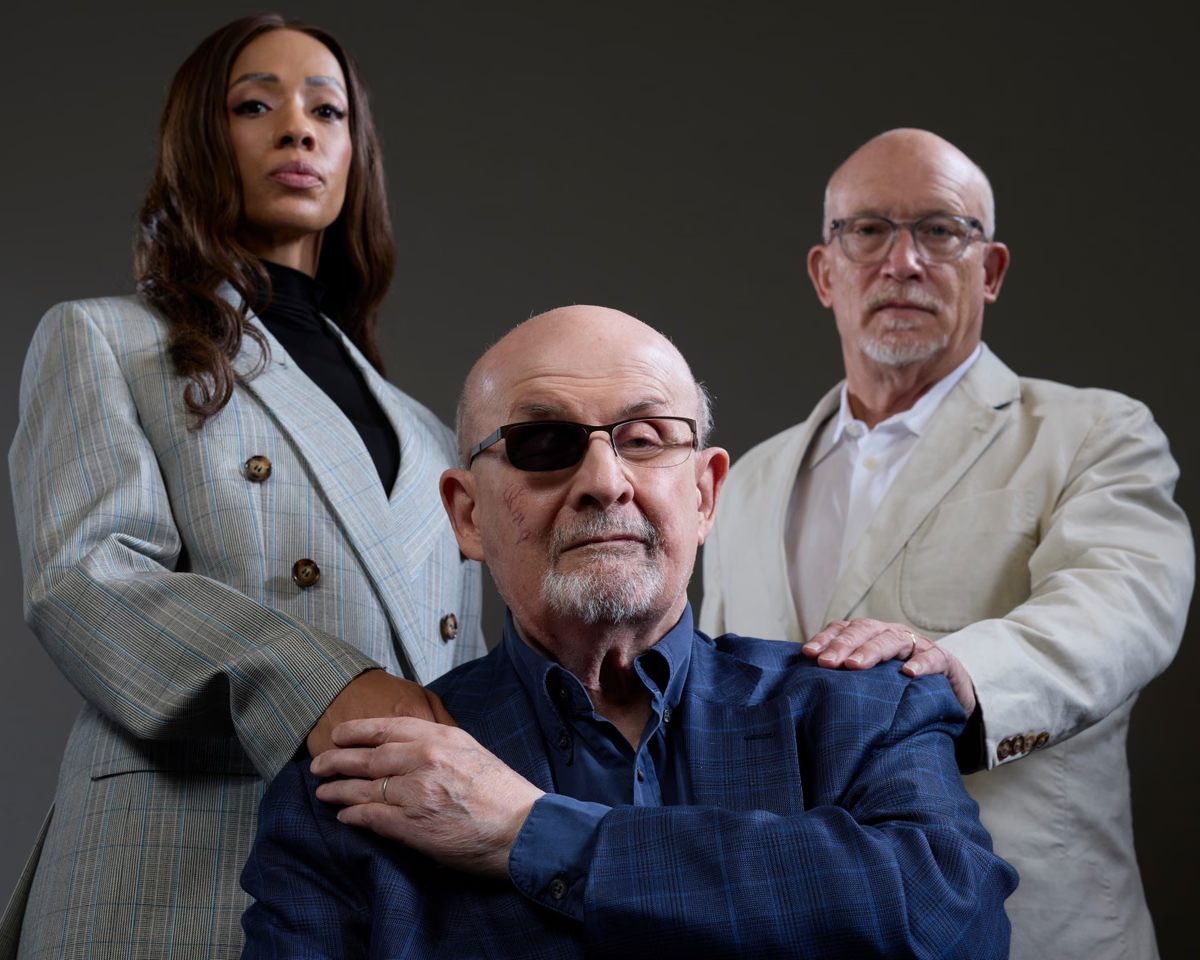
When Rachel Eliza Griffiths received a frantic phone call on an August morning in 2022, the poet and photographer was simply starting her day at home in New York with a cup of coffee. The caller revealed that the man she had married just a year earlier—who had left the night before for a speaking engagement nearly 400 miles away—had been seriously injured. Rushing to charter a plane to his hospital, she arrived not knowing if he was alive, marking the beginning of a long and harrowing period of uncertainty.
Griffiths, who works under her full name Rachel Eliza Griffiths, soon began documenting her husband’s treatment and recovery through a video diary. She recalls that one of her primary intentions was to use a professional camera rather than just a phone to record these moments. Receiving that camera box in the mail was an emotional turning point, she explained, as it allowed her to reconnect with her identity as an artist and regain a sense of self amidst the crisis.
Now, these private recordings have been woven into an unflinching documentary titled Knife: The Attempted Murder of Salman Rushdie. The film also features archival footage capturing the intense period following the 1989 fatwa issued by Iran’s supreme leader, Ayatollah Ruhollah Khomeini, which demanded the execution of the 41-year-old author. That decree forced Rushdie into hiding under armed guard for nine years, setting a precedent for the threats that would follow him for decades.
The documentary creates a stark contrast between two distinct timeframes: the visceral, modern-day reality of Rushdie’s medical recovery, including footage of him receiving stitches and staples, and the historical archives of the global reaction to his writing. The film highlights the widespread violence that erupted at the time, including the firebombing of the Riverdale Press in the US, fatal riots in Pakistan, and the stabbing deaths of translators in Japan and Italy.
Directed by Oscar-winning filmmaker Alex Gibney, the documentary aims to move beyond a simple narrative of victimhood. Gibney, who describes his role as that of a curator, noted that he initially tried to secure an interview in jail with the man responsible for the attack, but was unsuccessful. Rushdie himself was initially skeptical about revisiting the past in this manner, often describing his attacker as “just one crazy kid” rather than part of a broader, systemic movement. He has frequently maintained a desire to be defined by his literary contributions rather than the political opportunism of his adversaries.
Despite his reluctance to dwell on the event, Rushdie acknowledges that the threat of violence had been a lingering shadow for years. He previously expressed frustration during a 2019 Guardian-hosted event in Oxford regarding the necessity of security, complaining about the presence of plainclothes officers at his talk. Looking back at the lack of security at the Chautauqua institution, where the attack occurred, he now questions the naivety of the venue’s safety protocols.
The film incorporates insights from the couple’s shared experiences, reflecting on the period they navigated together. While they kept their relationship private, their combined memoirs—Rushdie’s 2024 book Knife and Griffiths’ The Flower Bearers, published earlier this year—provide further depth to the timeline. Griffiths notes that she only began viewing the diary footage once they were home, eventually realizing the documentary potential of the material as they watched it together.
For Gibney, the project was intended to serve as a healing narrative, drawing stylistic inspiration from Dennis Potter’s The Singing Detective to explore the intersection of personal physical trauma and public life. He emphasized that showing the reality of the aftermath was crucial, even if it caused the subject some discomfort. The film stands as a testament to their survival, with the couple remaining firm against the various forces that have sought to stifle free expression throughout their lives. The report also notes that who told her the man she had married just a year earlier, and who had set off the previous night for a speaking engagement nearly 400 miles away, had been hurt. “What kind of hurt?” she panicked, she answered it to a frantic friend. The report also notes that she was assaulted by blurry images of chaos on stage as audience members surged to the rescue, turning on the television. The report also notes that but Eliza had bigger ideas.”, by which I meant something very modest: maybe she would take a picture of me on her iPhone every couple of days just to document the recovery. The report also notes that even just 24 hours ago, was being returned to me, the person I used to be. The report also notes that it was giving both of us this permission to continue to be artists and tell our stories together.”. The report also notes that as the memories rush out, griffiths is warm and animated. The report also notes that smartly turned out, with only a black lens over his right eye to attest to the horrific injuries he suffered, rushdie is more reserved and sardonic. The report also notes that or the murderous hatred that roars out from news headlines in the months and years following the fatwa, it is hard to say which time zone of the film is more viscerally shocking: the grisly footage of Rushdie being stitched and stapled back together in 2022.

Comments