
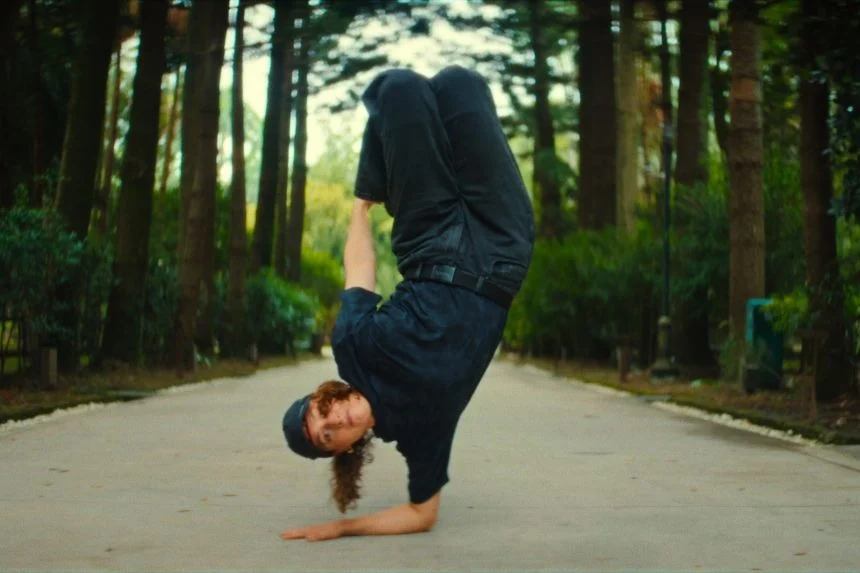
Two years after her unconventional breakdancing routine at the Paris Olympics became a global sensation, Australian competitor Rachael Gunn—better known as Raygun—is speaking openly about the mental health journey that helped her find peace. Gunn, who faced intense public ridicule following her performance, describes the experience as a period of extreme, surreal pressure that left her feeling as though she were sinking into a dark pit.
A new Netflix documentary, “Untold Raygun: Breaking Badly,” set to debut on September 1, explores the events surrounding her Olympic appearance. The film details her unique path to qualifying, the intense toll of her viral infamy, and the subsequent backlash that included baseless conspiracy theories regarding her and her husband, coach Samuel Free. Reflecting on the aftermath from her home in Sydney, Gunn admits that while the experience felt like a “slow-motion car crash” at the time, she stands by her decision to showcase her own creative, if unconventional, style.
Gunn’s performance, which featured moves inspired by Australian icons like the kangaroo and the sprinkler, resulted in an 18-0 loss across all three rounds. The backlash was swift and pervasive, drawing commentary from figures like Joe Rogan and features on shows like “The Tonight Show,” where she was parodied by Rachel Dratch. Adele even paused a concert to address the situation. Gunn notes that while the internet response was harsh, her interactions in person remain significantly different.
Addressing the documentary, Gunn explains that she finally possesses the distance necessary to process the event. She spent considerable time focusing on her mental health, experimenting with mindfulness and meditation before finding more effective strategies. “For me, it’s more about radical acceptance of everything that’s happened and just one foot in front of the other, just trying to move ahead,” she stated. She emphasizes that she learned to focus on what she could control, specifically her own reactions, rather than the unchecked noise of social media.
The documentary also provides a platform for other Australian B-girls to express their perspectives, with some, such as the dancer Flix, sharing that they felt genuinely offended by Gunn’s routine. Gunn acknowledges that her approach to breaking—which she started later in life—differed substantially from the styles of her peers. She hopes the film will encourage broader conversations about the sport of breaking itself, noting, “One thing in this documentary is that there’s so much more to be said about breaking.”
Reflecting on her decision to compete, Gunn maintains that the Games were an important experience that she does not regret, despite the outcome. She mentions that watching the documentary helped her gain a new perspective, noting that with time, the performance felt less raw. “Paris is now just a part of my story,” she said. “I can’t just be a meme.” Ultimately, Gunn expresses a desire for society to be more mindful of the impact that viral clicks and commentary have on real people, urging a deeper reflection on how the internet consumes and discards individuals. The report also notes that according to the Australian breakdancer Raygun, even ones inflicted by strangers online when you suddenly find yourself the subject of global mockery, time heals all wounds. The report also notes that competing in Paris against three others, Gunn tried to flex her creativity by showcasing moves that paid homage to her home country, including a sprinkler dance (invented in Australia ) and a kangaroo hop. The report also notes that soon, she was discussed on TMZ and Joe Rogan’s podcast. The report also notes that ahead of the documentary’s release, Gunn spoke about her online rollercoaster, the criticism she’s received from other dancers and why she thinks her gender made her a victim of extra scrutiny. The report also notes that the interview has been edited and condensed for clarity. The report also notes that competing at the Olympics is usually one of the greatest days of their lives, for many athletes.







Comments