
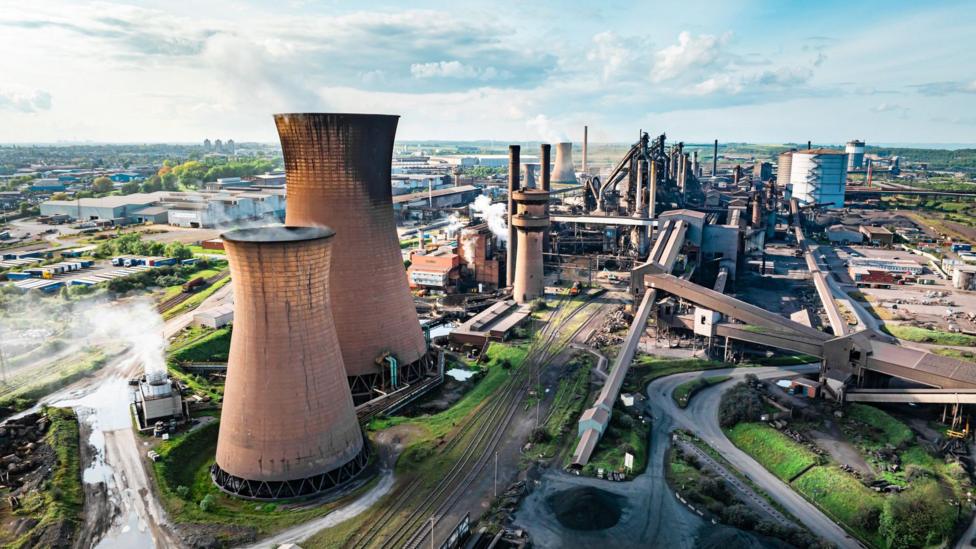
The Public Accounts Committee (PAC) has issued a critical report claiming the government lacks a credible plan for the future of British Steel. The firm, which operates a primary site in Scunthorpe and further facilities in Teesside, was moved into public ownership this past July after years of instability. The committee argues that the Department for Business, Innovation, Science and Trade (DBIST) has failed to provide a clear roadmap for how the business can achieve long-term profitability.
Economic projections surrounding the nationalization remain opaque, according to the 26-page report. While the government initially estimated costs would reach £642m by June 30, it later revised that figure downward to £555m, drawing criticism from MPs over the lack of transparency in budget forecasting. The state took control of the company following an emergency bill passed in April last year, aimed at preventing the former owner, Jingye, from shuttering blast furnaces at the Scunthorpe plant.
A central pillar of the government’s current approach is its steel strategy published in March. This initiative includes an aspiration for half of all steel utilized within the UK to be domestically produced. However, the PAC report highlights that the government has remained vague regarding the timeline for hitting this 50% target. Furthermore, the strategy leans on electric arc furnaces as the future of the industry, replacing traditional blast furnaces, a transition that has already triggered job losses at locations such as Port Talbot.
Legislators are also concerned about the welfare of the 4,052 staff members currently facing persistent uncertainty. The PAC report warns that without a concrete, long-term operational plan, the financial burden on taxpayers and the instability for the workforce will only continue to grow. According to the committee, “without a credible long-term plan, uncertainty and costs for workers, industry and taxpayers will continue to increase.”
Controversy also surrounds the government’s recent tariff adjustments, designed to protect domestic producers. As of July, Britain cut the tariff-free import quota by 51% in a bid to prevent the country from becoming a “global dumping ground” for surplus steel. Additionally, import taxes on specific steel categories were doubled from 25% to 50%. Businesses have signaled that these tariffs apply to essential materials that cannot currently be sourced domestically.
The PAC warned that this policy risks forcing manufacturers to pay levies on goods they cannot avoid importing. MPs cautioned that these increased costs could drive smaller businesses into insolvency or compel companies to relocate production facilities overseas. Consequently, the committee has urged the government to establish a “formal route” through which steel firms can challenge or discuss issues arising from the new tariff regime.
Responding to the findings, a spokesperson for DBIST stated that the government welcomes the committee’s report and intends to review its recommendations. The spokesperson reaffirmed that securing the long-term future of the UK steel sector “was in the national interest.” They added that the department remains focused on balancing taxpayer value with the need to build a competitive, sustainable, and decarbonized steel industry, while continuing to support the communities reliant on these sites. The report also notes that external, The report also notes that however, firms said that some steels that they need would be affected by the tariffs, but are not able to be bought from the UK.








Comments