
A critical software defect in the systems managing UK airspace has been identified as the root cause of the major travel chaos experienced earlier this month. The UK’s national air traffic service, Nats, confirmed that the glitch occurred within a single millisecond, resulting in the generation of corrupted data that disrupted flight operations across the country.
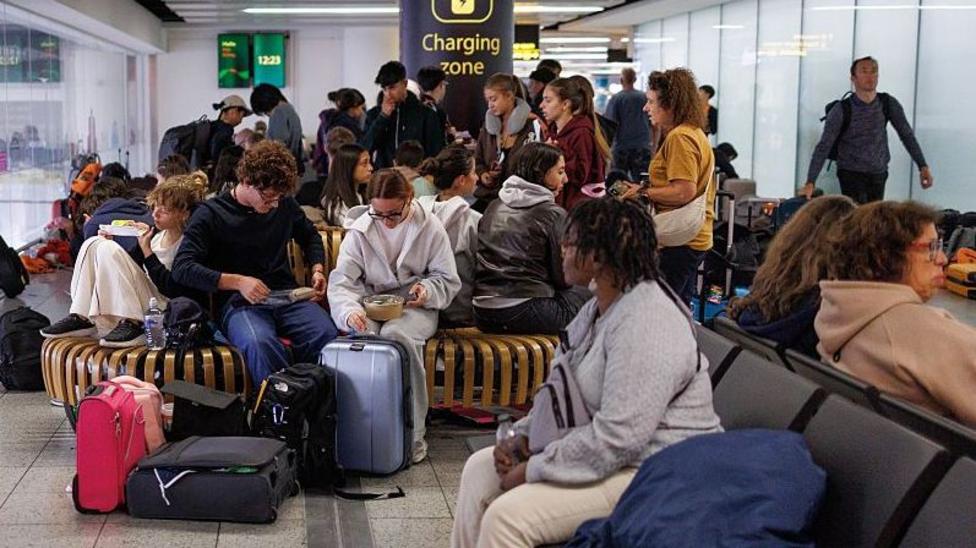
The disruption necessitated the cancellation of more than 2,000 flights, impacting hundreds of thousands of travelers. Many passengers faced severe distress, with some forced to sleep on airport terminal floors or becoming stranded in foreign countries for extended periods. Major hubs including Heathrow, Gatwick, Luton, and Glasgow were among those affected, and the backlog caused by displaced crews and aircraft took several days to clear.
Nats Chief Executive Martin Rolfe issued a sincere apology to those affected, emphasizing that the organization remains devastated by the service failure. However, he maintained that the primary objective of keeping the skies safe was upheld throughout the incident, stating that safety was never compromised at any point.
Government officials have launched a formal review into the event, with Transport Secretary Heidi Alexander labeling the situation completely unacceptable. She stressed that authorities must understand why the defect was not identified and mitigated before it escalated, noting that a Civil Aviation Authority investigation is currently underway.
Earlier speculation regarding the source of the outage has been addressed, with the government confirming it was not a cyber attack. The Ministry of Defence also refuted claims that military aircraft were responsible for the system failure. Despite the technical explanation provided, there remains significant public frustration regarding the lack of compensation for affected passengers. Regulatory bodies have classified the outage as an extraordinary event, generally exempting airlines from standard compensation requirements.
The human cost of the disruption was illustrated by the experience of 26-year-old traveler Addie Kitson, whose flight from China to the UK was diverted to Sweden. After being held on the tarmac for several hours, she spent 19 hours stranded inside Stockholm airport. Kitson reported receiving only a single £11 food voucher that failed to cover basic costs, eventually forcing her to spend nearly £100 on necessities and connectivity to continue working remotely. She questioned the fairness of the extraordinary event classification, noting that such operational issues have occurred on multiple occasions in the past. The report also notes that and about the fact that they are unlikely to be entitled to compensation because the regulator judges the situation was extraordinary circumstances, there has also been anger from passengers about how much support they got from airlines. The report also notes that the disruption took days to completely resolve because of the number of planes and crew left out of place. The report also notes that external, Nats said the defect happened in the system which “underpins the management of UK airspace”, in an initial report. The report also notes that very sincerely, to everyone who was affected last week, martin Rolfe said: “I would like to apologise again. The report also notes that quickly and without delay and we are devastated when that goes wrong, it’s our job to get people where they want to go.






Comments