
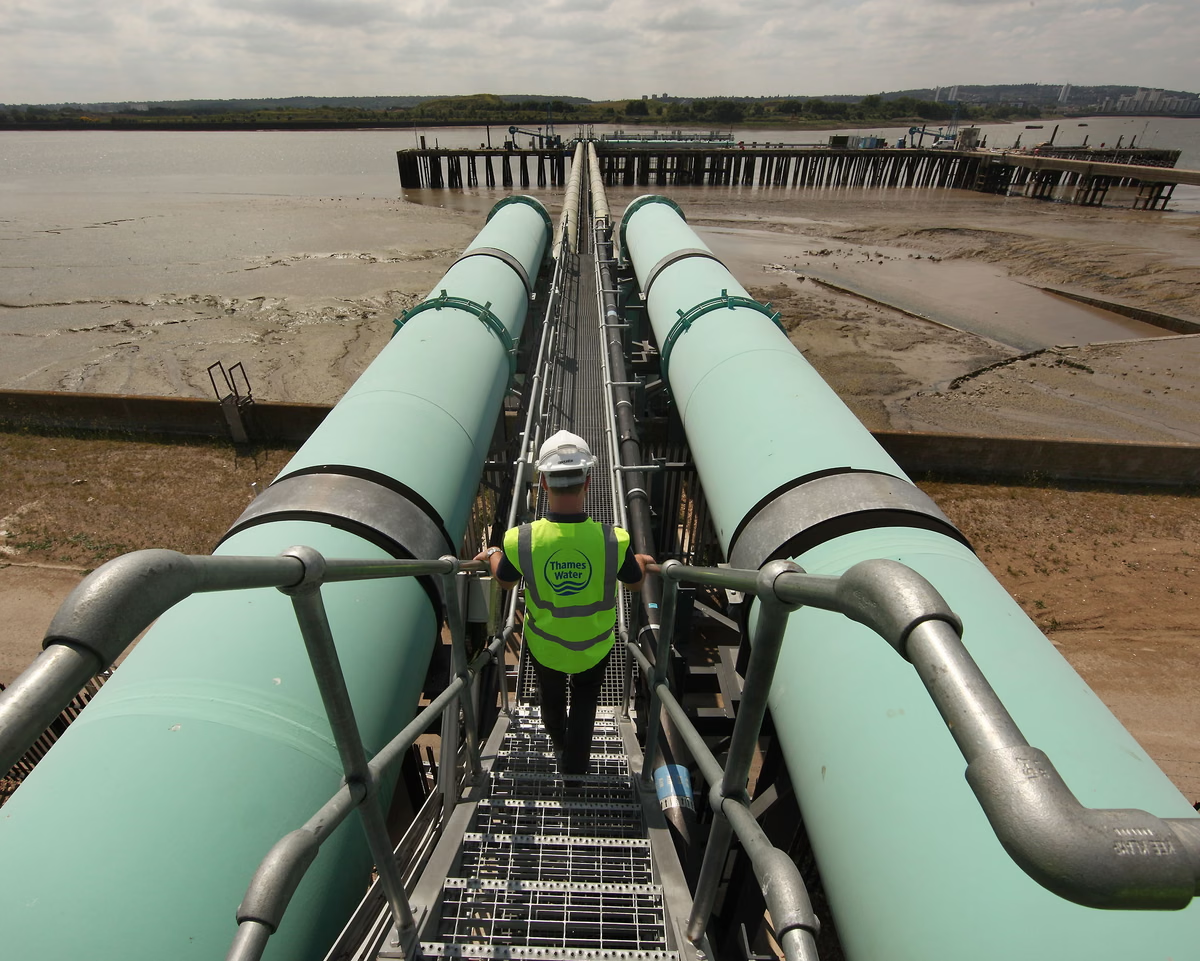
Thames Water is preparing to restart its desalination plant in Beckton, east London, aiming to bring the facility online by the end of the year. The utility company, which serves 16 million customers across London and the Thames valley, intends to use the plant to bolster reservoir supplies throughout the winter in preparation for next summer.
The Beckton facility has a history of limited utility, having operated only five times since its full opening in 2011. Over the past 15 years, it has produced just 7.2 billion litres of drinking water, an amount equivalent to roughly seven days of the capital’s total daily demand. Originally installed at an initial cost of £270 million, the plant’s total cost is now estimated at £500 million, representing a minimal return for the customers who funded the project through their water bills.
A Thames Water spokesperson confirmed that preparations are currently underway at the Thames Gateway water treatment works. The company noted that any decision to utilize the plant will depend on weather conditions, demand, and reservoir levels in the coming weeks. While desalination is a common practice for water production in the Middle East, the Beckton site has frequently been described as a white elephant due to its persistent operational failures.
The company’s management of the drought is currently under intense scrutiny. Prime Minister Andy Burnham is expected to make a decision regarding the future of Thames Water in the near future. On Thursday, Burnham expressed significant frustration, stating that water customers should not be viewed as a bottomless source of funding, particularly after 13 water companies were granted permission to raise bills to finance additional infrastructure projects. Thames Water is among five companies authorized to increase customer bills over the next four years.
Financial viability remains a major hurdle for the plant, as high electricity costs make its operation expensive. Thames Water is currently facing severe financial pressure, with creditors effectively controlling the business for the past two years while seeking government concessions on pollution fines. Operating the plant during cooler months may be more feasible if wind power availability reduces electricity prices and eases grid strain.
Chris Weston, the chief executive of Thames Water, admitted to MPs on the environment committee last year that the plant faces serious technical challenges. He stated that engineers are working hard to resolve these issues, but acknowledged the difficulty of maintaining the facility. The plant relies on specialized membranes to filter salt from seawater, which Weston noted had reached the end of their operational life last year. The company struggled to replace them due to a lack of suitable testing facilities for new components.
Reflecting on the investment, Weston candidly remarked, “The desalination plant is a big problem for us. I wonder why it was built in the first place. It is not a good story, it was not a good investment, and there are no excuses about it.”
Lawmakers have repeatedly expressed frustration that the plant has failed to provide a reliable source of drinking water during periods of extreme heat. As the UK deals with the impacts of a fifth heatwave and ongoing drought conditions, the utility company faces mounting pressure to demonstrate that its infrastructure can deliver the services for which customers have paid. The report also notes that however, for the past 15 years it has barely operated. The report also notes that with much of the country enduring a fifth heatwave that is worsening drought conditions, water companies across the UK have imposed hosepipe bans as they try to conserve supplies.









Comments