Interest rates have reached 4% following a recent Bank of England decision, with expectations pointing toward at least one more increase early next year. Policy committee members remain divided on the scale and frequency of future adjustments, though. Three officials have suggested multiple further hikes, and one member even advocated for a double increase to 4.25%. Three of the nine voting members referred to “rises” plural. But should not be seen as the start of a cycle of hikes, it is painful for those on variable mortgages.
Faisal Islam, economics editor, suggests the most probable scenario is a single additional rise in February before the bank pauses its cycle of tightening. This outlook remains conditional, however, as forecasting interest rates currently resembles an exercise in volatility, heavily influenced by shifting geopolitical factors and economic indicators that fluctuate daily.
Inflation remains a pressing concern, with Bank of England forecasts projecting it will settle just under 5% by next spring. Households are bracing for a 27% surge in average energy bills this January, which will push annual costs to 2,150 pounds. Officials raised rates now to prevent a cycle of self-fulfilling inflation, though there is little evidence that such a trend has taken root thus far.
External pressures, particularly the Iran War, have persisted for nine months and were factored into projections assuming oil prices would average 108 dollars per barrel. Market data currently contradicts this, showing oil prices roughly 13% lower than that baseline. This decline follows the US midterm elections, where market participants interpreted the Democratic victory as a signal that the administration might deescalate regional tensions. And led to oil prices used in the forecast averaging $108 a barrel, the war has lasted for 9 months. The oil price is actually 13% lower than that having fallen in the run up and after the US mid term elections, reflecting expectations or guesses that President Trump, and yet on the day they have announced the rate rise.
The UK economy has shown surprising resilience, performing better than initial forecasts. Growth reached 0.6% and 0.5% in the first two quarters of the year, with a projected 0.7% expansion between July and September before a anticipated slowdown toward the year’s end. Furthermore, the labor market has held steady, with unemployment rates showing signs of stabilization or slight decline.
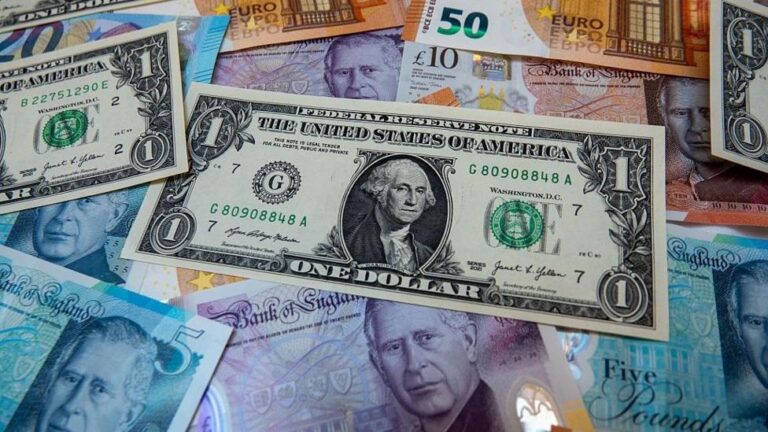
The British pound has strengthened against a basket of currencies to its highest level since the Brexit referendum, a development that may assist in curbing inflation by lowering import costs. While these economic signals offer some optimism, the path ahead remains uncertain. The Bank of England must now determine whether the political shifts in the United States will sufficiently mitigate inflationary waves, allowing them to limit further rate increases beyond the expected February move.