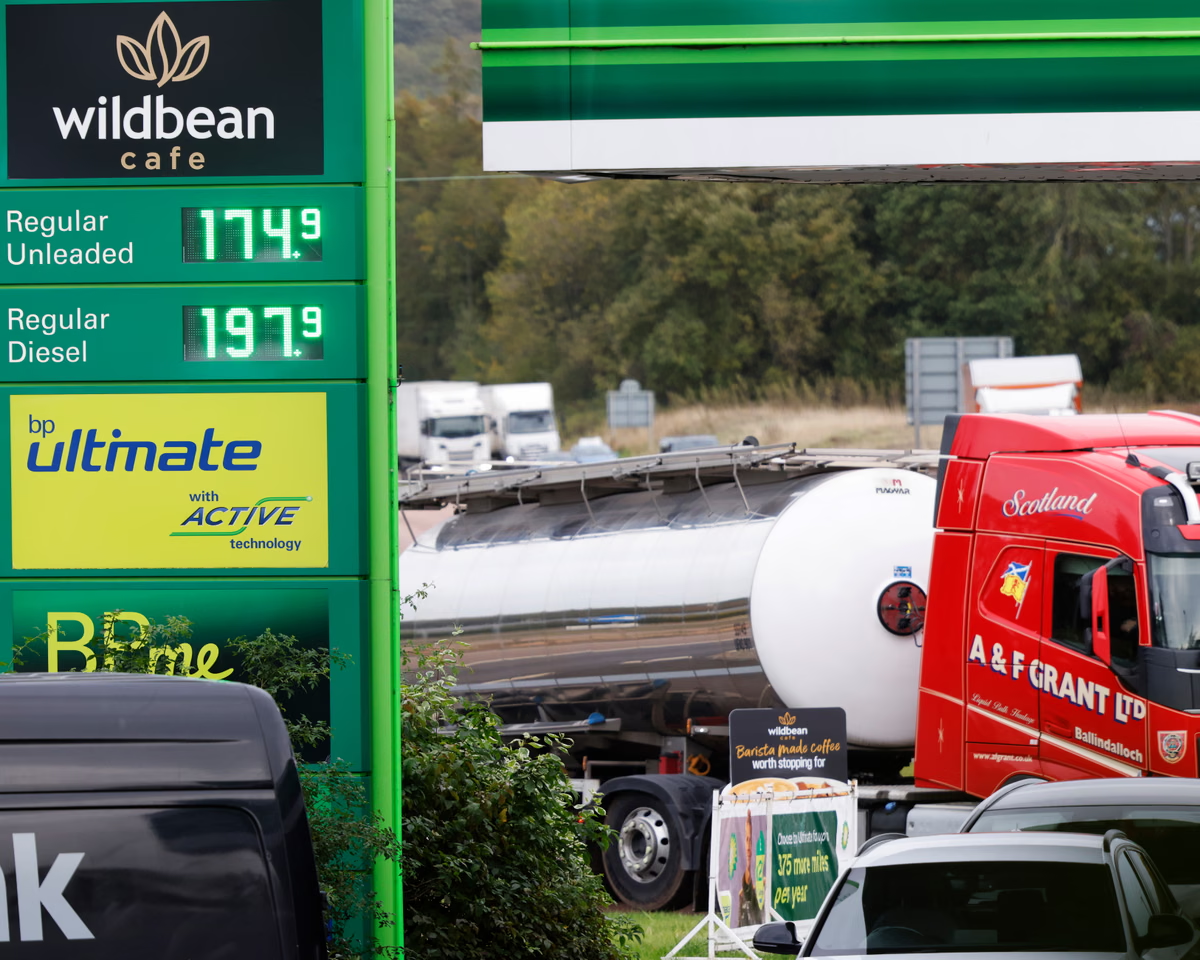
Households across the UK are facing a significant increase in energy expenses, with typical annual gas and electricity bills projected to jump by £443 starting in January. This 26% surge is anticipated as the national inflation rate climbed to its highest level in a year, reaching 3.6% for the year ending in October, up from 3.5% in September. Official figures suggest this increase is primarily driven by rising costs for petrol and diesel. According to consultancy Cornwall Insight, ahead of the official announcement next week, a typical annual bill is predicted to rise by 26% in the new year.
Economic instability, particularly regarding the ongoing conflict involving Iran and Israel, has further pushed up energy and fuel prices.
In a direct response to this inflationary pressure, the Bank of England raised interest rates earlier this month from 3.75% to 4%. This marks the first such increase in three years, as policymakers aim to steer inflation back toward their 2% target. Officials have indicated that additional rate hikes remain likely if the broader conflict in the Middle East does not stabilize.
While higher interest rates generally increase borrowing costs for credit cards, loans, and various mortgages, they can offer improved returns for savers. To help mitigate the cost-of-living crisis, the government has implemented several support measures. These include a zero-rated VAT policy on electricity bills, set to remain in effect until next July, and a planned £100 payment for 20 million households this coming January. A policy which was announced in the Budget, some households will get a £100 payment to help with the rising cost of living.
Despite these interventions, industry experts warn that the relief is limited. Cornwall Insight’s retail markets principal, Craig Lowrey, noted that while assistance helps, it can only “chip away at the edges of a bill that continues to be pushed up by events in the Middle East,” with annual costs expected to reach £2,166.
Energy Secretary Miatta Fahnbulleh addressed the situation, stating that affordability remains her primary priority and that she is committed to pursuing cheaper, cleaner power alternatives. For many families, the financial impact is already being felt acutely. Sophie, a cafe manager from Brighton, described monitoring her home smart meter with extreme caution.
She explained that the rising energy costs are changing how her family functions at home. Adjustments include cooking with the oven significantly less and keeping the heating turned off entirely. “We’re just like ‘wear more layers’,” she said, noting that the family has resorted to using electric blankets on their sofa to stay warm. I try to cook using the oven a lot less than I used to.