
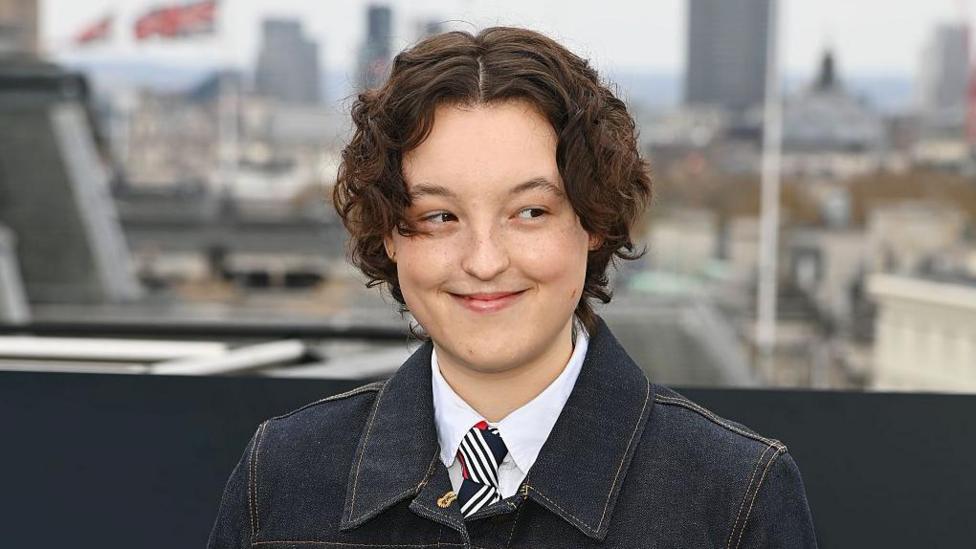
Bella Ramsey, the 22-year-old actor best known for their breakout role as Lyanna Mormont in Game of Thrones, recently reflected on their unique transition into adulthood. Having debuted on the hit series at age 11, Ramsey spent their formative years working closely with adults, a professional environment that led them to consciously avoid the stereotypical moody or rebellious behavior often associated with adolescence. Ramsey, who uses they/them pronouns, admitted they actively resisted acting like a typical teenager after hearing critical comments from adults, telling themselves, “I’m not going to be that.”
This perspective shifted during the production of the film Sunny Dancer, which follows a young cancer survivor named Ivy who attends a “chemo camp.” The project provided Ramsey with seven weeks to experience a version of teenage life they had previously bypassed. “I got to be a teenager aged 21, which was brilliant,” Ramsey tells. “It was really nice – and liberating.” Looking back, the experience prompted Ramsey to wonder if they had missed out by being so sensible during their actual youth, noting, “I kind of wish that I had made the most of being a teenager and getting away with things and being a bit rebellious.”
The film, which also stars Neil Patrick Harris, Jessica Gunning, and James Norton, features a cast that helped Ramsey bridge the gap. The rest of the cast were more than happy to help fill in those experiences; Ramsey says younger co-stars frequently discussed songs and nights out. “They were teaching me what being a teenager was for them and I was learning all the songs like five years later,” Ramsey explains, highlighting the collaborative nature of the set.
Beneath the summer camp narrative lies a story deeply personal to the film’s writer and director, George Jaques. His mother was diagnosed with cancer when he was 15, but it took another eight years for him to feel ready to turn some of those experiences into a script. “I never seem to write in the moment I’m going through it,” Jaques says. “You have to sort of get through and understand it and have that reflection of it.” He stresses that while the film is not a direct retelling of his family’s story, there are “bits of me” scattered throughout the characters.
Jaques was conscious that his own experience could only take him so far, so he consulted with the Teenage Cancer Trust to incorporate the perspectives of young survivors and bereaved parents. He recalls a poignant interaction with young people who had survived cancer, noting they explicitly asked him not to label them as “brave” or “kids.” The film was significantly shaped by these encounters, and Jaques even cast two of those young people in the movie. The process forced Jaques to confront his own history with loss, particularly during the Berlin premiere, where he realized the emotional weight of seeing his mother in the audience.
Both Ramsey and Jaques argue that society is ill-equipped to handle grief, often expecting individuals to return to normalcy too quickly. Jaques, who lost someone close to him while sitting his A-levels at 18, notes the societal pressure to go “straight back to work and school.” He believes that if we were more honest about our feelings, we might understand the grieving process better. Ramsey agrees, pointing out the “unhealthily British” tendency to minimize pain when asked how one is doing. They argue there should be more space to be “expressive in grief and to let it be loud or let it be very quiet and silent and private.”
The conversation around loss is further complicated by a lack of institutional support. In the UK, there is no general legal right to paid bereavement leave when someone close to you dies, with the main statutory exception being parental bereavement leave following the death of a child under 18 or a stillbirth after 24 weeks. This lack of structural acknowledgement often forces people to suppress their emotions in professional or academic settings.
After spending seven weeks playing a teenager desperate to define their own identity, Ramsey offers straightforward advice for young people struggling to find their place. “Don’t try and fit in. Please don’t change to try and fit in because there are people who will fit in with you,” they say. This sentiment aligns with Ramsey’s broader view on the pressures faced by the youth today, particularly regarding the curated nature of social media.
Jaques echoes this, suggesting that the burden of resilience should not rest solely on the shoulders of the young. “There’s so much pressure on young people to change on social media,” he says. “Why don’t we stop hating on young people? Maybe that’s where we should start as well.” By fostering a more empathetic environment, both the actor and director hope to encourage a culture that values authenticity over conformity.
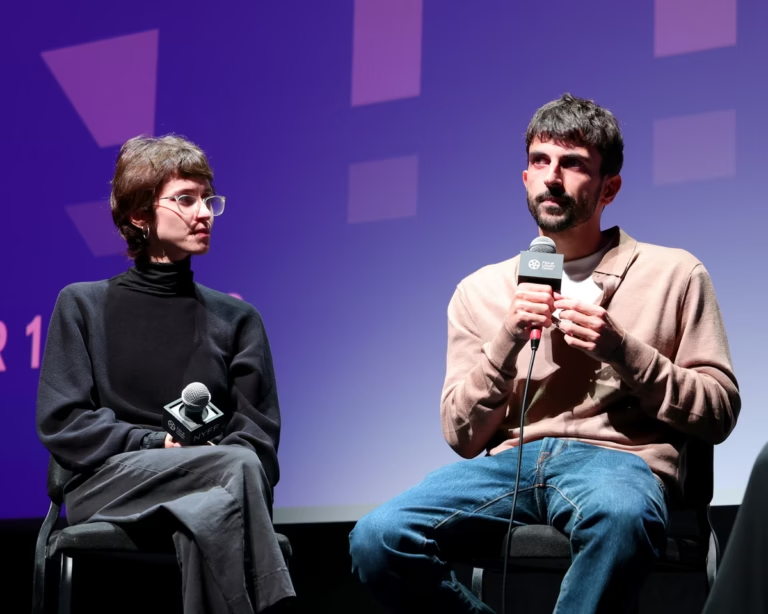
Sunny Dancer is Jaques’ second feature film – he is pictured alongside Ramsey at the premiere in Berlin in February 2026





Comments