
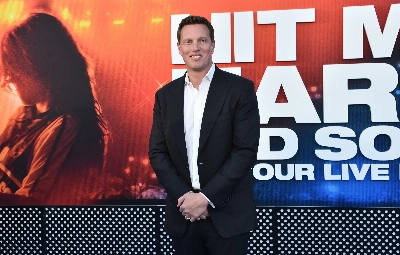
With an antitrust trial regarding the proposed merger between Paramount and Warner Bros. Discovery set for March 2027, Paramount CEO David Ellison is actively shaping public perception of the deal. In a New York Times op-ed published last Tuesday, Ellison addressed concerns surrounding the merger, particularly the future of CNN, while doubling down on his commitment to produce 30 theatrical releases annually. He noted that while no one can dictate audience preferences, he can promise the work itself. To bolster this claim, Bloomberg reported on Saturday that Paramount has agreed to sign contracts with major theater chains, pledging to maintain this 30-movie output for three years post-merger, with financial penalties in place for failing to meet the target.
This ambitious strategy aims to convince regulators and shareholders that the union of these two legacy studios will foster increased investment in cinema. However, historical precedents suggest that such optimism often clashes with fiscal reality. The merger between WarnerMedia and Discovery serves as a cautionary tale; following the 2022 deal, the company faced significant cost-cutting measures, including the cancellation of the nearly completed $90 million film Batgirl for a tax write-off. Despite initial goals to reach 20 releases annually, Warner Bros. Discovery has since scaled back its expectations, releasing only 11 films in 2025 and currently targeting a slate of 12 to 14 projects per year.
The logistical hurdle for Ellison’s plan is substantial. According to CNBC, Universal and its specialty label, Focus Features, have maintained the highest annual average for a major studio in the 21st century at 17.2 releases. There is currently no modern precedent for a major studio successfully delivering 30 wide releases in a single year. Industry experts argue that the current market landscape, altered by the rise of streaming, requires studios to focus on a smaller number of high-impact films. Kevin Goetz, CEO of Screen Engine, noted in May that fewer movies are currently doing the heavy lifting in a post-streaming ecosystem, which directly contradicts the strategy of increasing total theatrical volume.
Financial constraints further complicate the proposal. The merged entity is expected to inherit $79 billion in debt, a burden likely to force a prioritization of safe, predictable intellectual property over experimental filmmaking. This shift could stifle the creative risk-taking that recently brought Warner Bros. success with 2025 titles such as Sinners, Weapons, and One Battle After Another. Critics worry that the pressure to service such massive debt will inevitably lead to a more conservative slate, prioritizing established franchises over the filmmaker-driven projects that have recently performed well.
In his defense, Ellison has pointed to his own production history, citing films like Top Gun: Maverick, G.I. Joe: Retaliation, and Terminator: Dark Fate. While these projects vary in quality, they share a reliance on established intellectual property. Ellison’s track record suggests a focus on proven brands, yet the industry remains unconvinced that this approach can scale to 30 films a year without sacrificing quality or succumbing to the harsh economic realities that have forced other studios to consolidate their output.
Discovery to start in March 2027, its chief executive, David Ellison, is bringing his perspective to the court of public opinion.
In a New York Times op-ed published last Tuesday, Ellison discusses what he believes to be the biggest point of contention for the merger — the fate of CNN — and reiterates that he plans to commit to 30 theatrical releas
“Nobody can dictate what audiences will love,” he writes.
It’s an optimistic vision for a company trying to persuade regulators, shareholders and people within the industry that bringing together two legacy studios would lead to more aggressive investing in theatrical filmmaking, rather than a retreat from it.
But Hollywood has seen merger-era optimism collide with corporate reality before.
The real question isn’t whether Ellison is sincere about wanting to preserve the theatrical experience.
A written agreement could certainly help alleviate some of the concerns surrounding the acquisition.
According to the report, Paramount would face penalties if it didn’t keep up its end of the bargain with theaters.
But whether the economics of the company Ellison is trying to build can support that commitment is the real issue.
The company’s competing financial priorities were quickly made apparent.
It was one of the most visible examples of wide-ranging cost-cutting that totaled between $2 billion and $2.5 billion.
fell short of that mark, releasing 11 films.
That’s not necessarily because Warner Bros.








Comments