
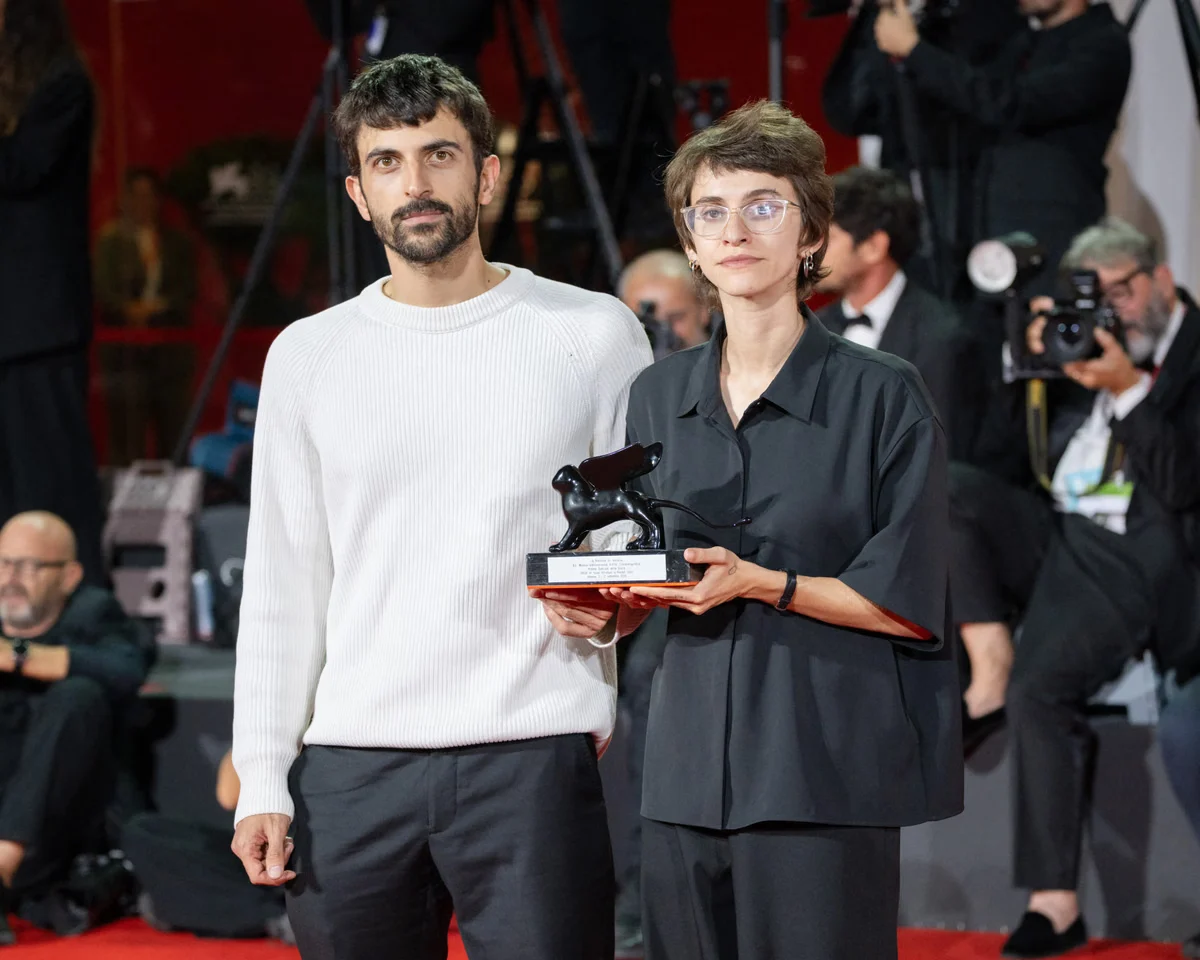
A 25-minute standing ovation at the Venice Film Festival for the documentary NAZA was met with a starkly different reception upon the film’s return to the spotlight in Israel. The 80-minute production, which explores the complexities of the military campaign in Gaza, has drawn severe condemnation from right-wing political figures and ignited an aggressive campaign against its creators, Oscar-winning filmmakers Yuval Abraham and Rachel Szor.
The documentary, produced by, derives its title from an Israeli military acronym used to euphemistically describe the civilians expected to be killed during strikes. Featuring testimonials from 24 anonymized military insiders, including members of elite units, the film presents accounts of AI-powered systems and decision-making processes that result in the deaths of thousands of people, often when they are at home with their families. These participants describe a wide range of emotions regarding their involvement in the conflict, in which more than 73,000 Palestinians have been killed, with some expressing feelings of shame, others remaining neutral, and some describing the actions as exhilarating.
The film is scheduled for release in US cinemas on September 30, with further international distribution details pending. However, in Israel, the reaction has been characterized by intense vitriol. Prime Minister Benjamin Netanyahu responded to the film by pledging to introduce legislation that would strip citizenship from individuals who “smear” Israeli soldiers, framing the documentary as an act of treason.
Public hostility has manifested in direct threats against the filmmakers. Demonstrators have called for the demolition of the directors’ homes, and protesters gathered outside Szor’s parents’ residence to demand the “death penalty for traitors.” The atmosphere has become increasingly volatile, with political rhetoric branding the creators as enemies within. Left-wing figures and human rights organizations have raised alarms about the credible danger posed to the pair, while right-wing media outlets and figures have urged for them to be “hunted” and prevented from returning to the country.
Controversial politician Ofer Winter explicitly addressed the directors during a rally, stating, “I understand that you are afraid to return to Israel. You are right. You have nothing to return to. It is a disgrace and a shame to return after you spat in the faces of your own people.” Meanwhile, columnist Nahum Barnea writing for Yedioth Ahronoth dismissed the government’s calls to strip citizenship as “delusional,” arguing that in a functional democracy, the allegations presented in the film would trigger an official investigation rather than a political witch hunt.
The targeting of the filmmakers extended to the offices of +972 Magazine and Sicha Mekomit, where Abraham’s initial reporting appeared. The facilities were reportedly broken into by right-wing activists who filmed their intrusion. Political experts suggest that the right-wing establishment is exploiting the film’s limited availability within Israel to control the narrative. Because most Israelis have yet to view the documentary, it has become an electorally potent tool for a government facing a tense campaign period and increasing international isolation due to ongoing concerns over the situation in Gaza and violence in the West Bank.
The backlash represents a broader trend of diminishing tolerance for dissent since the October 7, 2023, attack by Hamas. While the film challenges the traditional expectation that Israeli media should practice self-censorship during wartime, the current political climate has turned such critiques into a target. As the nation approaches elections this October, right-wing parties continue to push increasingly hardline stances, effectively categorizing human rights advocates and critical journalists as internal adversaries. The report also notes that f irst there was a moment of stunned silence. The report also notes that then, in the Sala Grande, the main screening hall of the Venice film festival within the Palazzo del Cinema, the audience stood almost as one and turned to applaud the film-makers for 25 minutes. The report also notes that many of them from elite units, perhaps most challenging for Israel’s political elite is that it is a story told exclusively in Hebrew by 24 anonymised Israeli military insiders. The report also notes that the documentary depicts a wide variety of viewpoints that all lead to the same conclusion: participation in a programme of mass killing where there were few boundaries between combatant and civilian, in a war where more than 73,000 Palestinians have been killed. The report also notes that with international distribution plans to be announced shortly, it will open in US cinemas from 30 September. The report also notes that but in Israel the film provoked a very different response, the ripples of ovation gathered in volume among the few who have seen the film before its New York premiere. The report also notes that an editorial in the left-leaning newspaper Haaretz warned that their lives were credibly endangered.





Comments