
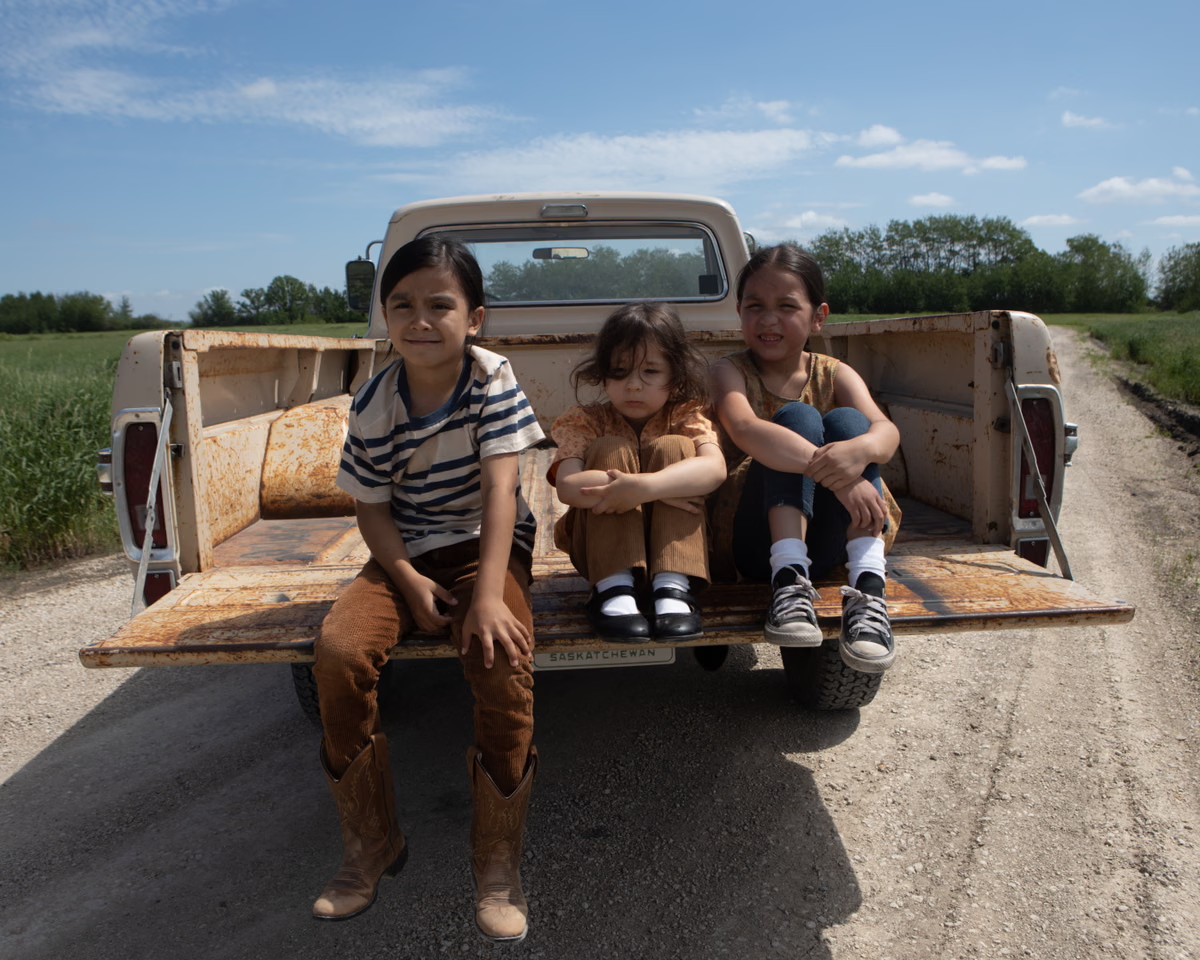
Watching Little Bird (18 August, 9pm, Sky Atlantic), I was reminded that TV is capable of more than mere entertainment, something we lose sight of when we think of it as a purely profit-or loss-making enterprise. The series depicts a harrowing reality: a man returns home to find his wife handcuffed to a wall and his children abducted by child protection services, who justify the removal based on the lack of a fridge—a claim that ignores the appliance hidden behind the house. When he confronts law enforcement officials outside, they beat him to death. Decades later, one of the children, now raised in a Jewish home in Montreal, risks her stable life to uncover the truth about her lost family.
Although the story is fictional, it is rooted in the real history of Canada’s Sixties Scoop, a period of mass abduction where First Nations children were forcibly taken by welfare services and rehomed with white families. These children often had their adoption papers sealed, leaving them without contact with their biological parents or any knowledge of their heritage. The six-episode series examines the long shadow of this cultural genocide, concluding each episode with a reminder that there are currently more Indigenous children in the care system than ever before.
The narrative follows Esther, also known as Little Bird, who is a trained lawyer. She is repeatedly told to calm down and act with decorum while officials fob her off, oozing contempt. The show brilliantly dissects racism, from the systemic to the everyday. Any person of colour will wince with recognition when a case worker remarks: “You look so put together,” or her fiance’s mother tells her: “You’re one of the good ones.” (Unless they aren’t put together or one of the good ones, I suppose.) Esther remains isolated by her relative privilege, while another family member, abducted during the same period, was forced into indentured servitude and made to sleep in an outhouse.
The series also examines the staff who enact these brutal policies. “You’re not going to be able to do this job if you can’t get past being nice,” an experienced child protection services officer tells Adele Halpern, a greenhorn struggling to suppress her own humanity. Adele’s attempt to adopt a more bureaucratic, cold-hearted approach is heartbreaking. The show is at its best when it maintains a restrained, cool eye on the banality of injustice, refusing to offer easy answers or comfort to the viewer.
Filmed on location at Treaty 1 Territory in Manitoba, Esther’s suppressed memories of her stolen life are shot through with lushness as they return, though they aren’t all happy. The Indigenous Cree-Saulteaux actor Darla Contois gives a graceful, very moving performance as Little Bird, and the show cleaned up at the Canadian Screen Awards, winning 13 trophies. While it is not a light watch, the drama possesses immense dignity and tenderness. It serves as a vital piece of television that demands to be seen, ensuring that the history of the Sixties Scoop is not lost in a crowded marketplace of commercial content. Watching it will likely leave you feeling visceral anger, and that is an appropriate response to such a profound injustice.






Comments