
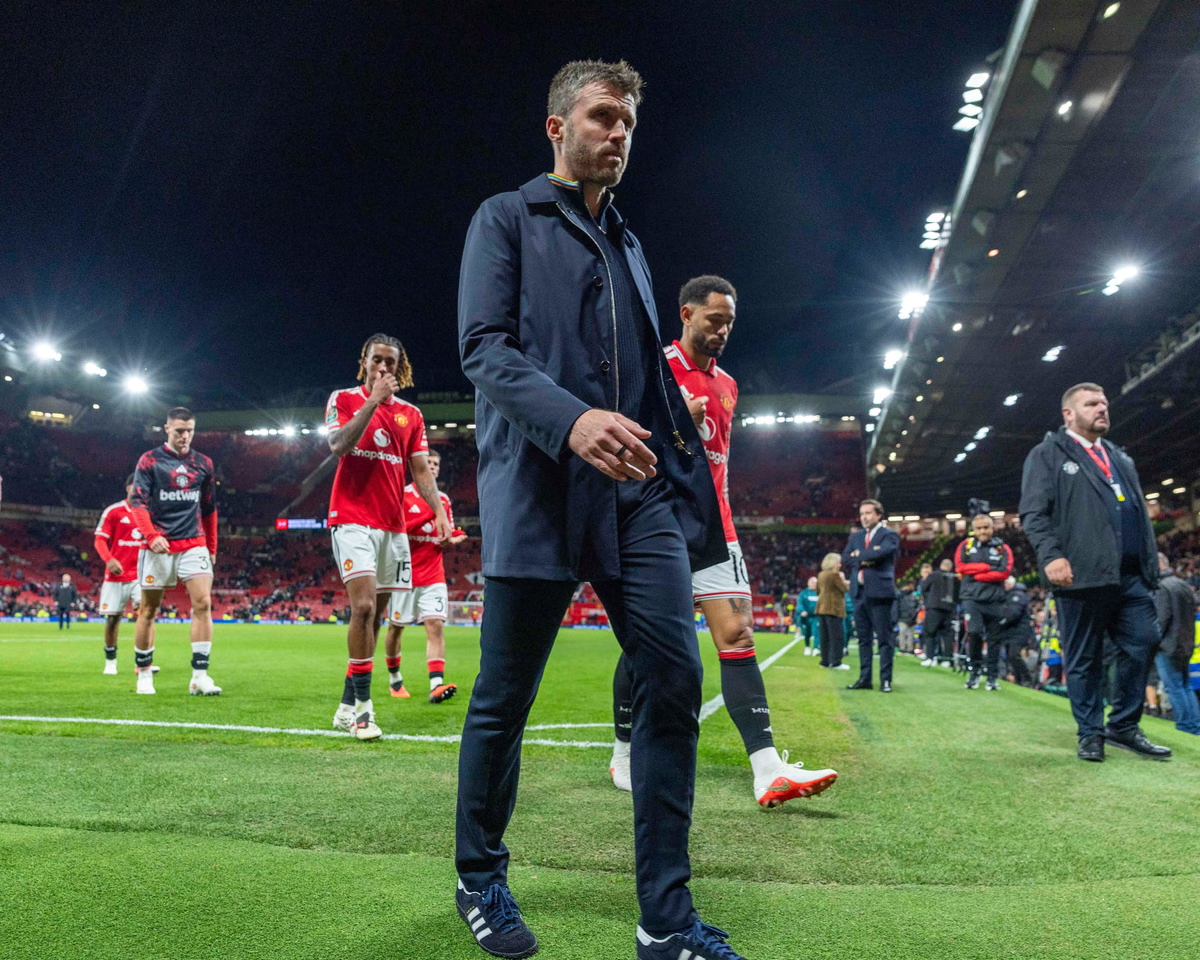
Manchester United’s latest setback in the Carabao Cup was met with a mix of jeers and apathy from supporters, signaling deepening frustration at Old Trafford. While head coach Michael Carrick and his players bore the immediate brunt of the disapproval, the club’s hierarchy—led by director of football Jason Wilcox—is increasingly under pressure to account for the team’s dismal trajectory. Carrick, who returned to the club in January, remains the face of the operation and the primary spokesperson for its failures, yet the broader issues plaguing the squad extend far beyond the touchline.
The current situation highlights a divide between the coaching staff and the executive decision-makers. Supporters have long protested against the Glazer family and Sir Jim Ratcliffe, recognizing that the team’s current 13th-place standing is not solely the fault of those managing the 90-minute performances. The club, now back in the Champions League, has been consistently outspent by smaller sides, making the inefficient use of limited funds a central point of contention. Recruitment, in particular, has become a focal point of criticism, specifically the decision to commit £155 million to three central midfielders while neglecting other critical areas of the pitch.
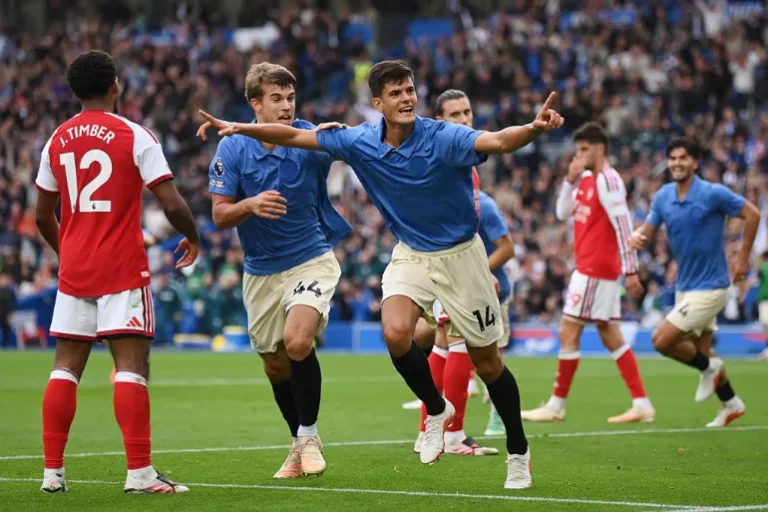
Logical concerns regarding squad balance were ignored; although the departures of Casemiro and the lackluster performance of Manuel Ugarte necessitated midfield reinforcements, the lack of variety in the club’s scouting approach appears naive. Critics point to the Brighton match—where United led by two goals in the opening ten minutes only to lose control for the remaining 80—as evidence of systemic flaws. While Carrick is forced to devise contingency plans for injuries, such as the current absence of Luke Shaw, the lack of depth in positions like left-back and the struggles of Joshua Zirkzee have left the team exposed. For instance, a more modest investment than the £50 million spent on Andrey Santos might have provided better flexibility for the squad’s overall health.
Executive silence has only exacerbated the tension. While it is common for sporting directors in Europe to engage with the press, the Premier League has yet to adopt this practice, and Wilcox remains largely reclusive during poor runs of form. He previously spoke to internal media on October 30, 2025, to discuss a long-term vision, yet that plan was derailed shortly after the departure of Ruben Amorim. Wilcox, who arrived as technical director from Southampton in 2024, previously oversaw the retention of Erik ten Hag following an eighth-place finish, only for the manager to be sacked after a poor start the following year. Amorim’s subsequent 14-month tenure ended in disappointment, including a 15th-place league finish and a meek Europa League final loss to Tottenham.
Carrick himself is not immune to criticism. Underperformance remains an issue, with the team looking disjointed in attack and porous in defense, having conceded seven goals in four Premier League outings. The defensive pairing of Leny Yoro and Ayden Heaven during the Brighton game was particularly exposed. Despite the scrutiny, Wilcox’s professional reputation from his time at Manchester City’s academy is well-known, though his transition to senior management has invited intense oversight.
Ultimately, the burden of failure at Manchester United feels unevenly distributed. While Carrick faces the immediate risk of his position—with a looming match against Fulham serving as a critical barometer—others in the hierarchy have survived previous tactical and recruitment failures. As the club sits 13th in the table, the question remains whether Wilcox, who was granted another opportunity to rectify the squad following Amorim’s exit, can successfully steer the team through this downturn before the consequences reach the executive level. The report also notes that t here was a mix of boos and apathy as Manchester United slumped out of the Carabao Cup on Wednesday in their latest depressing act in domestic cup competitions. The report also notes that where supporters know what is good or bad and give a rapid opinion to those whose wages they deem they pay, this is the natural course of football. The report also notes that the ones put up to speak with journalists and sent to promote the wares of sponsors, carrick and his charges are the face of the club. The report also notes that from tactics to transfers, but the picture is more complex, the head coach is often viewed as accountable for everything.
Comments