In August 2019, Lebanese choreographer Omar Rajeh found himself in his bedroom, grappling with a personal and political crisis while listening to the sound of intense percussion. During this volatile period, Citerne Beirut—the cultural centre and theatre he established in his home country—was dismantled by local authorities to make way for a planned incinerator project.
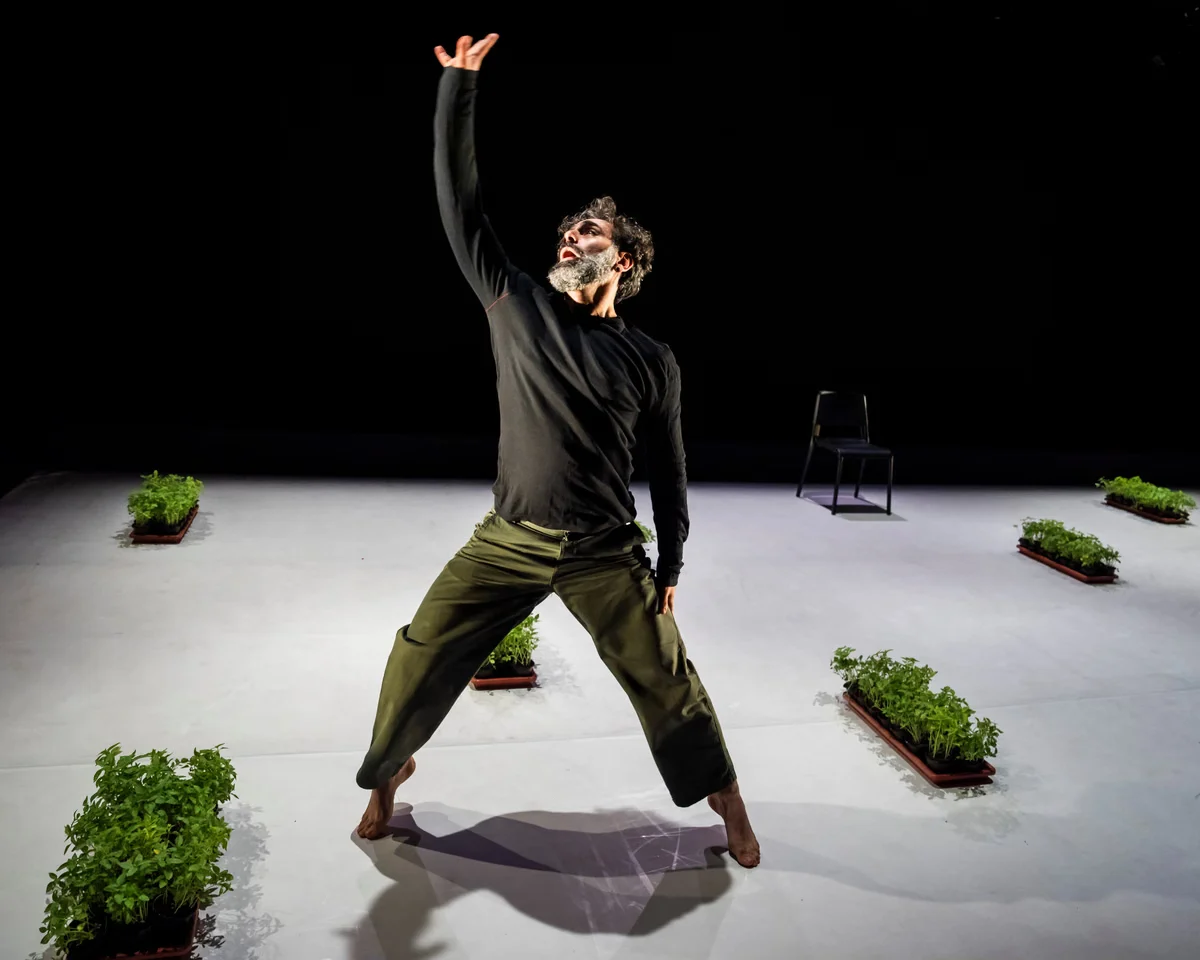
Now residing in Lyon, Rajeh views his departure as a significant loss to the Lebanese creative landscape. His solo performance, Dance Is Not for Us, is currently being showcased at the Dance Umbrella festival at the Barbican in London. The work serves as a heartfelt invitation to gather and witness shared human experiences, urging audiences to look and listen as a form of resistance.
Rajeh describes his path to performance as a teenage response to the end of the Lebanese civil war, when dance felt like the most radical act available to him. Decades later, his motivation remains rooted in frustration, defiance, and a deep-seated need for connection. Throughout the performance, he delivers a stream-of-consciousness dance; while his movements may lack traditional elegance, they possess an urgent, essential quality that builds in intensity with the percussive score.
The piece functions as both an explosive physical display and a meditative exploration of how choreographies are constructed. Rajeh uses a keyboard to project his creative process onto a screen, revealing the inspirations, doubts, and deliberate choices behind his work. He recalls the first instances of choreography he witnessed—not on a stage, but in the streets, through public protests and the physical confrontation between two men. To Rajeh, these moments of bodies organizing themselves in space define the true essence of choreography, illustrating his belief that the political and the creative are inextricably linked.