
Tate Britain is set to host a major new exhibition titled The 90s: Art and Fashion, curated by Edward Enninful, who brings his own experience from his tenure at i-D magazine during that decade. The exhibition opens on 8 October and runs through 14 February, offering a window into a period when British creative industries were newly flush with resources, meeting a generation of determined, often penniless dreamers. The imagery features subjects and photographers who were largely in their 20s, capturing a unique mix of professional models and artistic newcomers.
Many of the works on display embody a shared sense of mischief and optimism. Whether in the club scenes or backstage, there is a recurring feeling of both seriousness regarding creative ideas and the thrill of getting away with it. As the 90s recede into history, the exhibition highlights a hidden architecture that supported this burst of creativity. Access to cheap rent was vital; many creatives lived in central, albeit often dilapidated, flats for no more than £60 a week. For those struggling, options like squatting or housing benefits provided a bridge until individual careers gained traction.
Economic conditions also played a crucial role. The music industry, bolstered by the commercial success of CDs, provided a financial engine that supported indie labels, independent PR professionals, and music journalists. This interconnected ecosystem meant that parties were everywhere—hosted by magazines, galleries, or underground networks. Meeting fellow artists, musicians, actors, and self-styled entrepreneurs was a nightly occurrence, often in late-night drinking dens where connections were forged with little regard for social hierarchy.
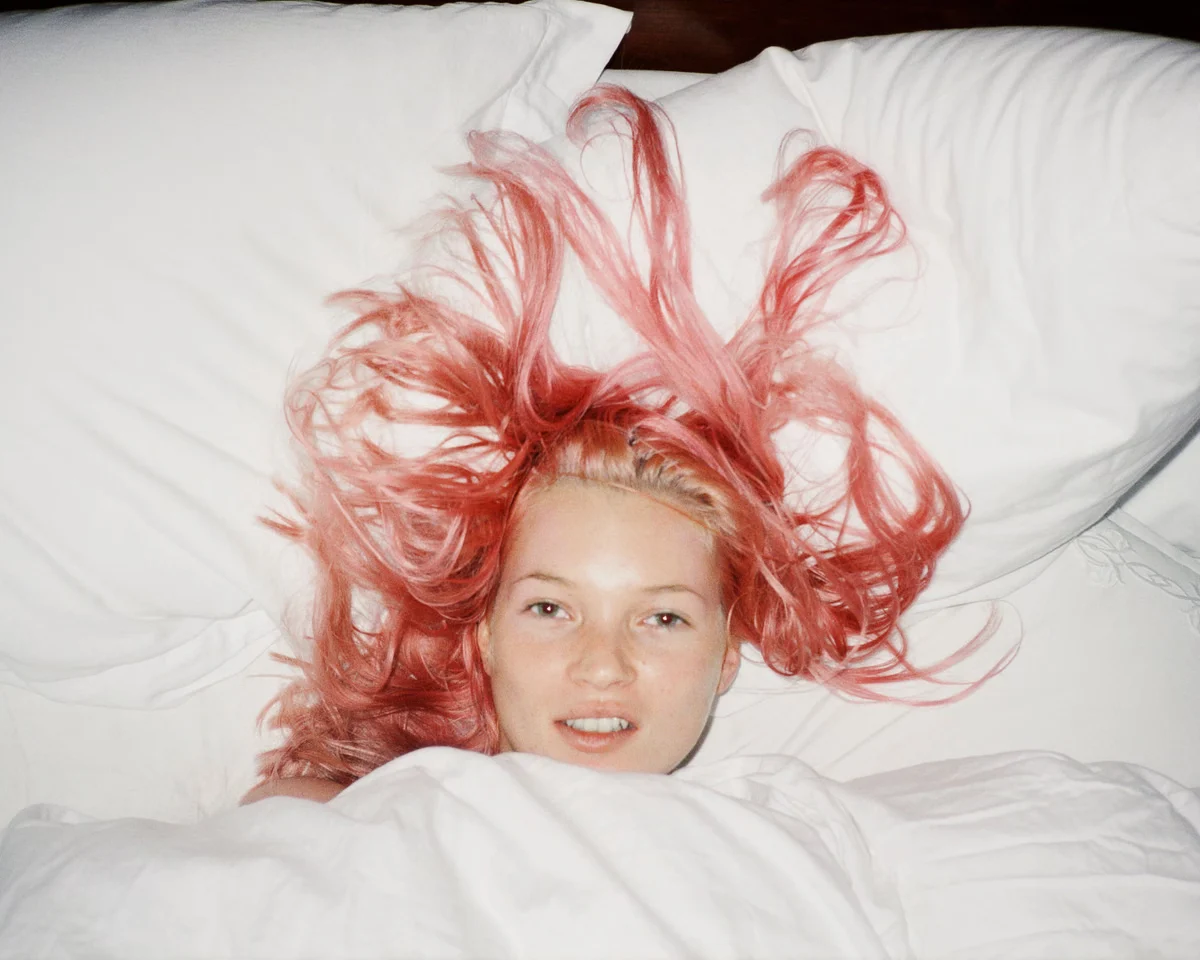
The exhibition features several iconic and telling pieces. Juergen Teller’s 1998 photograph, Young Pink Kate, documents a long-standing friendship and creative partnership with Kate Moss, who dyed her hair pink for a Versace show in Milan. Sarah Lucas’s 1997 work, Pauline Bunny, marked a shift in how female bodies were represented through her signature use of stuffed tights. Meanwhile, Sam Taylor-Johnson’s 1993 piece, Fuck Suck Spank Wank, challenges traditional notions of girlhood and youth.
Other works capture the vibrant subcultures of the time. Jon Shard’s 1994 photograph of Flesh at the Haçienda captures a clubgoer in a silver wire headdress, illustrating the distinct feel of the venue’s gay-friendly nights. Fergus Greer provides a poignant look at performer Leigh Bowery in a 1994 session, taken in a full-length rubber bodysuit shortly before his death from an Aids-related illness. Eileen Perrier’s 1998 Untitled photograph documents the bustling Afro Hair and Beauty Show held at London’s Alexandra Palace.
The exhibition also addresses the complexities of the era’s cultural landscape. Ellen von Unwerth’s 1994 photograph for Naomi Campbell’s Babywoman album cover highlights the challenges Campbell faced booking work in the UK, where the prevailing aesthetic often favored an androgynous, indie look associated with stars like Moss. Sean Ellis’s 1998 piece, The Dark Knight Returns, styled by Isabella Blow, shows the deliberate intersection of high-concept fashion and cinematic history, influenced by studies of 16th-century battle paintings.
For those who lived through it, the memories are vivid. Vinca Petersen, who traveled Europe in a van after the 1994 Criminal Justice Act outlawed UK raves, remains a central figure of that wandering, artistic spirit. Journalist Miranda Sawyer, presenter of the podcast Talk 90s to Me, recalls the era not just as a period of parties, but as a time when an entire generation of outsiders rejected established hierarchies to redefine the cultural identity of Britain. The report also notes that with pink hair splayed across a pillow, her face scrubbed of makeup, her smile sweet and wonky, h ere is Kate Moss. The report also notes that sarah Lucas’s Pauline Bunny artwork with its confrontational hosiery on a charity shop chair. The report also notes that sean Ellis’s collaborative knights-in-grubby-armour shoot with Alexander McQueen. The report also notes that in a club, or saluting the sun as it stretches and yawns over a litter-strewn hill, here are happy ravers. The report also notes that a verve, it gives the photos a youthful fizz. The report also notes that but the energy also comes from an understanding between photographer and subject. The report also notes that the Face and Smash Hits, at the time these photos were taken I was writing for magazines such as Select. The report also notes that as well as some of the photographers, i know some of the subjects in the pictures.
Comments