
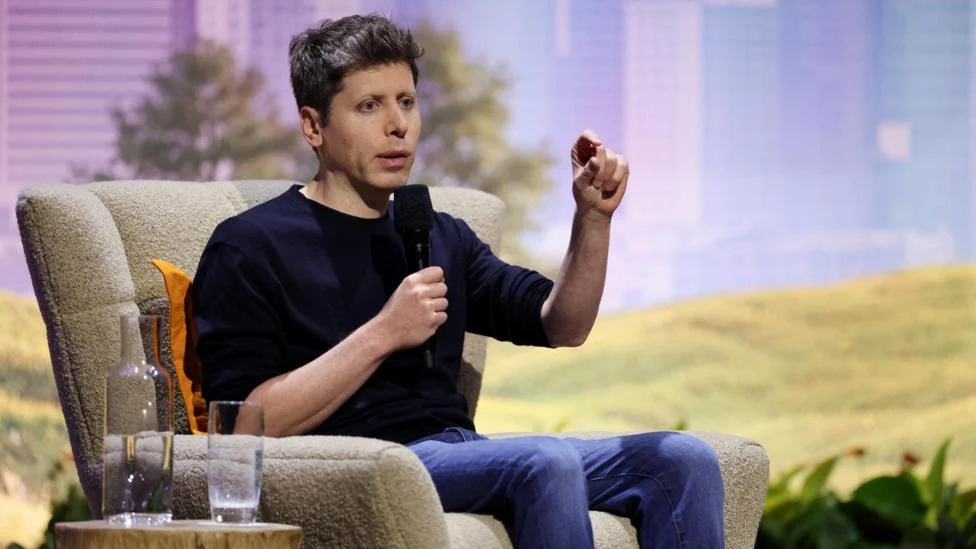
OpenAI chief executive Sam Altman has urged the public to trust that AI firms will act responsibly, even as he acknowledged that widespread fear regarding the technology is justified. Speaking at an annual conference hosted by Salesforce in San Francisco this Tuesday, Altman emphasized that the industry recognizes the immense implications of its work. He admitted that it has become easier to envision how the technology could result in negative outcomes, stating that the world is right to feel apprehensive.
These comments marked Altman’s first public appearance since a viral post from a former Anthropic researcher suggested that, left unchecked, AI could pose a fatal threat to humanity by the end of the decade. While the researcher’s specific methodology for this conclusion remains unclear, the claim has spurred intense scrutiny. Anthropic CEO Dario Amodei has since advocated for a global slowdown in AI development and urged government intervention, a stance supported by figures such as Elon Musk and Google DeepMind co-founder Demis Hassabis.
Despite the growing calls for oversight, Altman maintained that companies in the sector are capable of effective self-regulation. He expressed strong confidence in the industry’s ability to ensure that safety and alignment protocols consistently stay ahead of technological capabilities. He pledged that if companies find they cannot maintain this balance, they would choose to slow down or halt progress entirely.
This position found support among other major industry leaders. Meta CEO Mark Zuckerberg argued on X that every AI laboratory possesses both the incentive and the capacity to prioritize safety to avoid the significant liability associated with causing harm. Zuckerberg noted that any lab failing to focus on alignment would ultimately fall behind in the market.
Nvidia CEO Jensen Huang joined the discussion at the same conference, asserting that industry leaders, rather than external regulatory bodies, should decide when to deploy new models. He argued against the necessity of new laws, characterizing the debate as a false choice between speed and safety. Describing safety as an engineering challenge, Huang advised companies to move as rapidly as possible while exercising the discretion to pause if they feel the institution has lost control.
However, the prospect of industry self-regulation faces significant political opposition. Senator Bernie Sanders has criticized the concentration of power, warning that critical decisions regarding AI development are being made by a small group of wealthy individuals, including Mark Zuckerberg, Jeff Bezos, and Elon Musk. Sanders argued that the public, rather than a handful of oligarchs, should determine the future of the technology.
Former White House strategist Steve Bannon echoed these sentiments, rejecting the notion that the tech sector can be trusted to police itself. He characterized the assurances from industry leaders as disingenuous. The ongoing conflict between industry claims of safety and public concern continues to polarize the debate over how, or if, governments should intervene in the evolution of artificial intelligence. The report also notes that why is Donald Trump so opposed to regulating AI. The report also notes that openAI boss Sam Altman thinks people should have more faith in his company and others like it to do the right thing when it comes to artificial intelligence (AI) development amid rising public concerns about all the risks. The report also notes that it doesn’t take as much imagination as it used to for [us] to imagine how this could go wrong,” he said. “I think the world is right to be afraid of this. The report also notes that it was the first time he had spoken publicly since a post went viral last week by a researcher who quit the AI firm Anthropic. The report also notes that though they didn’t explain how they came to their conclusions or how exactly AI could accomplish such a thing, a handful of other AI executives and experts responded by saying they agreed with the assessment.






Comments