
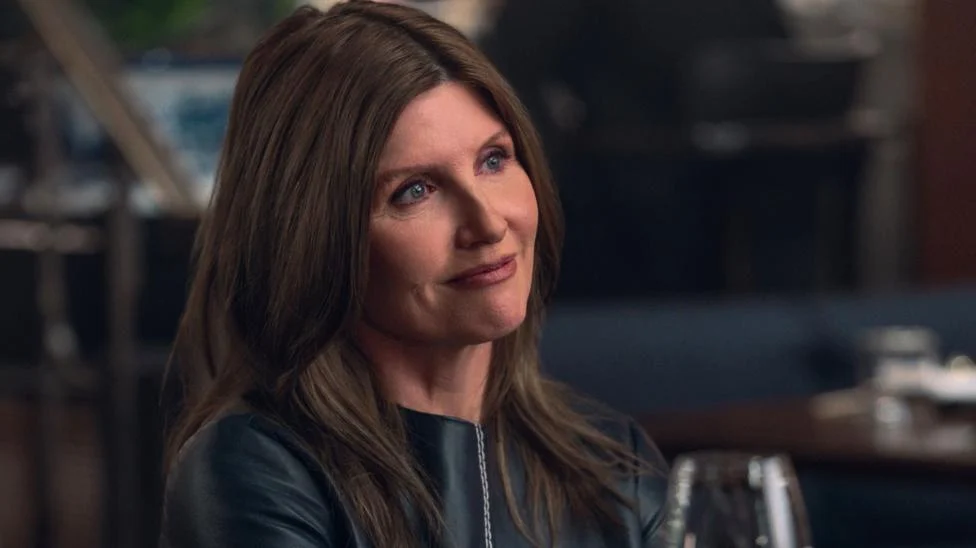
Following the success of acclaimed projects like Pulling, Catastrophe, and Motherland, writer, producer, and actress Sharon Horgan is returning to the screen with her latest comedy drama, Youth. The series, which is set to debut on HBO Max in the UK and Ireland on 21 September, explores the unique pressures faced by women in their 50s.
Horgan stars as Alex, a character navigating the so-called sandwich generation experience: managing a demanding publishing career while caring for a teenage son and aging parents. Following a divorce, Alex also re-enters the dating world, providing a backdrop for the show’s exploration of life after 50.
Reflecting on the inspiration for the show, Horgan noted that it functions as a form of autofiction, incorporating autobiographical elements while remaining a scripted narrative. She developed the project after the conclusion of Bad Sisters, aiming to write about this specific phase of life through the perspective of a mother with a son. She described the show’s tone as post-divorce and menopause-adjacent, emphasizing her desire to find humor in the reality of physical aging.
The actor and producer spoke openly about the vulnerability involved in depicting midlife on screen. She admitted that watching herself age on camera is not particularly fun, but she emphasized the importance of presenting an honest depiction of the complicated relationship many women have with the aging process. Horgan criticized the pressure within the entertainment industry to maintain a specific appearance, noting that while she is still navigating these insecurities, she is working toward a more comfortable relationship with getting older.
Addressing the dating elements of the show, Horgan pointed out that midlife relationships come with their own set of anxieties, including concerns over appearances and physical dynamics. However, she remains committed to portraying a character who is willing to put herself out there in the hope of finding a partner to grow old with.
The series also highlights the perspectives of other characters, including Alex’s boss and best friend, Sam, played by Sharlene Whyte. Whyte noted that the industry is seeing more visibility and opportunities for women in their 50s, arguing that these stories are essential for audiences. She described Youth as an inter-generational experience that extends beyond just the middle-aged narrative.
A significant portion of the show focuses on the dynamic between Alex and her teenage son, Ruari, portrayed by 19-year-old Aran Murphy. Murphy’s character grapples with the complexities of modern youth and a strained relationship with his father, played by Owen McDonnell. According to Murphy, the character’s journey reflects the confusion of coming of age, where a lack of a stable support system can lead young people toward negative influences.
Murphy believes the show carries a universal message for younger viewers: that nobody truly has their life perfectly mapped out at 18. This sentiment of perpetual adjustment is one that Horgan echoes, suggesting that whether at 18 or in midlife, everyone is essentially trying to figure things out as they go. By blending these generational perspectives, Horgan intends for the show to serve as a relatable reflection for women and families alike, staying true to her signature mix of humor and pathos. The report also notes that with her latest show Youth, Horgan puts the spotlight on 50-something women, imbued with her trademark tightly balanced mix of hilarity and pathos. The report also notes that i’m curious to know how much of Youth is based on Horgan’s own experience. The report also notes that the star is divorced and has two daughters. The report also notes that we’ve all got kids who are kind of adults now and parents who are getting older and ailing in some cases. The report also notes that but the good thing about writing autofiction is that no one really knows which bits are real and which bits aren’t, I guess, except the people [in it]. The report also notes that the 56-year-old says she was keen to “write about this particular time in a woman’s life… through the lens of a mother of a son”. The report also notes that because there’s a lot that’s very funny about our bodies failing.








Comments