
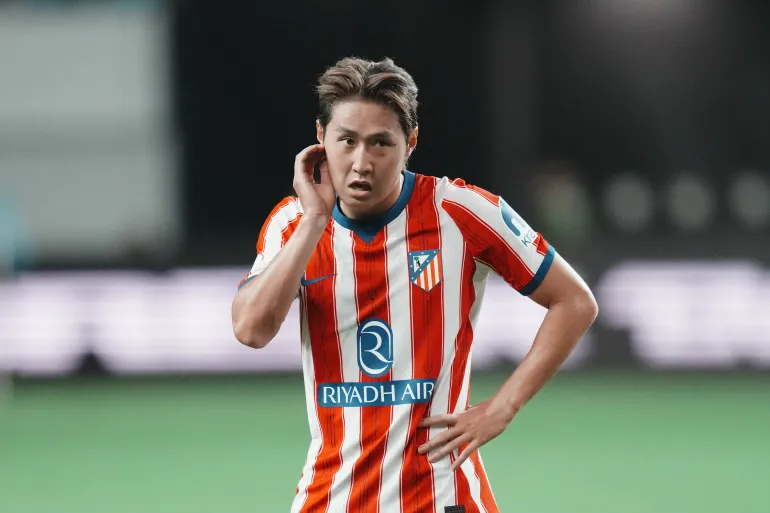
The South Korea Pro Footballers Association (KPFA) is formally requesting a shift in the domestic football calendar to avoid scheduling matches during the peak of summer. The union argues that the current structure fails to protect athletes from the intensifying climate crisis and the increasingly dangerous heat levels observed across the country.
In an official statement, the KPFA emphasized that the K League must transition to a Fall-Spring schedule. This change, they claim, is essential to safeguard players from punishing summer temperatures while ensuring the league maintains its competitive edge and leadership position within Asia. The current 2026 season, which began on February 28 and is slated to conclude on December 6, has faced mounting pressure as extreme weather conditions persist.
The urgency of the request follows record-breaking temperatures, including a historic 42.5 degrees Celsius (108.5 Fahrenheit) recorded in Yangsan on August 2. This extreme heat has already disrupted other sports, leading to a week-long suspension of the Korean baseball league. Meanwhile, Seoul recently endured a 17-day streak of tropical nights, where temperatures remained above 25 degrees Celsius (77 Fahrenheit) until the streak concluded on Monday.
KPFA president and former international player Lee Keun-ho suggested that while South Korea’s harsh winters—characterized by subzero temperatures and snowfall from December through February—present a logistical challenge, the season could be managed by incorporating a winter break. Lee noted that players believe a winter pause would better prevent injuries and allow them to maintain peak physical condition compared to the current requirement of competing under the scorching summer sun.
To support this transition, the association suggests that clubs invest in structural improvements, such as installing hybrid grass pitches and more robust heating systems at stadiums. Aligning with the Fall-Spring model would also bring the K League in line with the Asian Football Confederation’s Champions League Elite, which adopted the change in 2023, as well as the Japanese J League, which recently initiated its first summer-to-spring season.
The push for reform is backed by data from an emergency survey of 536 professional men’s and women’s players. The results revealed that 86.2% of respondents feel the heatwaves impose a significant physical burden, with 45.2% describing the impact as “very much” and 41% confirming it as a major issue. When asked about specific symptoms during matches, 64.7% reported dizziness, 56.6% cited dehydration, 32.2% experienced headaches, 13% suffered from temporary loss of consciousness, and 12.2% reported nausea.
Current mitigation strategies appear insufficient to many professionals. Only 15.3% of surveyed players believe existing cooling break policies are adequate, while 48.4% feel they are only partially sufficient. The physical risks of heat exposure were underscored by a recent tragedy in Japan, where 26-year-old Fijian rugby player Saimoni Vunilagi died after collapsing during a training session with his second-division side, Kyushu KV, in Fukuoka. Medical reports indicated his death was consistent with severe heatstroke.
Beyond the player experience, the extreme weather has also impacted the broader football environment, affecting attendance at recent high-profile exhibition matches. As the climate continues to shift, the KPFA maintains that these structural changes are necessary investments for the long-term health and viability of professional football in South Korea.
On August 2, the southeastern city of Yangsan recorded a temperature of 42.5 degrees Celsius (108.5 Fahrenheit), the highest in decades of official records, prompting authorities to warn residents to stay indoors.
The 2026 K League season started on February 28 and is due to finish on December 6, but in the current climate, calls to move the traditional schedule have intensified.



Comments