
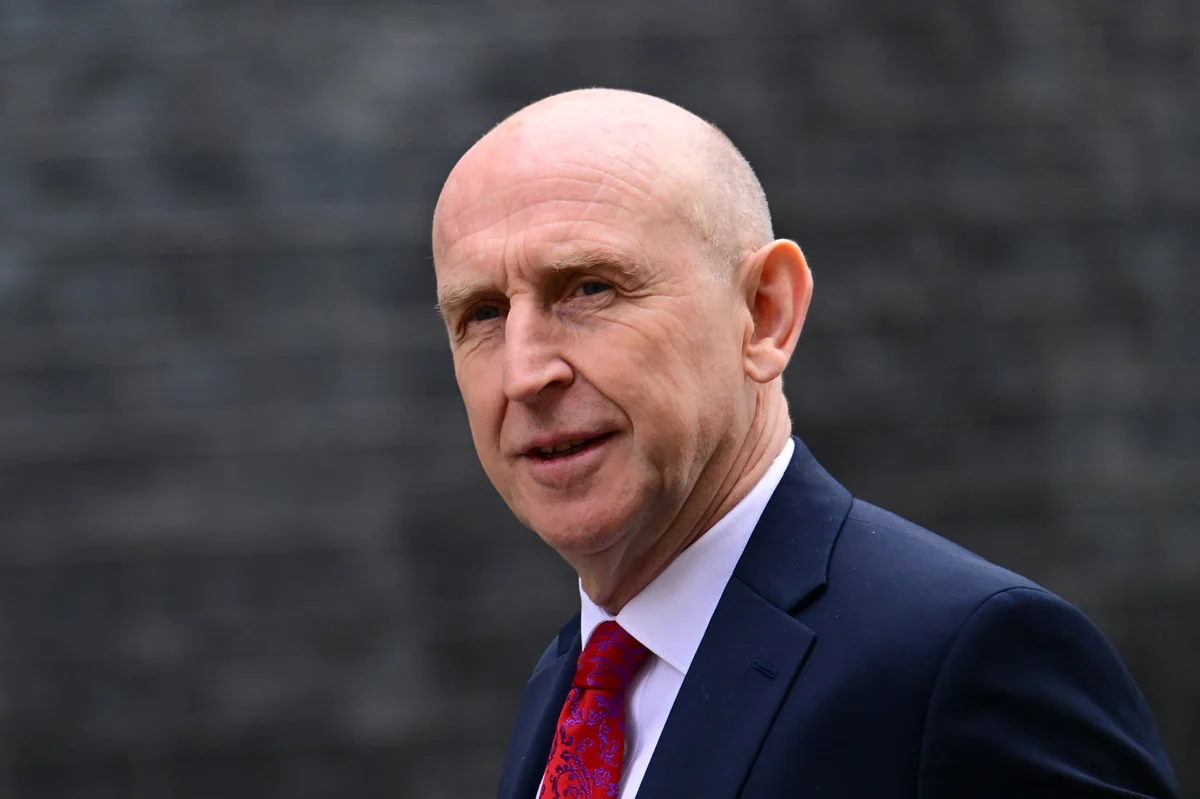
The UK government reported a higher-than-expected borrowing figure of £18.3bn for August, intensifying the pressure on Chancellor John Healey to calm volatile bond markets before his upcoming budget. This figure exceeds the £15.6bn predicted by City analysts and follows a £1.8bn deficit in July, which had also defied expectations of a zero-deficit outcome.
Official statistics from the Office for National Statistics indicate that public sector net borrowing—the gap between government expenditure and revenue—was £2.9bn higher last month compared to August 2025. This latest performance pushes total borrowing for the financial year to £77.3bn, leaving the Treasury £8.1bn above the projections established by the Office for Budget Responsibility (OBR).
Economists are now increasingly vocal about the fiscal path forward, with several labeling tax increases on October 28 as “inevitable” if the government aims to cover rising defence spending without increasing its reliance on international debt markets. Martin Beck, chief economist at WPI Strategy, described the latest public finance data as an “unwelcome setback” for the administration.
The Treasury faces a complex environment of rising costs. Since April, debt interest payments have reached £50bn, outpacing OBR forecasts by £2bn. Additionally, central government expenditure on pensions and social security benefits has climbed to £145bn, up from £135.3bn in the same period last year, a surge largely driven by inflation. With the consumer prices index at 3.1%, the Bank of England has signaled that borrowing costs may remain elevated.
Market reactions were immediate, with 10-year UK bond yields rising three basis points to 5.232% on Tuesday, and 30-year bond yields seeing a similar increase. Chris Beauchamp of IG noted that the Prime Minister and the Chancellor are facing a tightening environment where borrowing costs continue to climb while tax receipts fail to keep pace.
Thomas Pugh of RSM UK warned that these figures create a more challenging budget than the government likely anticipated upon taking office. While the government remains committed to fiscal discipline, as emphasized by Chief Secretary to the Treasury Emma Reynolds, the political stakes are rising. Reynolds stated that the government must remain conscious of where funding for public services originates, especially as debt interest costs consume billions.
Conservative Treasury spokesperson Andrew Griffith criticized the government’s handling of the economy, alleging a loss of control over public finances. “They are borrowing so much they’ve overshot the OBR forecast by an extra £8bn of debt,” Griffith said, accusing the administration of “fiscal incontinence” despite the current record-high tax take.
International observers, including the International Monetary Fund, have urged governments to regain control over finances to maintain status as a safe haven for lenders. Despite the gloomy data, the OBR has cautioned that early-year estimates of government borrowing are provisional and subject to future revisions. The report also notes that some economists said it was “inevitable” that the chancellor would need to raise taxes on 28 October if he is to meet demands for extra spending on defence without further borrowing from investors on international money markets. The report also notes that healey, the chancellor, has promised to stick within the government’s spending limits, which restrict the amount the Treasury can borrow as a proportion of national income. The report also notes that the UK has been among the countries hardest hit by the rise in the interest rate on government bonds amid turmoil in financial markets. The report also notes that on Tuesday, the yield – or interest rate – on 10-year UK bonds rose three basis points (bps) to 5.232%, while 30-year bond yields were also 3bps higher at 5.729% in early trading. The report also notes that the chief market analyst at IG, said: “The PM and chancellor will be feeling quite claustrophobic today as the walls close in around them, chris Beauchamp. The report also notes that “On those forecasts – made before the most recent hikes in government interest rates – debt interest was set to be more than £100bn every year over the next five years,” said Nick Ridpath, an IFS research economist.









Comments