
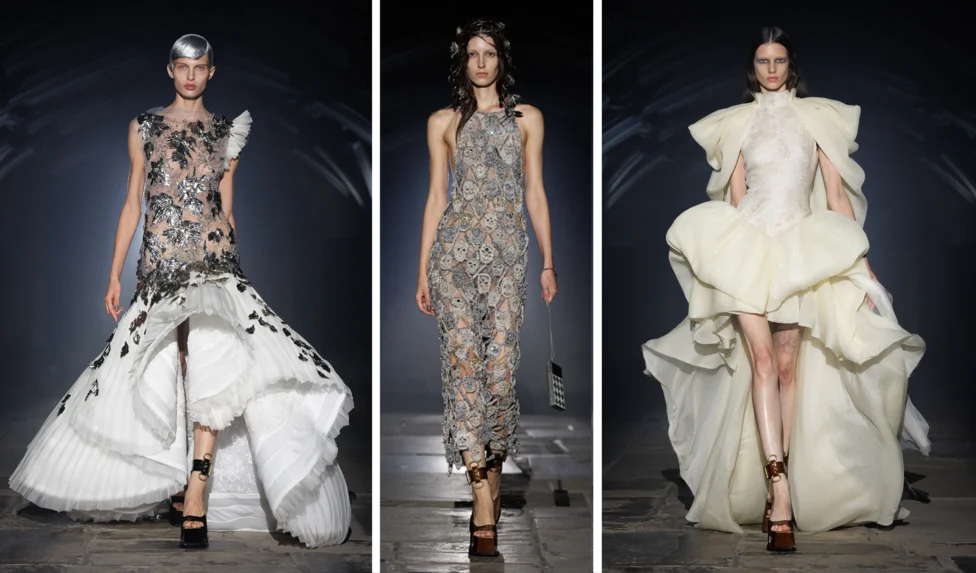
London Fashion Week 2026 has officially wrapped, highlighting a season defined by return and renewal. The event saw the historic homecoming of Alexander McQueen, which returned to London after 25 years in Paris, and a notable comeback from Mulberry following a nine-year absence. Laura Weir, CEO of the British Fashion Council, described the McQueen show as a significant milestone, noting that her team’s mission was to re-establish the event as a hub for both commercial growth and creative ingenuity.
Alexander McQueen’s return featured a dramatic collection by creative director Seán McGirr, showcasing lace corsets, chainmail skull dresses, and devil horns. Meanwhile, Mulberry’s comeback centered on Christopher Kane’s debut for the label, which prioritized leather coats, skirts, and loafers, alongside a focus on the brand’s iconic Bayswater bag.
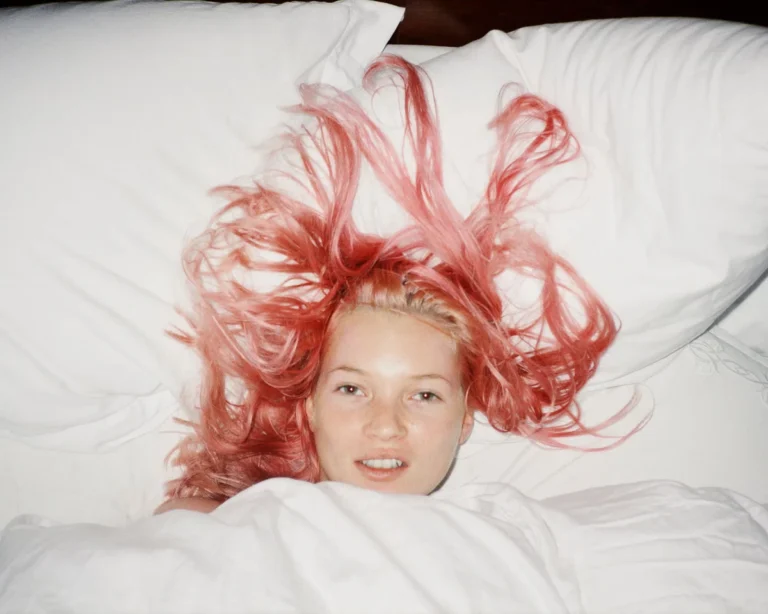
Industry experts, including Elektra Kotsoni, deputy director of Vogue Business and Vogue Runway, identified several key aesthetics set to influence the coming year. A primary trend for 2027 is the “messy girl” look, championed by designers like Chopova Lowena, Sinead Gorey, and Conner Ives. This aesthetic rejects the “quiet luxury” and “clean girl” styles that dominated previous seasons, instead favoring deliberate chaos, intentionally undone tailoring, and messy hair as a form of resilient rebellion.
Gardening has also made an unlikely leap from the allotment to the runway, dubbed “gardencore.” Following the success of Loewe’s watering-can handbag, brands including Erdem, Yuhan Wang, and Bora Aksu have incorporated practical silhouettes like trench coats, aprons, and waterproof materials into their collections. This trend reflects a shift toward designs that mirror tangible world interests rather than minimalist ideals.
The concept of the “modern goddess” also emerged as a major influence, drawing inspiration from ancient Greek styles and the themes found in Christopher Nolan’s recent film, The Odyssey. Pauline Dujancourt led this movement with designs emphasizing volume, flowy fabrics, and delicate slip skirts. This aesthetic, characterized by breezy, bohemian silhouettes, serves as a sharp contrast to the minimalist wardrobes previously favored by fashion week attendees.
In terms of color, shades of orange are predicted to dominate 2027. Designers such as Mulberry, Justin Cassin, Enny Atelier, and Vin + Omi featured tangerine, melon, and coral hues across their presentations. Kotsoni noted that the color is already gaining traction through celebrity styling, including recent high-profile outfits worn by Kylie Jenner and Timothée Chalamet.
Finally, ballet-inspired fashion remains a persistent force. Edeline Lee showcased a collection inspired by the discipline and physical intensity of classical dance, with models walking the runway en pointe in a transformed sports hall. With ballet flats and slim shoe silhouettes expected to stay popular, experts recommend looking to vintage or charity shops to replicate the look. The trend persists despite earlier skepticism, bolstered by appearances of elite dancers like Roberto Bolle and Francesca Hayward in major fashion campaigns for houses like Armani and Chanel. The report also notes that here are some of the major trends to come out of London Fashion Week 2026. The report also notes that she tells: “We’re going to be having a messy girl summer” and says “it’s a reaction to the clean girl and quite luxury aesthetics that took over our Instagram feeds,” last year. The report also notes that mix pastel colours, dreamy florals, and tactile materials to form “unexpected clashes” that “look really messy”, she says if you are looking to replicate this trend. The report also notes that erdem, Yuhan Wang, and Bora Aksu channelled a “gardencore” vibe, trading quiet luxury for unpolished, allotment-ready chaos – pairing parkas and structured trench outerwear with kitchen-garden details. The report also notes that instead of gingham, wicker bags and sourdough starters, it’s all about looking like you’re fresh from planting seeds or operating a lawnmower, a new twist on the cottage-core looks that emerged post-pandemic. The report also notes that kotsoni says “fashion is always a reflection of what’s happening in the world” and likes how designers have been able to “take an interest like gardening and present it as something” tangible in a fashion show. The report also notes that organic draping, trailing ribbons, and delicately hitched slip skirts, dujancourt’s free-spirited aesthetic. The report also notes that whilst some designers have been taking cues from the great outdoors – others have been inspired by film.
Comments