
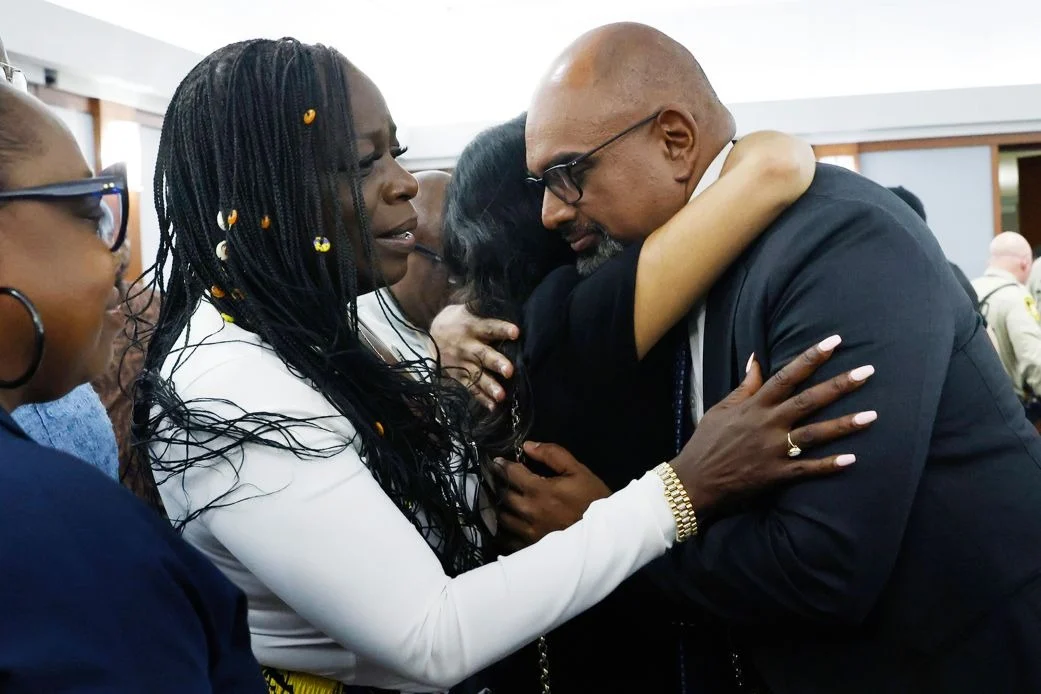
Nearly three decades after the drive-by shooting in Las Vegas that claimed the life of Tupac Shakur, the recent conviction of Duane “Keffe D” Davis stands as a complex, hollow milestone. While the verdict offers a legal conclusion to a case that remained open for thirty years, friends and observers remain split on whether justice can ever truly be served for a life cut short at age 25.
Shakur was at the pinnacle of his stardom on September 7, 1996, when he was shot while riding as a passenger in a BMW driven by Death Row Records co-founder Marion “Suge” Knight. The rapper suffered multiple gunshot wounds, including a fatal injury to his lung. Prosecutors linked Davis to the crime, alleging he was present in the white Cadillac from which the shots were fired. Davis has since been the only person formally charged in the case, following a investigation that relied heavily on his own book, “Compton Street Legend,” and previous interviews with law enforcement.
Legal experts observe that the case was unique, as it largely required Davis to inadvertently implicate himself years after the investigation had stalled. Despite the conviction, the defense maintained during trial that Davis had lied about his involvement in the book to generate sales. Still, for those who witnessed his meteoric rise, the legal outcome fails to address the weight of what was lost. Before his death, Shakur had achieved significant success with hit tracks like “I Get Around,” “Dear Mama,” “California Love,” and “How Do You Want It,” alongside an emerging career in cinema through films such as “Juice,” “Poetic Justice,” and “Above the Rim.”
Author Jeff Pearlman, who wrote “Only God Can Judge Me,” noted that Shakur’s impact extended far beyond entertainment. He argued that the artist’s evolving role as a voice against authority and social injustice suggested he would have pursued a different path, perhaps even entering public office. Producer P. Frank Williams, who worked on an A&E documentary about the killing, echoed this sentiment, noting that the world was robbed of a talent whose influence was only just beginning to mature. He characterized the current sense of justice as “hollow.”
The legal fallout continues as the late rapper’s family seeks further accountability. His stepbrother, Maurice “Mopreme” Shakur, filed a wrongful death lawsuit earlier this year, targeting Davis and other unnamed individuals he believes remain responsible for the crime. In a prior statement to the BBC, Mopreme admitted that the specific brand of justice he desires remains out of reach.
Other figures allegedly involved in the events that night, such as Orlando “Baby Lane” Anderson, Deandre “Big Dre” Smith, and Terrence “Bubble Up” Brown, have all since passed away. Anderson, whose earlier physical altercation with Shakur is widely cited as the motive for the subsequent attack, had long denied involvement before his own death in 1998. With Davis currently standing as the sole convicted party, the chapter on Shakur’s death remains one defined more by the loss of his potential than by the finality of a courtroom gavel. The report also notes that “Justice is good, but it seems hollow, you know?” said P. The report also notes that who produced a 2017 documentary series for A&E about Shakur’s murder which touched on Davis’ alleged involvement, frank Williams. The report also notes that then 25 and at the height of his career, died after a drive- by shooting, sunday marks 30 years since Shakur. The report also notes that some of which became posthumous albums, death didn’t stop his stardom as he left a trove of recordings. The report also notes that shakur, it was believed, was only getting started. The report also notes that “He wasn’t just an artist,” the writer said. “He carried this ethos, speaking up, fighting authority, fighting the power.”. The report also notes that anderson, whose fight with Shakur earlier in the evening is believed to have sparked the shooting, denied being involved in the killing in an interview with prior to his death in 1998 in a gang-related shooting.






Comments