
Higher pump prices and expensive airfares drove UK inflation up to 3.1% in the year to August, rising from 2.9% in July to hit its highest point in five months.
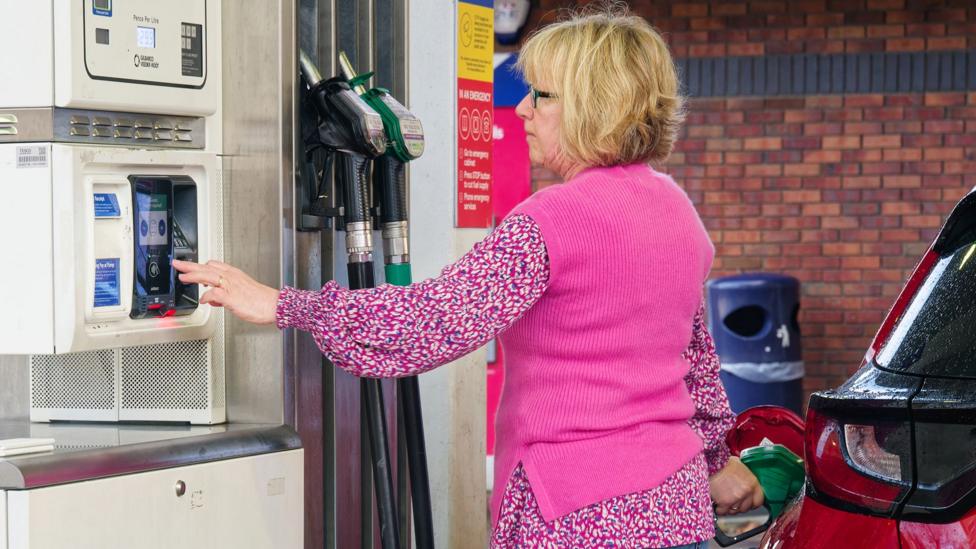
Data released by the Office for National Statistics shows that overall motor fuel costs surged by 23% compared to August last year. Petrol and diesel prices climbed rapidly, with average petrol adding 9.1p per litre between July and August to reach 161.3p, marking the highest rate recorded since November 2022 following Russia’s invasion of Ukraine.
The price increases come as ongoing Middle East conflict continues to disrupt international oil supplies. Crude prices exceeded $91 a barrel as the US-Israel war with Iran persisted, up significantly from around $73 prior to the outbreak of hostilities. Brent crude has since topped $100 per barrel in recent trading days.
ONS chief economist Grant Fitzner noted that rising crude oil and petrol costs simultaneously increased the annual expense of raw materials and elevated output prices for factory goods. Summer holiday airfares also contributed to the upward pressure on consumer prices.
Independent forecasters warn that energy-driven cost increases could ripple through the broader economy. Paul Dales, chief UK economist at Capital Economics, stated that while higher oil costs have not yet expanded into grocery prices—where annual food inflation stayed at 1.3%—”everyone knows that bigger rises in inflation are on their way.”
Dales estimates that the combined effect of elevated oil and gas prices, alongside businesses passing on energy expenses, will push inflation to a peak of 4.2% by January.
Independent forecourt operators are already feeling the financial pinch from wholesale volatility. Goran Raven, owner of the Essex petrol station RJ Raven, said customer volume is down about 20% compared to last year as rapid shifts in oil prices hit small retailers in real time.
“We only have small tanks here, so we need a tanker almost every day at the moment and we have to pay a daily spot price,” Raven explained. “When the price goes up, we have to go up with it. There’s no way around it. The margins here are wafer-thin on fuel… It’s single digits of pence we earn per litre.”
The inflation uptick moves consumer prices further from the Bank of England’s official 2% target. Central bank policymakers meet on Thursday to decide on benchmark interest rates, which currently stand at 3.75%.
Addressing the latest inflation figures, Chancellor John Healey stated that the Middle East conflict is affecting consumer costs internationally, influencing household utility bills, weekly shopping, and petrol pumps. “Despite this serious global uncertainty, our UK economy is proving resilient,” Healey said ahead of delivering his first Budget next month.
Recent economic data indicates the UK economy grew by 0.4% in July, bolstered by artificial intelligence investments. However, broader quarterly expansion slowed to 0.4% between April and June, down from 0.6% recorded in the first quarter of the year. The report also notes that that compares to around $73 just before hostilities began earlier this year. The report also notes that meanwhile, the cost of flying jumped during the key month for summer getaways. The report also notes that higher oil prices also affect forecourts, as well as hitting drivers in the pocket. The report also notes that people like to think we’re earning a lot on it. The report also notes that the rise in inflation means it has moved further away from the Bank of England’s 2% target.



Comments