
Iraq is once again navigating a precarious geopolitical tightrope as the escalating conflict between the United States and Iran threatens to turn the nation into a primary battleground. Since the 2003 U.S.-led invasion, Baghdad has sought to balance its relationships with Washington and Tehran, but this challenge has intensified significantly since the U.S. and Israel engaged in open warfare with Iran this past February.
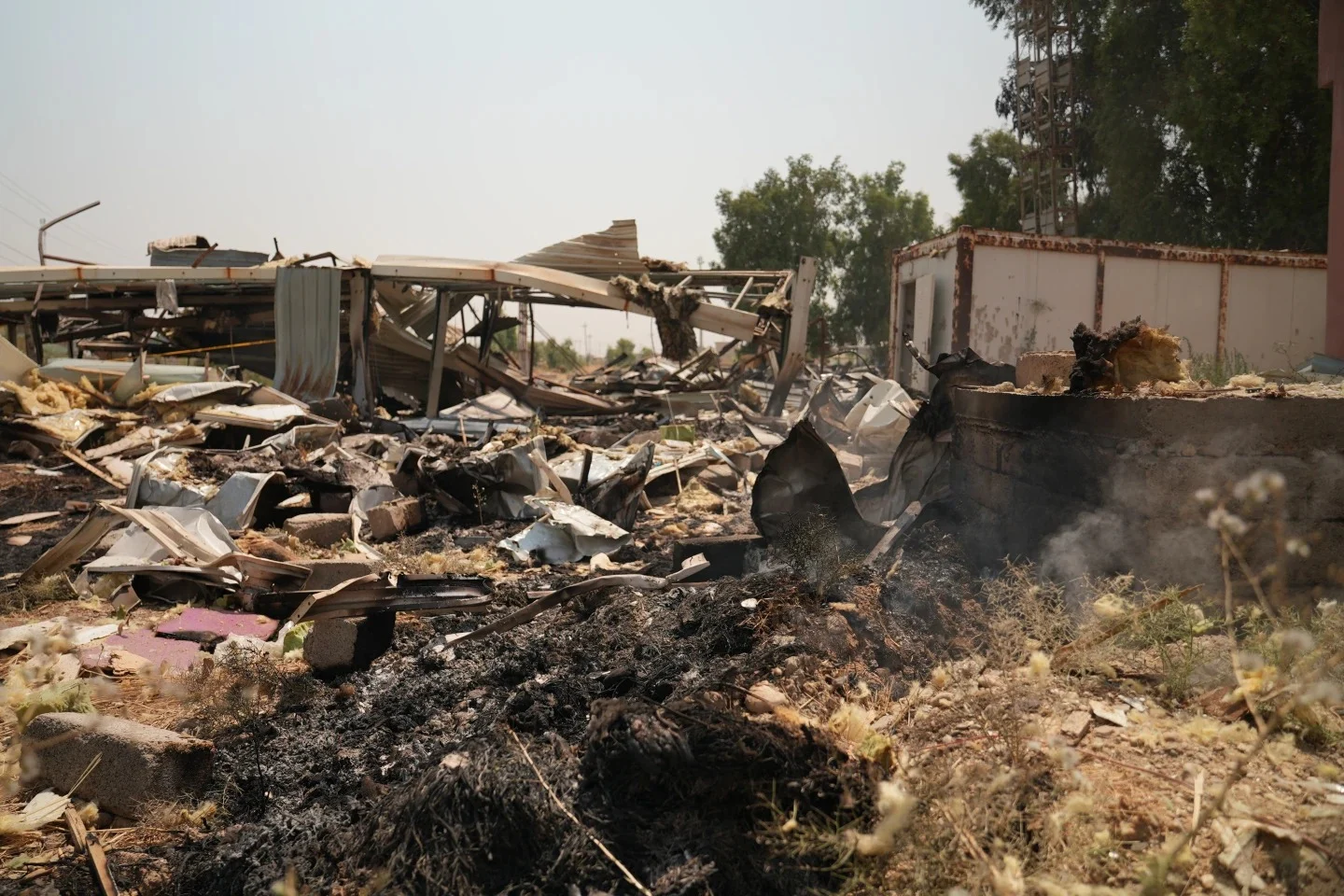
The situation reached a flashpoint following retaliatory strikes by the U.S. and Saudi Arabia against bases belonging to the Popular Mobilization Forces (PMF). The PMF, a coalition of primarily Shiite, Iran-backed armed groups, officially operates under the Iraqi state security apparatus, yet many factions maintain significant autonomy. According to the PMF, the recent strikes resulted in at least 20 deaths and 32 injuries among their ranks.
Tensions were further exacerbated by Saudi accusations that these Iraqi militias were responsible for drone attacks on petroleum facilities earlier this week. The Islamic Resistance in Iraq, an umbrella organization for these factions, dismissed the claims as fabrications intended to mask Saudi military failures in Yemen. Meanwhile, Iraq’s National Security Council condemned the U.S.-Saudi strikes, asserting that they harmed innocent people and undermined state sovereignty while the government was actively investigating the incident.
The fallout has already impacted diplomatic efforts, with Prime Minister Ali al-Zaidi forced to indefinitely postpone a scheduled visit to Saudi Arabia. Al-Zaidi, a political outsider and businessman who assumed office following months of parliamentary deadlock, currently enjoys support from both a coalition of Iran-aligned Shiite parties and U.S. President Donald Trump. However, he now faces the daunting task of reining in the PMF, which originated as a force to combat the Islamic State group in 2014 but has roots reaching back to the post-2003 insurgency.
Although the government has mandated that all non-state armed groups disarm by September 30—the same date set for the withdrawal of U.S. troops—many of the most powerful factions have rejected the order. Lahib Higel of the International Crisis Group noted that while some brigades are technically integrated into the military, they have largely retained their original command structures. Higel emphasized that only a few groups have agreed to the disarmament process, while those identifying as “resistance groups” remain defiant.
The Iraqi government’s dilemma mirrors the challenges seen in Lebanon, where authorities struggle to manage the influence of Hezbollah. Integrating the PMF into the national armed forces remains a theoretical path for some, but groups like the powerful Kataib Hezbollah have shown no intention of yielding. As long as the broader U.S.-Iran conflict persists, experts suggest that these factions will continue to view themselves as integral parts of Iran’s regional network, making a peaceful disarmament process unlikely in the near term. The report also notes that and Saudi Arabia against Iran-allied fighters in Iraq have put Iraq’s government in a delicate position — and not for the first time. The report also notes that the balancing act has only grown more fraught since the U.S. The report also notes that but the Iraqi leader is likely to face mounting U.S. The report also notes that pressure to rein in the PMF, and confronting them directly could lead to internal unrest. The report also notes that the PMF were allies of convenience with a U.S.-led international coalition battling the Sunni extremists, during the war against IS. The report also notes that in 2016, Iraq designated the PMF as an “independent military formation” within the armed forces, but many of the factions remain largely autonomous. The report also notes that 28, Iraqi militias have launched regular attacks on U.S. The report also notes that military bases and diplomatic facilities as well as other sites, including energy infrastructure.







Comments