
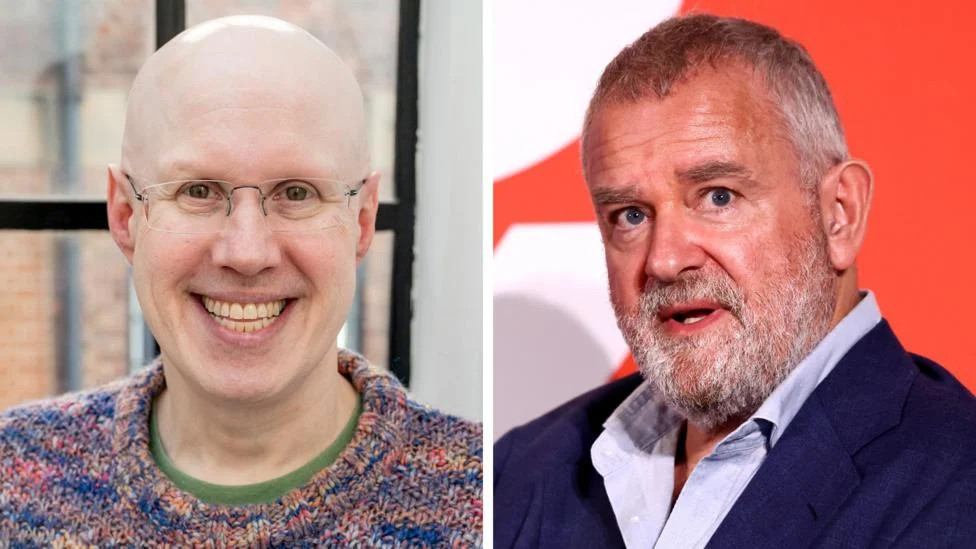
A coalition of more than 80 performers, including actors Matt Lucas, Hugh Bonneville, and Nicola Coughlan, has formally petitioned the UK government to implement legislation granting every citizen a legal right to own their voice. The campaign highlights growing alarm over the rapid advancement of artificial intelligence, which allows for the creation of digital voice clones from mere seconds of audio.
Audiobook narrator and campaign co-founder Alice Sockett described the current landscape as “an existential threat to our entire industry.” Sockett emphasized that her own voice is currently “out there in the public domain but completely unprotected,” noting that instances of voice theft are occurring with increasing frequency.
The signatories are calling on Prime Minister Andy Burnham to take decisive action. Siobhán McSweeney, known for her role in Derry Girls, expressed deep concern that the government is failing to keep pace with technological developments. She argued that while AI could function as a beneficial tool, the industry must prioritize human connection over synthetic alternatives, stating, “Our audiences want that human connection. Not AI.”
The push for regulation follows warnings from legal experts, including Dr. Mathilde Pavis, who stated in June that current UK legislation is “unfit for purpose.” According to Pavis, existing laws fail to provide comprehensive protection for an individual’s voice, face, or identity against unauthorized digital replication.
Other industry figures have joined the cause, including singer Sandi Thom. She emphasized that her voice is a unique part of her identity, noting, “Behind that voice is the emotion, the life, the pain, the tears and joy that I’ve felt along the way. Without creativity, we are nothing.”
In response to the campaign, a government spokesperson acknowledged that while digital replicas can serve as powerful tools for creative industries, they also present significant risks. The government has committed to launching a consultation process to address these harms while simultaneously protecting legitimate technological innovation.
Despite the concerns regarding unauthorized use, the technology has provided profound benefits in specific medical contexts. Yvonne Johnson, who lost her ability to speak due to motor neurone disease, shared in February how AI voice cloning allowed her to reconnect with her family. Similarly, Pam Cronrath of Washington state utilized the technology to create a holographic representation of her late husband, which addressed mourners at his funeral. Reflecting on the experience, Cronrath said that she was “completely impressed” and that the moment “stayed with me.” The report also notes that voice clones are created by training AI on recordings of real people. The report also notes that but high-quality copycats tend to require hours, quick versions can be made in minutes from a few seconds of audio. The report also notes that with Derry Girls actress Siobhán McSweeney saying she was “deeply worried” that the government was lagging behind, more than 80 performers have signed the letter. The report also notes that other signatories include those working in other performing industries, as well as actors.



Comments