
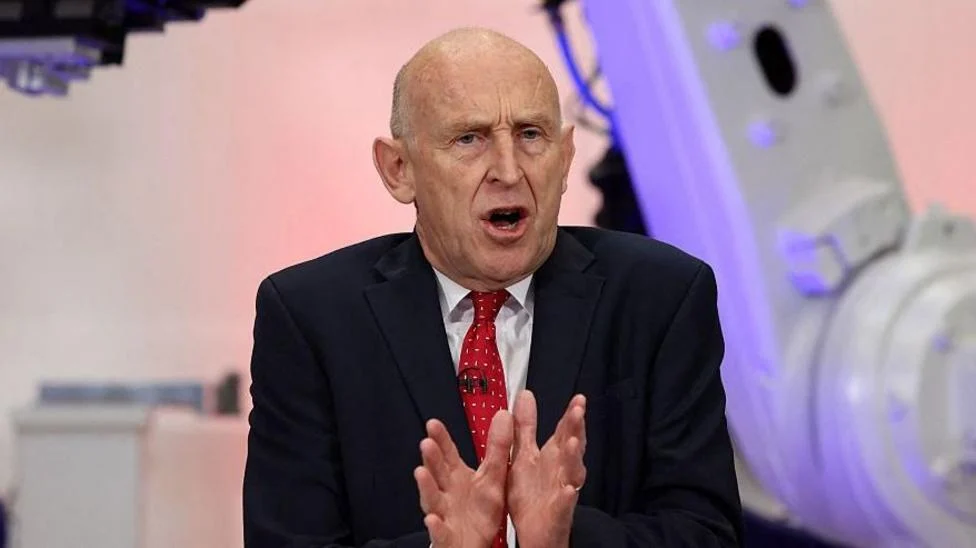
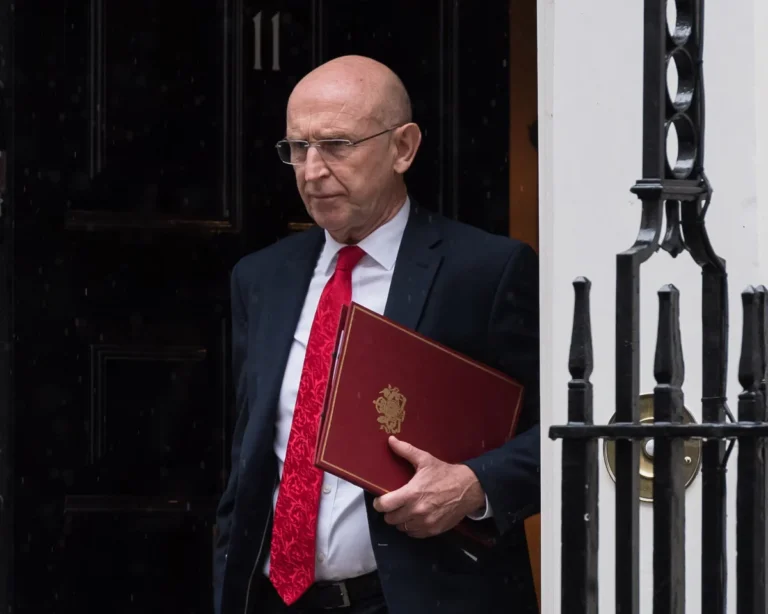
Chancellor John Healey is preparing for his inaugural Budget on 28 October, facing significant economic hurdles. While he maintains confidence in Britain’s future, he has acknowledged that current conditions are tough, citing how global conflicts and uncertainty are driving up both inflation and interest rates. We’ve got good reasons to be confident about the future of Britain,” he insisted. Announced on Saturday, was aimed at boosting confidence in the economy, the new scheme to try and help young people get on the property ladder.
Economic indicators have shifted noticeably since Healey took office. In his initial weeks, oil prices dropped as low as $75 a barrel, and 10-year government bond yields were at 4.9%. More recently, oil has frequently traded above $100, with yields climbing to approximately 5.4%. This represents a challenging double blow for the government as it finalizes fiscal policy.
The first major decision involves determining how long the economic strain caused by the Iran War might persist. There is potential for a quick reversal; energy prices and bond yields fell sharply earlier this summer following signs of de-escalation. At the UN General Assembly this week, both US President Donald Trump and Iranian President Masoud Pezeshkian suggested that the war’s end could be linked to the US midterm elections. The Iranian leadership indicated they hoped to avoid an impact on the 3 November vote, which takes place only six days after the UK Budget. Because a peace settlement remains plausible but uncertain, Healey must decide whether to plan for a prolonged conflict or risk a strategy based on a premature resolution. It is tough,” John Healey admitted to me earlier this month when I asked him if there had been too much doom-mongering. Yet there is something unusual about this energy shock.
One available lever is to allow borrowing to absorb some pressure, potentially by utilizing part of the £24bn in headroom left by his predecessor, Rachel Reeves. Since the government plans to measure this headroom over a three-year window rather than four, there is a strategic argument for using this flexibility.
The second major consideration is maintaining the recent uptick in public and business sentiment, often referred to by some data firms as a “Burnham bounce.” Consumer confidence has reached a two-year high, particularly among younger demographics. While business optimism is also showing signs of improvement—possibly due to earlier dips in energy costs—it remains tempered by expectations of potential tax increases. The Institute of Directors noted that this renewed optimism is occurring despite the current government’s policies rather than because of them.
The chancellor faces a delicate balancing act in reconciling these improved spirits with the necessity of a “challenging” Budget. Furthermore, he must assess whether the recent volatility in global bond markets is solely due to the Iran conflict or if there are deeper, structural causes at play. Markets are currently being influenced by intense competition from global AI businesses and ongoing domestic political and economic uncertainty. As one senior former Treasury adviser warned, at such a time, avoiding exposure to extreme market vulnerability is critical.






Comments