
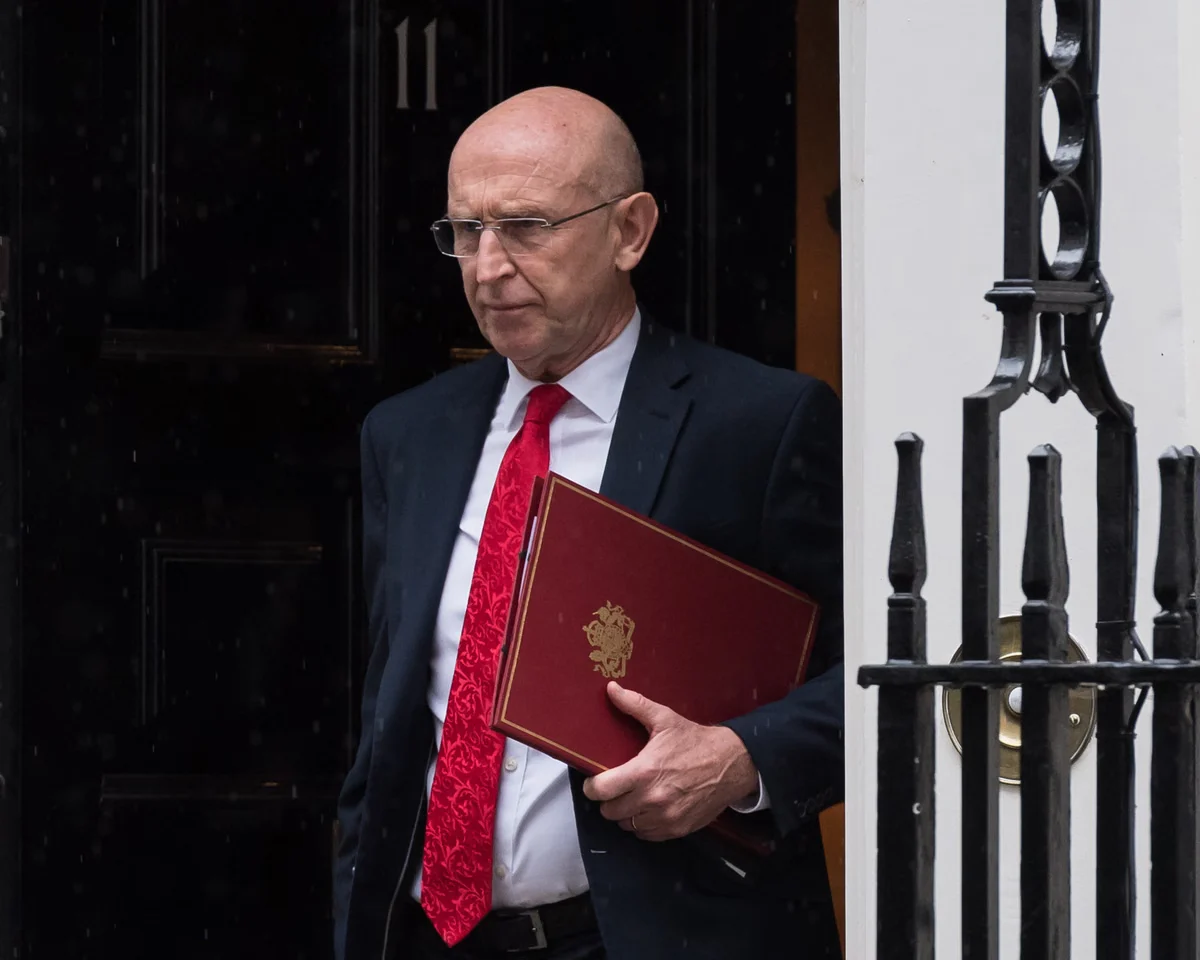
Ravinder Athwal, the economist recognized for drafting Labour’s 2024 manifesto, is joining the Treasury as a senior special adviser to John Healey. The appointment, confirmed ahead of the 28 October budget, is being viewed by political observers as a significant move that could signal government preparations for an early general election. Athwal, a Cambridge-educated economist who previously served in Keir Starmer’s Downing Street team, was instrumental in shaping the party’s five core “missions.” But it is widely agreed that it has restricted the party’s room for manoeuvre once in power. One left-of-centre economist said: “I’d say he was at the more interesting and curious end of the Starmerite project.”.
Healey recruited Athwal from Flint Global, a business advisory firm formerly managed by James Purnell, the ex-Blair-era cabinet minister and current chief of staff to Andy Burnham. A source close to the Chancellor described the addition of Athwal as “invaluable,” citing his background as an experienced heavyweight economist. His arrival is anticipated to provide essential counsel as the Treasury navigates a challenging economic landscape defined by high government borrowing costs and elevated global oil prices. One former colleague described him as “nice and clever – a good combination”.
Speculation regarding a snap election has gained momentum in Westminster following a recent polling bounce for the party. Within this context, Athwal’s expertise in manifesto development is seen as a strategic asset should the Prime Minister opt to craft a new policy platform. However, his appointment has also sparked internal debate, with some figures expressing concern that the Treasury is leaning too heavily into a “continuity Starmer” economic approach, which critics argue has limited the government’s fiscal flexibility.
The manifesto’s original pledge to avoid raising income tax, VAT, or national insurance—while vital to the party’s landslide victory two years ago—is increasingly viewed as a constraint on economic maneuvering. Despite these concerns, those familiar with Athwal suggest his time at Flint Global and his previous stint as a Treasury civil servant have left him with a nuanced perspective on the challenges of governance.
The Treasury’s team is undergoing notable restructuring. Neil Amin-Smith, a former Clean Bandit violinist and key economic adviser to Rachel Reeves, has transitioned to Burnham’s office in Downing Street. Meanwhile, Healey has retained some of Reeves’s advisers, such as Spencer Thompson, and previously brought on Will Straw to serve as his chief of staff. Athwal is expected to officially begin his role next week.
Healey’s upcoming budget occurs under significant fiscal pressure. With inflation and rising interest rates eroding the financial headroom built into the spring forecasts, the Chancellor must balance promises of a “buffer against uncertainty” with the reality of limited resources. Sources indicate a preference for a “focused” budget, with broader tax and spending decisions likely deferred until a comprehensive review next year, following the publication of Burnham’s 10-year development plan. Restoring the cushion in full would be likely to require large tax rises or spending cuts, depending on the Office for Budget Responsibility’s forecasts.
Regarding defense spending, Healey has clarified that he does not intend to set a firm timeline for hitting the 3% of GDP target during this budget, despite his public insistence in June that the goal should be achieved by 2030. Furthermore, as global energy prices fluctuate, the government is actively developing plans to provide consumer support for rising bills, though officials suggest this aid will be significantly more targeted than the universal measures introduced by Liz Truss in 2022. For example – a target he insisted, when he resigned from Starmer’s government in June, must be met by 2030, healey has made clear he does not intend to set a timetable for when the UK will spend 3% of gross domestic product on defence at the budget. According to treasury sources have, Officials are working “at pace” on options for consumer support, though help is expected to fall far short of the costly universal approach taken by Liz Truss in 2022.







Comments