
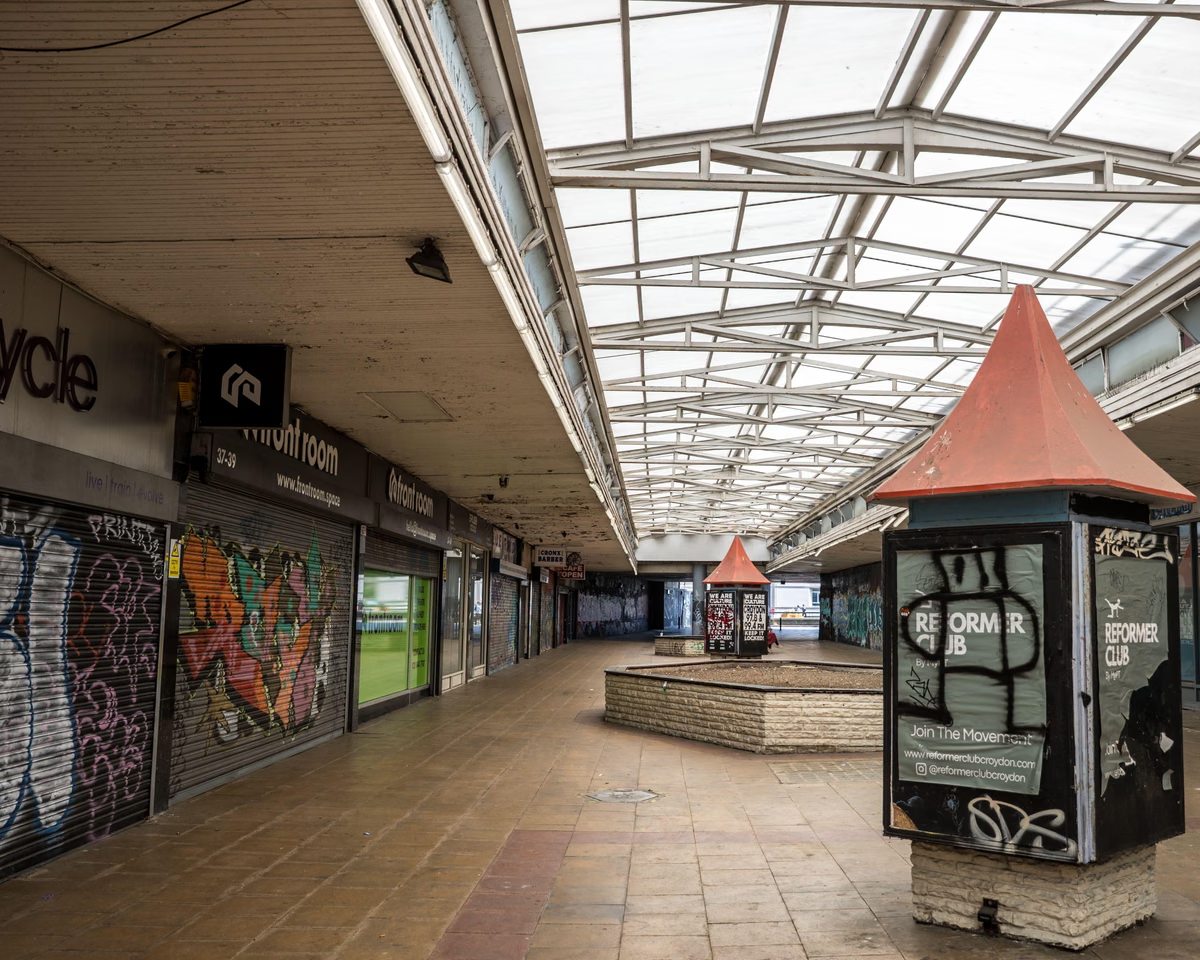
The UK government has announced a £210m investment aimed at regenerating struggling high streets. This initiative focuses on repurposing boarded-up shops, pubs, and clubs, converting them into useful local infrastructure such as cafes, community hubs, and shared workspaces. Are shops opening or are the shutters down.
Andy Burnham stated that these funds are designed to “help put power back into the hands of locals who know their area best” as part of a broader mission to “restore pride and bring hope back” to communities. He emphasized that for many citizens, economic growth is measured by the vitality of their local high street rather than macroeconomic spreadsheets.
A significant portion of the package, £125m, will form a derelict buildings fund. This will empower local councils to revamp abandoned sites, including disused cinemas and empty shopping centres, into essential facilities like health centres or community halls. Does the place feel like it’s moving forward or being left behind.
An additional £65m is earmarked for communities across England to rescue and refurbish at-risk businesses and buildings, specifically targeting pubs and clubs. A further £20m will be split equally between supporting co-operative ownership models for vital local venues and funding council-led rental auctions for properties that have sat vacant for over a year.
This initiative complements the existing £5.8bn pride-in-place programme, which provides 284 deprived communities with up to £2m annually over a decade. The government intends to publish a comprehensive high streets strategy later this year to further support the transformation of town centres. It is in addition to the existing £5.8bn pride-in-place programme that is handing 284 deprived communities up to £2m a year for 10 years towards local regeneration projects.
High streets across the UK have faced severe pressure due to a permanent shift toward online shopping and rising costs for labor, taxes, and energy. Research from the University of Southampton indicates that residents perceive their local high streets as the most declined aspect of their neighborhoods over the last ten years, exacerbated by the collapse of major chains and increased shoplifting. The cost of living crunch has also prompted people to rein in spending on non-essentials and driven a shift to dining and drinking at home instead of spending on eating out. But by giving them the power to see and feel the difference where they live.”, not by telling people things are getting better.
The emphasis on co-operatives has been welcomed by industry leaders. Rose Marley, chief executive of Co-operatives UK, described the specialist fund as “a game changer.” While the Labour party previously pledged to double the number of co-operatives, growth remains modest, rising just 0.4% last year to 8,005.
Despite challenges in the hospitality sector, the number of co-operative pubs has increased by 48% over the past five years, though they currently represent a small share of the market with 377 businesses. Marley noted that the new funding demonstrates a government understanding of how providing agency to local communities and fostering collaboration between business and government leads to positive outcomes. Co-operative pubs are on the rise – up 48% in the last five years – but they remain a tiny fraction of the industry with just 377 pubs and other hospitality businesses in the UK at present, amid difficult times in the hospitality sector.







Comments