Major high-street retailers that dominated the early 2000s are reinventing their market strategies to survive intense competition from ultra-cheap online rivals and the rising influence of conscious consumerism. Brands including Gap, Marks & Spencer, and Topshop are moving away from purely trend-driven, low-cost models, instead adopting tactics typically associated with luxury fashion houses to better engage a more sophisticated customer base. This time, rather than focusing solely on trend-led affordable designs, the names familiar to any shopper are courting luxury fashion, A-list collaborations and enhanced services in an attempt to engage consumers.
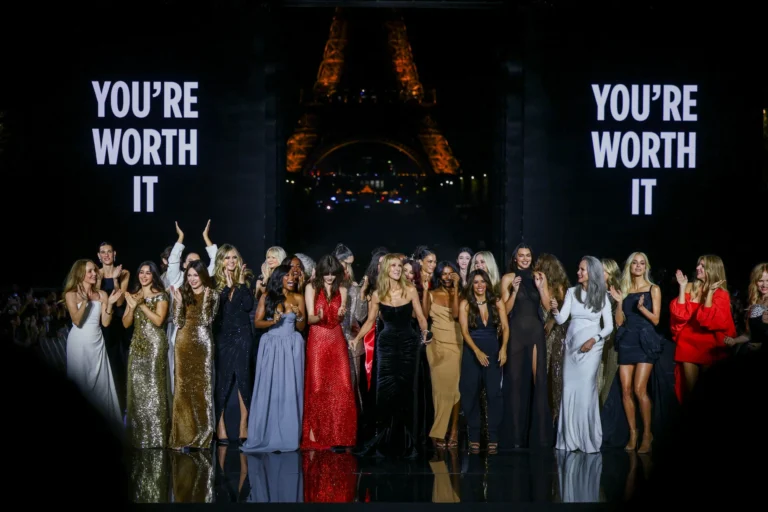
The shift is visible in high-profile collaborations and experiential retail. Gap recently launched a partnership with Victoria Beckham, while M&S hosted a headline-grabbing catwalk show during London Fashion Week. The event, which featured celebrities like Joan Collins and the Gallagher family, allowed shoppers to purchase items immediately, with half the collection priced under £50. Similarly, Topshop has expanded its reach since its relaunch last year, establishing concessions within 30 John Lewis stores and the luxury retailer Liberty.
Lisa Illis, head of design at M&S, stated the catwalk show was designed to make the excitement of London Fashion Week accessible to everyone. She credited the strategy of offering more fashion-informed seasonal collections with a 16% year-on-year increase in customers under 35. M&S has maintained a focus on sustainability alongside value, aiming to create pieces with long-term appeal, though the brand must navigate the ongoing challenge of the average garment being discarded after only seven wears. At M&S, which first launched its eco-commitments in 2007, value and sustainability are not competing priorities. “By designing pieces with longevity in mind, from everyday wardrobe staples to more fashion-led seasonal co. Retailers are always up against changeable consumer behaviour – and damning statistics like the estimate that a garment is on average worn seven times before it is thrown away, but regardless of making more enduring styles.
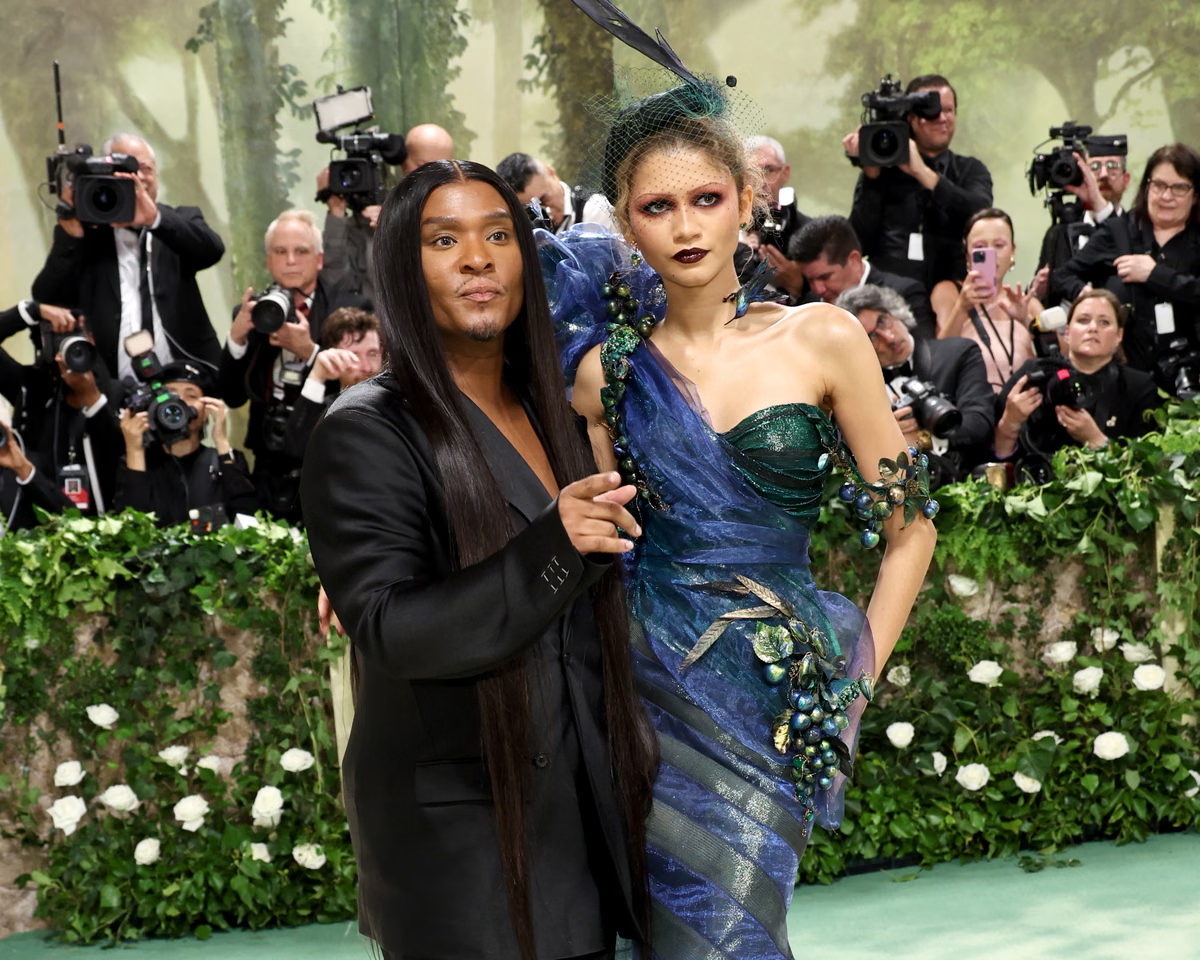
Technology plays a critical role in this retail evolution. Asos has appointed stylist-in-residence Law Roach—famed for his work with Zendaya—to influence both advertising and product curation. Vanessa Spence, Asos’s executive vice-president of brand, noted that research shows 68% of consumers prioritize guidance on how to style clothing. To address this, Asos has implemented AI stylists, virtual try-on technology, and a Buy the Look feature that allows users to purchase entire outfits at once. Whose clients include Zendaya, has been appointed stylist-in-residence at Asos, where his influence will be felt not just in advertising campaigns, but also through his suggestions on different items from across the site to wear together, the Hollywood stylist Law Roach. We hope what we’re giving people is greater choice.”.
This digital pivot comes after a period of financial instability for Asos, which saw sales fall 12% in August of last year. Following a cost-cutting initiative that included implementing return fees, the company reported a 50% profit growth this March, although the long-term impact of a cyber-attack earlier this October remains to be seen. Part of their strategy includes an extensive adaptive collection for disabled shoppers, developed alongside the consultancy Tilting the Lens. Founder Sinéad Burke highlighted that the line allows for versatile, customizable wardrobes with items priced at £65 or less, addressing the critical role of affordability for disabled consumers, 46% of whom are currently out of work in the UK. According to the company worked with disabled consultancy Tilting the Lens on the range. “There is an ability to develop, even for yourself, a capsule collection,”, Founder and disability advocate Sinéad Burke, who has achondroplasia, the most common form of restricted growth. “It’s not just one suit, it’s not just one skirt, you can customise the pieces. Crucially, these items are affordable – nothing is more than £65 – which is particularly important for disabled people, 46% of whom are not in work in the UK. “Whenever we’re looking at shopper attitude, cost is absolutely king,” confirms Baynes. Including charging for returns, helped the site turn a corner, and they announced a 50% growth of profits this March, although the impact of a cyber-attack at the beginning of October is yet to beco, a cost-cutting drive.
Retail consultants note that these brands are effectively balancing consumer aspirations with economic reality. By borrowing cultural cues from luxury labels, retailers are meeting shopper demands for style without abandoning competitive pricing. However, industry observers warn that the gap between high-street and high-end remains significant, particularly regarding fabric quality, as many mass-market pieces still rely heavily on synthetic fibers.
The changing landscape also reflects a decline in corporate transparency regarding environmental credentials. Fashion commentator Andrea Cheong observes that brands are de-emphasizing sustainability messaging due to a combination of campaign criticism, economic pressure, and a general rise in conservative sentiment. Cheong argues that Gen Z and millennial shoppers are increasingly disillusioned and well-informed, frequently turning to second-hand platforms like Vinted—now the UK’s third-largest retailer—to find better value. According to cheong, A lot of gen Z and millennial customers are also shopping secondhand, with resale app Vinted now the third biggest retailer in the UK. “I would say 70% or 80% of my audience are 25 to 35 and they are really.
Ultimately, these initiatives signal an acknowledgment that the modern shopper is highly skeptical. As retailers scramble to regain market share, the success of these luxury-inspired tactics hinges on whether they can provide genuine, enduring value to a demographic that is increasingly aware of the difference between high-street accessibility and luxury quality.