President Donald Trump is navigating a political challenge strikingly similar to the one that defined his predecessor’s tenure. Although the current economic statistics are not inherently negative, a persistent disconnect between headline data and the public mood continues to frustrate the administration. The economic numbers aren’t necessarily bad – but the public mood is.
This sentiment shift previously haunted Joe Biden throughout 2024, as strong economic reports failed to sway voters who felt the economy was not serving their personal financial needs. Now, the Trump administration finds itself managing a comparable narrative battle.
During his 2024 election campaign, Trump vowed that he would provide immediate relief from rising costs, famously declaring, “When I win, I will immediately bring prices down.
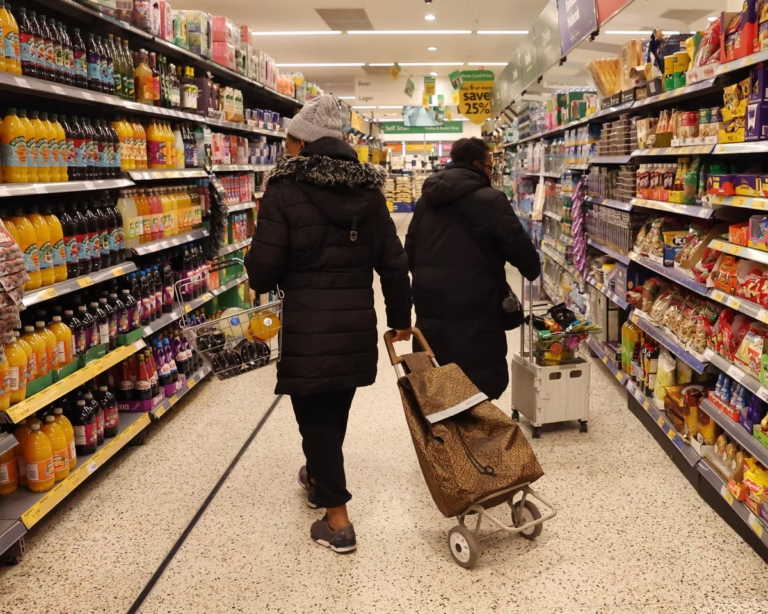
However, fulfilling this pledge has proven more complex than anticipated. While the stock market remains near record highs and unemployment is steady at 4.2%—a figure that suggests a resilient labor market—voters are primarily concerned with the immediate reality of household expenses, such as grocery and petrol prices. Delivering on that promise has proved harder than expected.
Economic drivers for the current situation differ from the post-pandemic recovery era that dominated the previous term. Today, higher energy costs are linked to the ongoing US-Israel conflict with Iran, alongside the downstream effects of various trade and immigration policies. Despite these headwinds, the US economy maintains a growth rate of 2.2%, a performance that remains respectable when compared to many other wealthy nations, such as Germany.
Trump maintains that he inherited a difficult economic landscape from Biden, frequently highlighting investment levels and growth as proof that his current policies are effective. Conversely, White House spokesman Matthew Middleton recently stated that the administration’s “aggressive, pro-growth economic agenda” has successfully countered the inflationary crisis inherited from the previous administration. The White House is confronting a familiar dilemma.
Supporters of the current economic direction, including commentator Larry Kudlow, describe the ongoing expansion as “the greatest story never told.” Kudlow emphasizes that the labor market remains robust, noting that “nobody is getting fired.” Regardless of these arguments, the latest inflation report confirms that for the average American voter, the cost of living remains the primary metric for judging the health of the nation’s economy ahead of the midterms.