
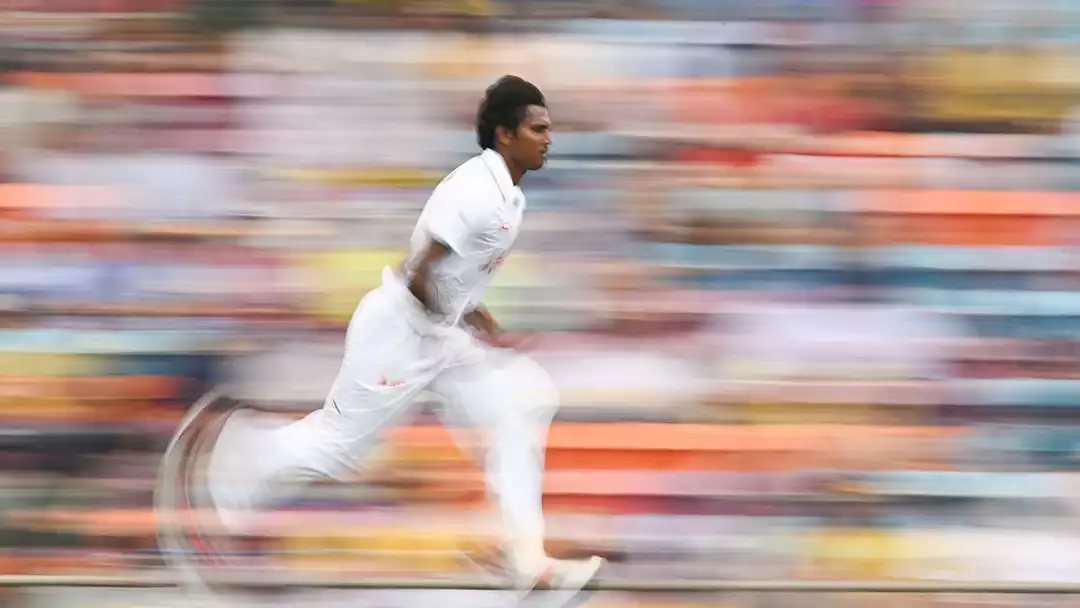
Hasan Mahmud is often described as an unconventional fast bowler, not because of his technical skills, but due to his temperament. The 26-year-old is known for being remarkably polite, sometimes appearing hesitant to celebrate wickets for fear of offending the opposition. Despite this gentle nature, he remains a fierce competitor on the field. His reverence for the game is evident in his interactions with legends; during a recent county stint with Kent, he was too intimidated to approach James Anderson, a childhood idol. This humility was on display again at the Marrara Oval on Thursday morning when he stepped aside to clear the path for Mitchell Starc as the veteran Australian pacer walked across the pitch.
This respectful gesture underscored the significance of the tour for Bangladesh. Captain Najmul Hossain Shanto had emphasized that a primary goal for the team was to earn the respect of their hosts, hoping to avoid another 23-year gap before their next Test invitation. “If we can play competitive cricket, they’ll definitely invite us again in the future,” Shanto had noted. By the end of the day, the visitors had achieved far more than just respect, delivering a performance that commanded the attention of the global cricketing community.
Hasan Mahmud, arguably the world’s most polite fast bowler, spearheaded a bowling attack that left Australia struggling. While he rarely exceeds 130 km/h, his unerring length control and skiddy pace consistently troubled the Australian lineup. He initially dismissed Jake Weatherald after inducing a loose shot outside off-stump, then cleaned up Travis Head by skidding a delivery through his defenses. Hasan eventually claimed a five-wicket haul, including the prized scalp of Steve Smith, who fell after a lone-handed effort.
The Bangladeshi bowling unit, coached by Phil Simmons, operated with a collective discipline that mirrored the traditional Australian approach. Taskin Ahmed and Ebadot Hossain provided excellent support, consistently hitting the 6-8 meter length that has long been the hallmark of Australian pace legends. Ebadot was particularly threatening, creating constant pressure on Smith and Head. Although a low catch by Tanzid Hasan off Smith was missed when the batter was on two, and a controversial DRS review found no spike on a potential edge, the visitors remained relentless.
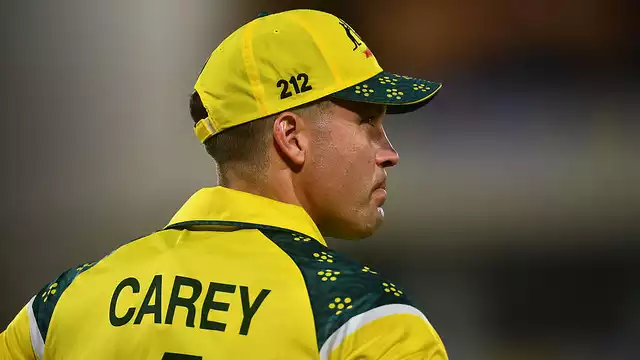
Taskin Ahmed delivered what was arguably the day’s best ball to remove a well-set Alex Carey, effectively opening up the Australian innings. The hosts, who were bowled out for 198, faced significant scrutiny regarding the form of batters like Marnus Labuschagne and Cameron Green, whose dismissals only added to the pressure. The expectation at Marrara had been that the Australian pace trio of Starc, Cummins, and Hazlewood would dominate, but the Bangladeshi top order countered with remarkable grit.
Tanzid Hasan and Mominul Haque displayed immense discipline, mirroring the resolve shown by their bowlers. They adopted a strategy of defending with intent while capitalizing on scoring opportunities, even taking the attack to Nathan Lyon. By playing within their limitations and utilizing their resources effectively, the Bangladeshi batters ensured their side remained in control throughout the day.
This performance marked a turning point for Bangladesh, as they dictated terms on Australian soil for the first time in nearly a quarter of a century. By beating the hosts at their own game—through sustained pressure and hard-fought cricket—the visitors left the Australian side visibly stunned. It was a red-letter day for the team, proving they could compete and thrive in conditions that have historically been among the most challenging for touring nations.
There is a certain reverence that comes through in the way the 26-year-old talks about his fast bowling idols and also the way he acts around them.
To the extent that their captain Najmul Hossain Shanto had spoken about how one of the main missions of the tour for his team was to earn the Australian team’s respect so that they’d no longer wait another 23 years to sc
In turn they ended up garnering the attention of the entire cricket world who stood as one to applaud what was one of the finest Day 1 displays from a visiting team on these shores in a long time.
He still of course loves getting them out and thrives on it.
But Hasan couldn’t get himself to walk up and have a word with the English cricket legend who he’d admired greatly since his childhood.
And he stepped away to make room for the veteran Australian pace dynamo with what seemed like a subconscious show of pure respect.
It was a sweet moment, but also indicative of the gratitude the visitors have shown around being invited back to Australian soil for this historic Test tour.
To the extent that their captain Najmul Hossain Shanto had spoken about how one of the main missions of the tour for his team was to earn the Australian team’s respect so that they’d no longer wait another 23 years to schedule their next Test tour here.
Yes, we’ve only had one day of cricket so far in this series and there’s every possibility that Australia might fight back into the contest.
And there is also the fact that the question marks that the hosts had brought into this series with regards to some of their batters — Marnus Labuschagne and Cameron Green in particular — have only become bolder and more ominous after their latest ordinary dismissals.
In lieu of which they managed to wear Australia down in similar fashion to which Australian teams have done to all comers for generations on home soil.
Not quite the quickest, and more in the Michael Neser mode, Hasan rarely even hits the mid 130s with any great regularity.
But what he does make up for raw pace with is his unerring length control and his natural skiddiness off the surface, which rushes batters into mistakes.
Both batters having spent nearly an hour if not slightly more in the middle.
Ebadot, the tall and angular fast bowler, was probably the most threatening bowler of the lot, and really got under the skin of both Head and Smith as they tried to establish themselves.
He should have had Smith out on 2 as well if Tanzid Hasan had hung on to a low catch at third slip.
And there was the controversial DRS decision where Smith was convinced he had edged a delivery to the wicket-keeper but RTS insisted there was a no spike.
But like the other two, Ebadot’s approach was all about slamming the ball on the 6-8 meter length over after over, much like the hall of fame Aussie pace trio do and getting every bit of what was on offer from the surface.
What was even more impressive about the Bangladeshis with the ball was how they continued to thwart any semblance of a fightback over and over again.
Even as Smith continued to wage his solo battle before attempting a wild hoick and becoming Hasan’s fifth victim later in the innings.
This wasn’t Bangladesh simply competing.
Through sheer grit and commitment of the hard graft and grind.





Comments