
Eight years ago, I held a position as a waitress at a fine-dining establishment in the Cotswolds. The venue was meticulously curated, featuring a farm-to-table menu, dim lighting, and ambient music. Despite the sophisticated atmosphere, I found the experience deeply unpleasant. My struggle to recall wine pairings often led to awkward silences, and my footwear caused physical pain during long shifts. When I inevitably forgot an order during a busy service, the kitchen staff would frequently shout at me and shake the ticket in my face.
My tenure at the restaurant reached a breaking point a year in when I accidentally spilled water into a diner’s lap while attempting to clear her plate of oysters. The guest reacted with shock, and the resulting scene left me frozen in embarrassment. I fled the dining room in tears, leaving a colleague to handle the situation. That incident convinced me to resign. The experience was so damaging that I spent my university years living frugally just to avoid returning to the industry, even insisting on meeting dates at pubs to avoid the anxiety of formal dining environments.
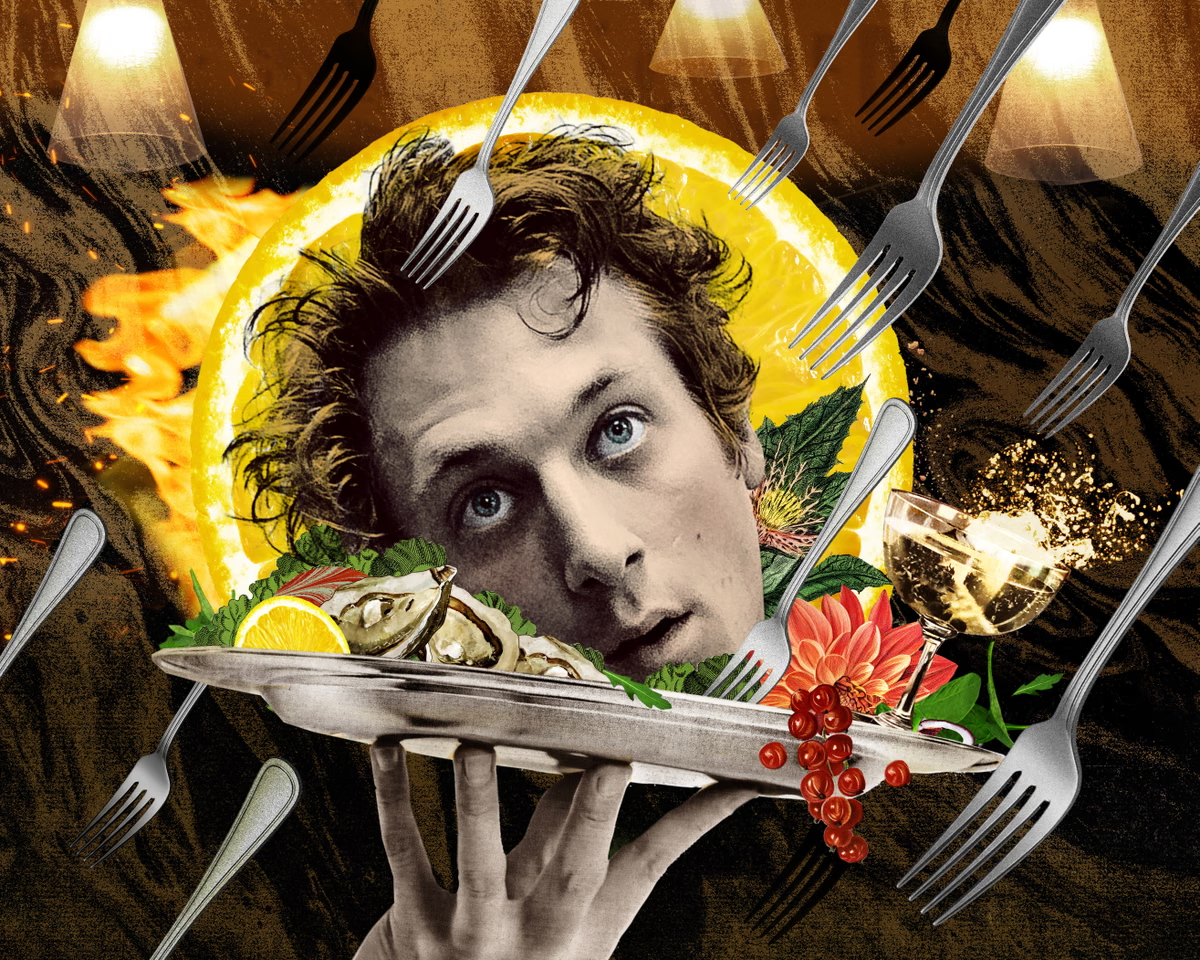
Years later, I encountered the FX series The Bear, which initially triggered a visceral, panic-stricken response. My boyfriend was watching the first series’ acclaimed, 18-minute, mostly one-shot episode titled “Review,” in which a kitchen descends into total chaos. The familiar sounds of slamming doors, shouting, and the constant whirring of a ticket machine immediately transported me back to my own worst shifts. I was particularly struck by the protagonist, Carmy, played by Jeremy Allen White, whose curly hair, white T-shirt, and stony expression mirrored my former head chef.
Despite my initial reluctance, curiosity eventually took over. I found that the show’s honest, comedic portrayal of high-pressure kitchen environments allowed me to view my past experiences with more humor than trauma. I even began to take pride in explaining industry terminology like “turns” and “covers” to my partner. The second series episode “Forks” proved to be the turning point for my perspective on hospitality. In it, the abrasive character Richie is tasked with polishing forks at a high-end restaurant, a chore he initially resents.
As Richie learns to find purpose in the small details and respects the craft of service, he experiences an epiphany regarding the satisfaction of helping others. This narrative helped me realize that the high standards at my old job were rooted in the idea that small flourishes could genuinely improve a guest’s day. I understood then that I needed to stop viewing all work as a burden.
This shift in mindset has stayed with me as I have transitioned into a career as a writer. Whether I am facing rejection or working long hours to meet a deadline, I now approach my tasks with a sense of purpose and effort. I have even returned to my old restaurant as a customer, making a point to treat the staff with extra kindness. Ultimately, the show helped me reframe my past, turning what were once my most mortifying memories into the best stories I have to tell.









Comments