
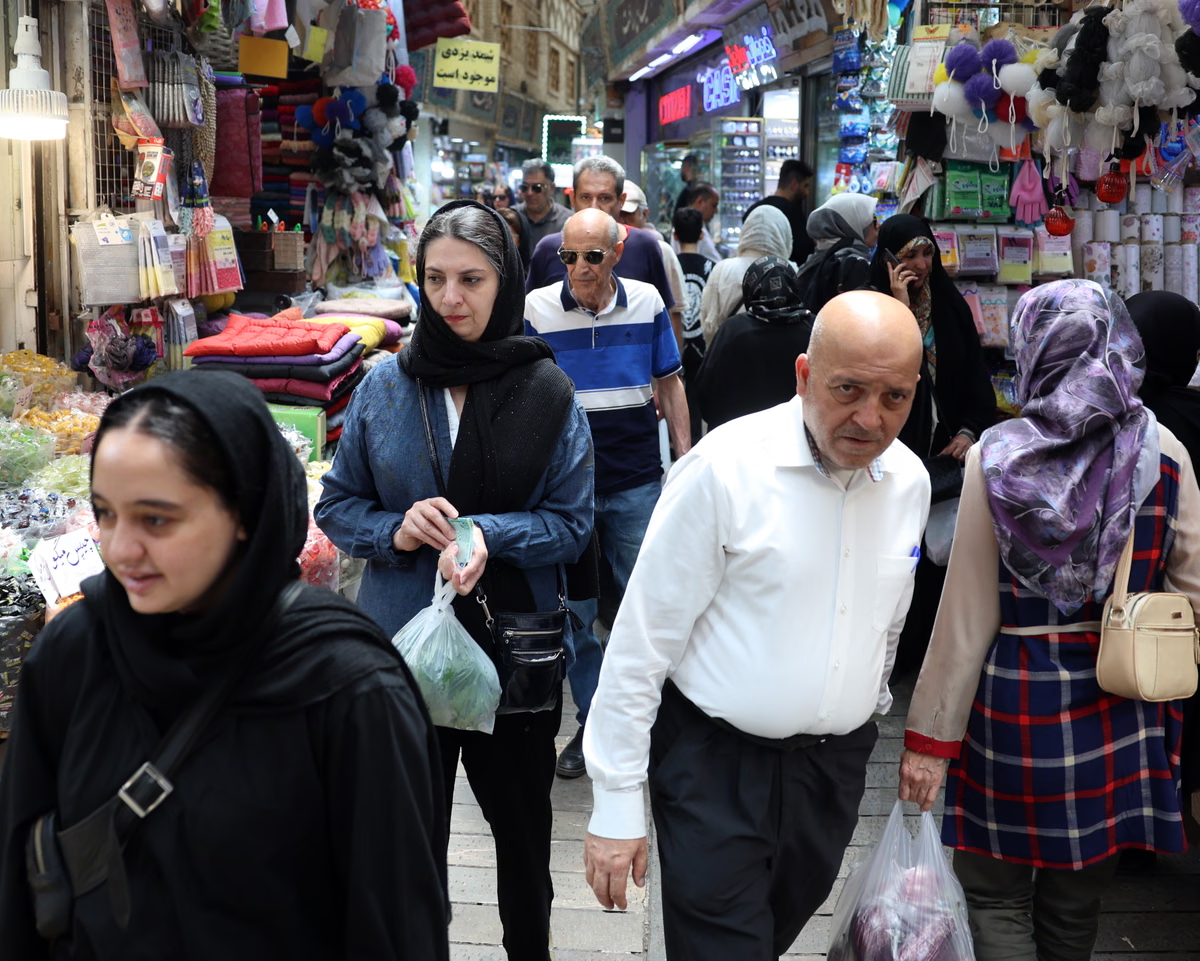
For many Iranians, the introduction of the new US sanctions campaign, dubbed Operation Economic Outcast, feels redundant given the already dire state of the nation’s economy. The country is currently grappling with runaway food inflation, a severe lack of foreign exchange reserves, and a currency that continues to depreciate rapidly.
The financial strain is reflected in stark market data. By August 23, the US dollar reached a record high of approximately 2 million rials on Iran’s open market. Shortly thereafter, Iran’s statistical centre reported that year-on-year inflation for August had hit 84.4%, with a rolling annual average rate of roughly 65%.
Basic staples have become increasingly unaffordable for working- and middle-class families. Compared to the previous year, the cost of vegetable oil in August surged by 383%. Other essential items saw similar spikes, with eggs rising by 294%, chicken by 177%, and red meat by 148%. According to the Mehr news agency, demand for red meat plummeted by 50% in April 2026 compared to the same period in 2025, while a sudden surge in potato consumption has led to widespread shortages.
The human cost of this decline is profound. Iranian feminist Golshan Fathi noted that basic goods are now out of reach for many, stating, “They don’t understand that people can no longer afford even a normal life.” Biomedical engineer Mohsen Zavaar added that for many, the struggle is no longer about major life investments but about basic survival, such as cutting out meat, delaying medical treatments, and scraping by until the end of the month. “The people don’t want miracles – they want decisions,” he said.
The crisis has also manifested in severe fuel shortages. Long queues of vehicles have blocked streets in Tehran and Mashhad as motorists struggle to find petrol. While some officials attributed the lines to panic buying or damage to oil depots from Israeli strikes, others are debating a potential increase in fuel prices to curb consumption. However, the government remains wary of public unrest, recalling the violent protests that followed a 50% petrol price hike in November 2019.
Internal government tensions are further complicated by admissions of systemic corruption. Saqab Esfahani, a deputy to the president, recently claimed that both major political factions are involved in fuel smuggling, warning that any attempt to shut down these operations would result in personal retaliation. President Masoud Pezeshkian has since faced calls to investigate these allegations.
In response to the mounting pressure, the government is moving to restrict information. Spokesperson Fatemeh Mohajerani announced that future poverty statistics will only be released with the approval of the supreme national security council, effectively treating living standard data as a classified state secret. Meanwhile, officials are urging citizens to adopt a wartime mindset. Hojatoleslam Taeb, head of the Basij paramilitary force, has called for a 10% reduction in petrol consumption as a patriotic duty.
Hardline officials have offered unconventional solutions, with the new secretary of the supreme national security council, Mohsen Rezaei, advising young people to produce necessary goods at home. This rhetoric has drawn sharp criticism; Mohammad Taheri, editor of the magazine Tejarat Farda, compared the advice to Mao’s disastrous “backyard steel furnaces” policy.
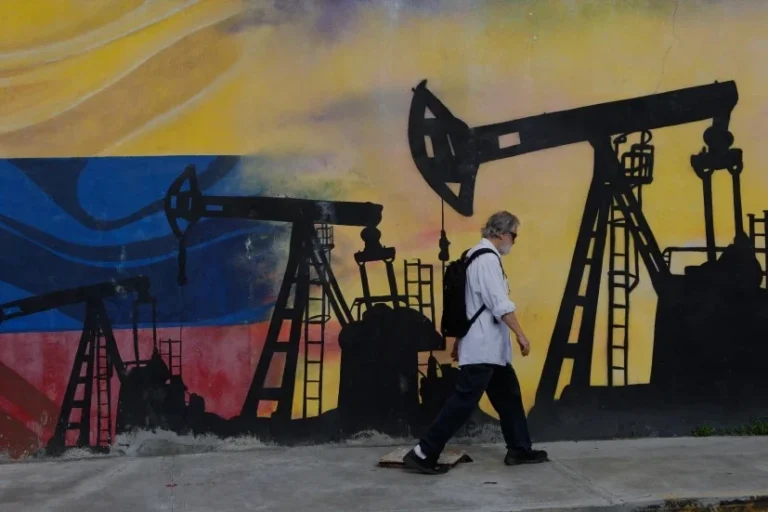
Energy expert Amirhossein Hashemi-Javid argues that the core of the crisis is the US blockade, which prevents Iran from exporting its oil. “Oil that cannot reach customers from the well provides no revenue for the Iranian economy; it is simply barrels that incur increasing production, storage and risk costs every day,” he explained.
As the government weighs the benefits of continued confrontation against potential diplomatic avenues, the reality for the average citizen remains bleak. Six months into the current conflict, the primary impact of the latest US policy has been to push a larger segment of the population into deeper poverty. The report also notes that he said it was necessary to reduce petrol consumption by as much as 10% to reduce the need for expensive imports, as part of this war. The report also notes that the cratering economy leaves the country’s political class on edge as they try to prevent economic conditions leading to social chaos. The report also notes that households are buying fewer goods, as purchasing power in Iran collapses. The report also notes that clothes are being patched up and repaired rather than replaced, and medicine is in short supply, though it can be found on the hidden market, diets are changing. The report also notes that with some lines blocking entire streets, long lines of cars stretched through parts of Tehran and the north-eastern Iranian city of Mashhad on Tuesday and Wednesday as motorists queued for fuel.



Comments