

The Organisation for Economic Co-operation and Development (OECD) has revised its growth outlook for the UK, anticipating a slight slowdown in economic expansion for 2027. The agency now projects the UK economy will grow by 1% in 2027, a downward adjustment from its previous forecast of 1.1%.
Conversely, the outlook for 2026 has been upgraded, with growth now expected to reach 1.1%, up from the prior estimate of 0.9%. This short-term improvement is attributed to solid domestic demand growth, though the agency warned that longer-term economic prospects remain sensitive to global instabilities.
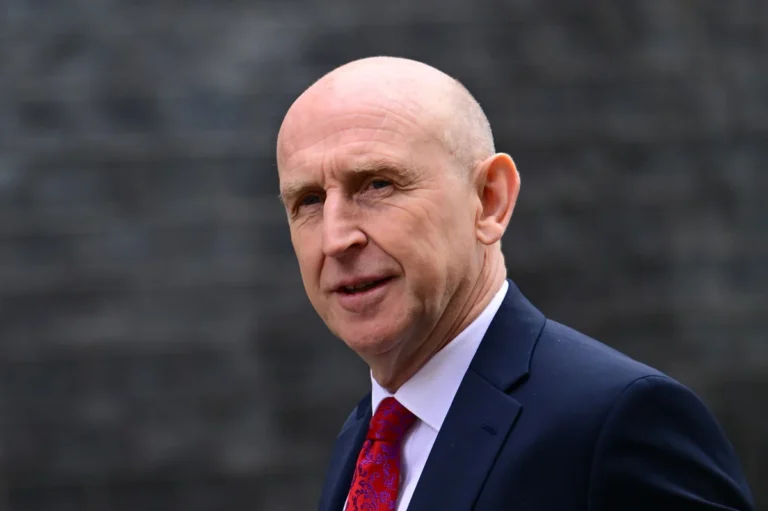
These economic projections arrive as Chancellor John Healey prepares to deliver his first Budget in late October. Prime Minister Andy Burnham has identified cost-of-living relief for households as a primary government objective, yet his administration faces significant fiscal constraints. Both the Prime Minister and the Chancellor are navigating a delicate balance, attempting to provide financial support to households while strictly adhering to Labour’s manifesto commitments on taxation and self-imposed fiscal rules.
The fiscal environment has been further complicated by rising inflation, which has increased the cost of interest on government debt. This, combined with a notable surge in government borrowing during August, continues to exert pressure on the Treasury.
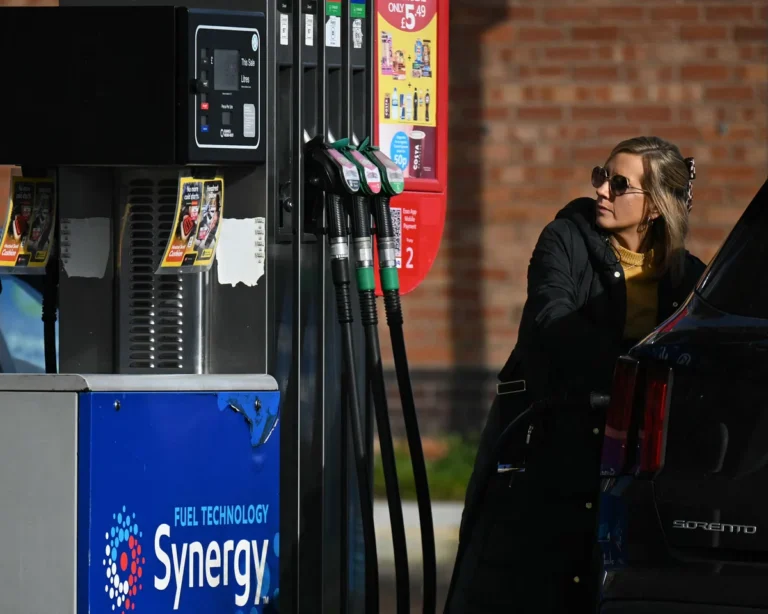
Global factors, particularly the ongoing war involving the US and Israel in Iran, remain a significant source of uncertainty. The OECD highlighted that this prolonged conflict, alongside potential climate-change related supply shocks, poses risks to global economic stability. Higher fuel prices resulting from the conflict are expected to impact growth throughout 2027, with the severity determined by the duration of supply disruptions. While stockpiles of oil and alternative supplies have provided a temporary cushion, many countries, including Australia, Canada, and those in the Euro-area, are expected to see global growth dip by 0.1% next year.
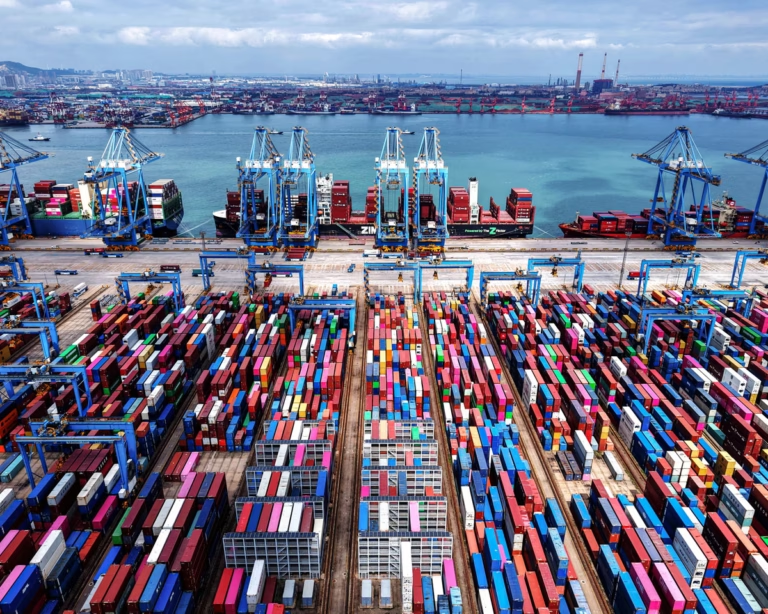
Trade volatility also remains a key concern. The OECD noted that new US tariffs implemented in July, following the Trump administration’s trade policies, have increased the effective tariff rate by 1%, adding to global trade uncertainty alongside persistent export restrictions.
Chief Secretary to the Treasury Emma Reynolds maintained an optimistic outlook, stating that the UK economy is demonstrating resilience despite unprecedented pressures and conflicts in both the Middle East and Europe. She emphasized that the government is actively working to provide families with financial relief while initiating structural changes to foster job creation and growth across the country.
In contrast, Conservative shadow chancellor Andrew Griffith sharply criticized the government’s approach. He noted that the OECD has urged nations to exercise fiscal restraint by controlling spending and improving public sector efficiency. Griffith argued that the current administration is instead pursuing new taxation methods while facing interest rates on borrowing that rank among the highest in the G7. The report also notes that according to the OECD, which predicted it will grow by 1% in 2027, against an earlier forecast of 1.1%, the downgrade to the UK’s economic growth outlook is moderate.






Comments