
In 2006, producer Andrew Eaton approached a screenwriter with a daunting proposition: adapt David Peace’s quartet of novels, a series described by the author as “fiction torn from the facts.” The screenwriter, who had previously collaborated with Michael Winterbottom, found the first book, 1974, both compelling and repelling. It was a visceral, angry work rooted in the grim reality of the Peter Sutcliffe and Stefan Kiszko cases, yet stylized into a heightened narrative. Despite the daunting nature of the experimental source material and the years of commitment required, the project moved forward with a vision to capture the decade-spanning story.
The production strategy involved assigning a different director and format to each film to provide unique perspectives. The 1974 installment drew stylistic inspiration from the film Chinatown, utilizing a smoky, brown aesthetic to mirror the 1970s. The production team prioritized strong performances, assembling a cast that included David Morrissey, Sean Harris, Maxine Peake, and Rebecca Hall. To maintain the tension, the most graphic violence was kept off-screen, relying on the audience’s imagination to fill in the horrors. The interrogation scenes, which depicted the brutal treatment of suspects, were intentionally unsettling, particularly the portrayal of Stefan Kiszko, a man with the mental capacity of a 12-year-old who was wrongly imprisoned for 16 years and died shortly after his 1992 release.
The series faced significant budgetary constraints, which ultimately forced the cancellation of the 1977 installment—a decision that left the creative team heartbroken, as the project was intended to be a complete quartet. Despite this, the remaining films gained a cult following, with critic David Thomson famously comparing the work to The Godfather. The series also left a lasting mark on the industry, with Nic Pizzolatto noting its influence on True Detective. For actor Mark Addy, who played the washed-up solicitor John Piggott, the project was an easy “yes” after seeing the caliber of the cast, which included Sean Bean, Paddy Considine, and Peter Mullan. Despite the lack of trailers or comfortable amenities, the actors worked for Equity minimums, driven by the strength of the scripts.
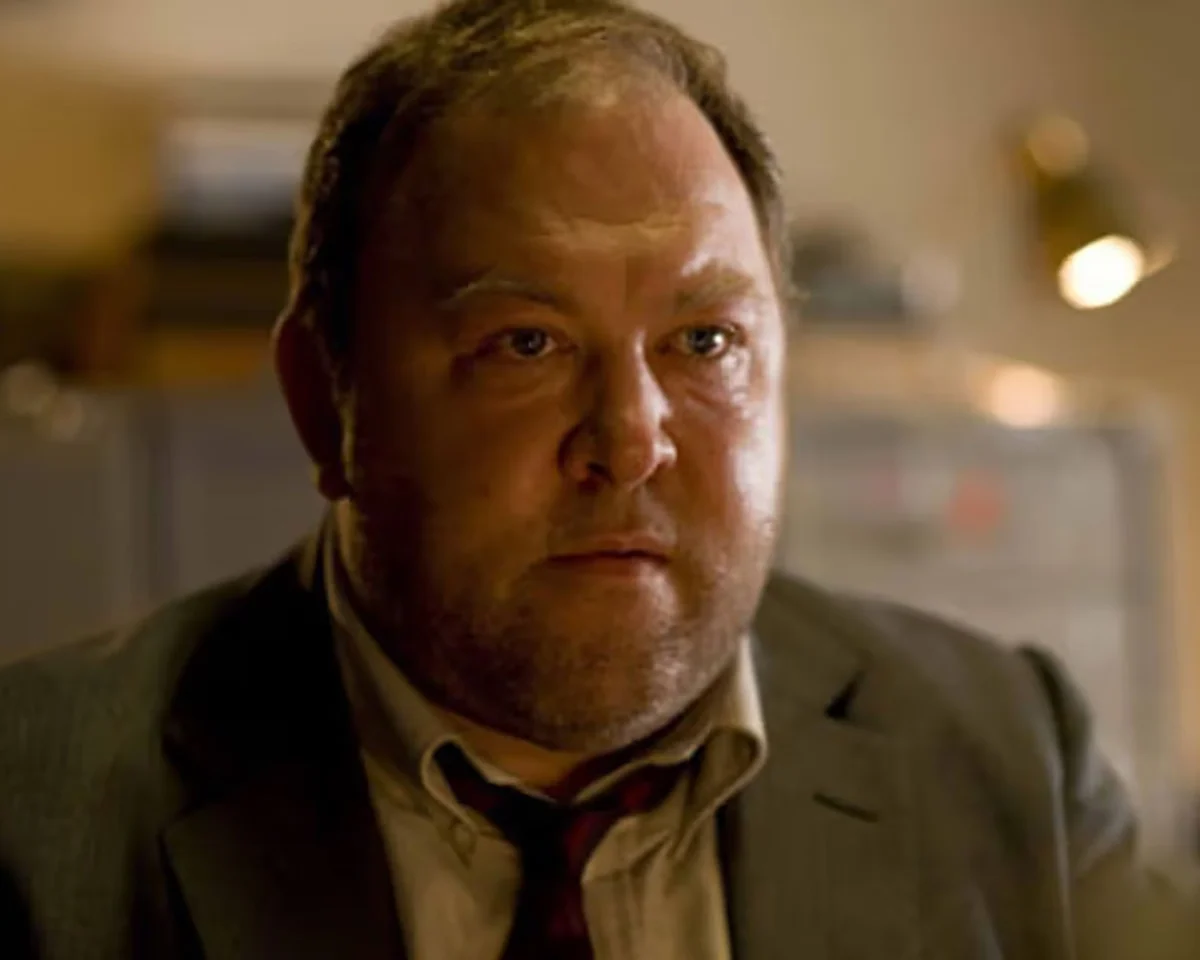
Addy’s character, Piggott, served as a rare beacon of light in the bleak narrative. To capture the character’s perspective, the crew used a camera rig strapped to the actor during a flashback scene. The production design was intentionally gritty, reflecting the dark atmosphere of the era. On location in Yorkshire, the crew would dress sets with burnt-out cars or upturned shopping trolleys to evoke the period’s decay, often to the bewilderment of locals who jokingly suggested adding floral arrangements instead. Addy, who grew up in York during the Ripper era, recalled the palpable tension on the streets as police struggled to track Sutcliffe.
The impact of the series extended well beyond its initial release. Ridley Scott, after watching the films, acquired the US rights and cast Addy as Friar Tuck in his Robin Hood film, joking that seeing Addy eat a frozen Findus Crispy Pancake in character convinced him he was the right man for the role. While the team still holds out hope for the missing fourth chapter, the existing trilogy remains a landmark of television drama. The project’s success, despite its dark subject matter and minimal resources, stands as a testament to the dedication of everyone involved in bringing Peace’s “Yorkshire dark” vision to the screen. The report also notes that are you interested in adapting them?” I read the first, 1974, and was drawn to it and repelled at the same time. The report also notes that full of anger and injustice, it was strong meat. The report also notes that i was scared stiff because the novels were so experimental but I desperately wanted to do it – even if adapting all four would mean waving goodbye to several years of my life. The report also notes that so I condensed a lot, the books span a decade with a huge cast of characters. The report also notes that it meant each had its own reference points. The report also notes that i thought about Chinatown a lot with 1974.

Comments