
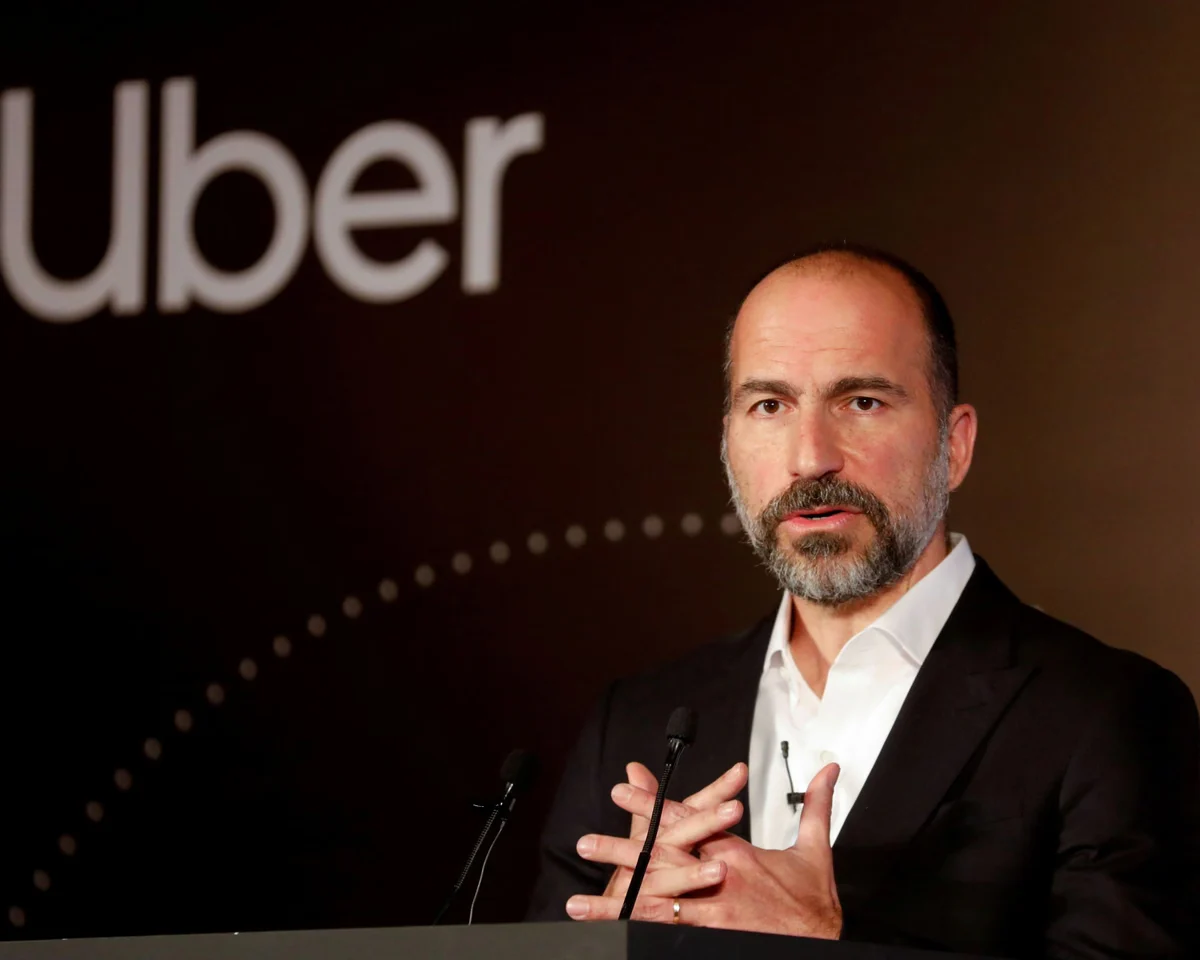
Uber is initiating a significant corporate restructuring that will result in the loss of approximately 3,300 jobs, representing 10% of its global workforce. Chief Executive Dara Khosrowshahi announced the layoffs on Wednesday, framing the move as a necessary step to make the company “simpler and faster” while creating capacity for future investments.
The current reduction marks the largest workforce contraction for the San Francisco-based firm since 2020, when it cut 6,700 positions during the height of the Covid-19 pandemic. While affected employees have already been notified, the company noted that specific local processes will apply in various countries.
Khosrowshahi explained that while Uber has performed well over the last five years, rapid growth introduced excessive complexity. He pointed to fragmented ownership, redundant coordination, and management layers that no longer suit the company’s current scale. As part of the overhaul, Uber is merging operational and tech teams and reducing the number of “micro-teams” by nearly 50%.
The reorganization also targets the company’s hierarchy, with the number of employees positioned more than seven layers away from the CEO being reduced by 20%. Khosrowshahi acknowledged the difficulty of these decisions but emphasized they are essential for building a stronger organization.
Beyond staff reductions, Uber is tightening its workplace policies. The company is requiring the majority of its staff to return to the office, reinforcing a hybrid model that mandates three days of in-person attendance. Consequently, less than 1% of the workforce will remain fully remote.
These changes coincide with significant strategic shifts for the business, which is now valued at over $150bn. Uber is committing $10bn toward the development of autonomous vehicle technology, including plans to launch self-driving taxis in the UK following recent approval from Transport for London.
The company is also aggressively expanding its food delivery footprint, recently striking a $14.8bn deal to acquire the German firm Delivery Hero. This move aims to bolster UberEats in a highly competitive global market where it faces intense pressure from rivals like DoorDash.
Despite these corporate shifts, the company continues to face legal challenges, including a recent European class-action lawsuit from drivers regarding the use of AI algorithms. Since its founding in 2010, Uber has grown into a global transportation and delivery powerhouse, and leadership maintains that this restructuring is vital for its long-term trajectory. The report also notes that the cuts are the largest since 2020 when Uber laid off 6,700 people in response to a major downturn in rides during the Covid pandemic. The report also notes that uber, which has its headquarters in San Francisco, did not specify how many roles would be affected in each location that it has offices, including in London.





Comments