
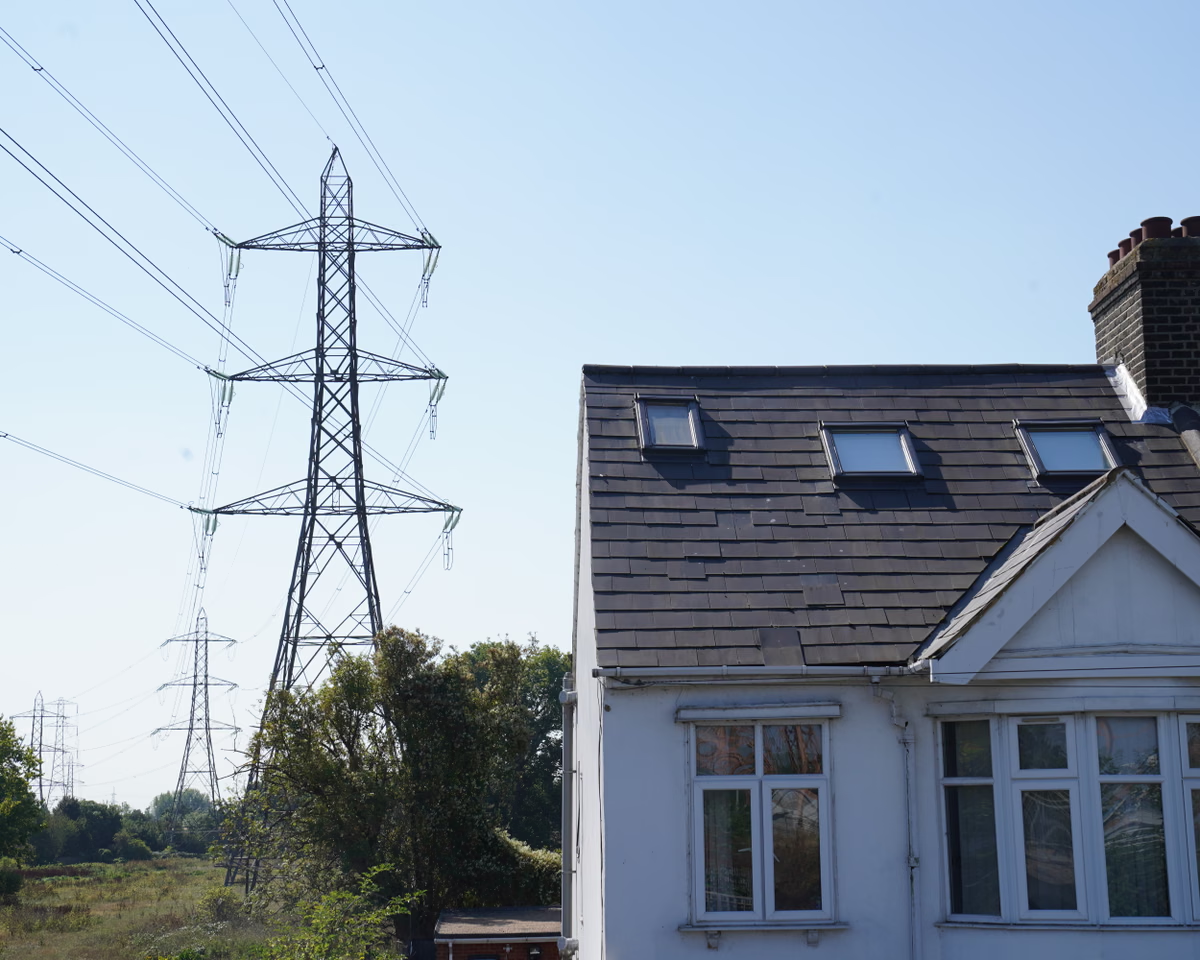
Households situated within 500 metres of new power pylons are set to receive a £250 annual reduction on their energy bills. This initiative, which aims to support the UK’s transition away from fossil fuels, will provide eligible residents with up to £2,500 in savings over a decade for “hosting vital infrastructure.”
The policy is part of a significant national grid upgrade, the largest since the 1960s, covering more than 40 locations across Great Britain. By offering these financial incentives, the government hopes to mitigate public opposition to the construction of new substations and overhead lines.
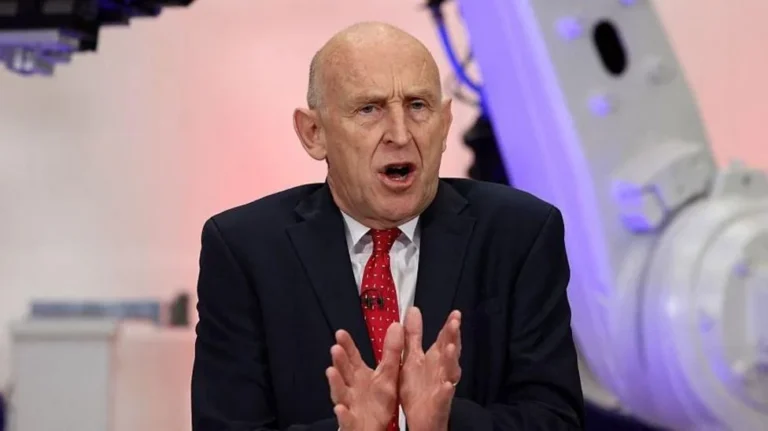
Energy Minister Michael Shanks described the multibillion-pound project as a “moment of national renewal.” He stated that these upgrades are “a vital part of how we deliver secure, homegrown energy and unlock economic growth across the country,” noting that the work is essential to modernizing an aging network and ultimately lowering electricity costs for all consumers.
Grid companies are projected to invest up to £77bn over the next five years to expand networks capable of transporting renewable energy from remote or offshore generation sites to high-demand urban centers. The government opted for this pylon-based approach after research commissioned by the Department for Energy and Net Zero (DESNZ) concluded that building pylons remains the most cost-effective method for upgrading the grid, offering the best value for bill-payers compared to underground cabling.
Eligible households will receive these discounts automatically through their energy suppliers every six months, with the first payments scheduled to begin next year.
Beyond individual bill discounts, the government has mandated that grid operators—including National Grid, SSE, and Scottish Power—contribute millions to local community funds. For instance, the Bramford-to-Twinstead grid reinforcement project is expected to provide over £4m for local initiatives, while the Chirmorie overhead line project in Scotland will offer approximately £2.4m in community benefits.
These infrastructure improvements are intended to address current grid constraints, which frequently force wind and solar farms to halt production when local demand is insufficient. Currently, the electricity system operator must pay gas plants to increase output or purchase imported power to balance the grid; these constraint payments are projected to reach £3bn by 2030.
Shanks emphasized the government’s commitment to ensuring that communities hosting these projects see direct benefits, stating, “It’s vital we build again as a country and we are determined those communities which host pylons should benefit.” The report also notes that the government has promised hundreds of thousands of homes living within 500 metres of new grid infrastructure a saving of up to £2,500 on their energy bills over 10 years in return for “hosting vital infrastructure” whi. The report also notes that one of the biggest grid upgrade drives since the 1960s will mean communities in over 40 locations across the country will be eligible for the payments as the government hopes to prevent a backlash against increased the b. The report also notes that the government has promised hundreds of thousands of homes living within 500 metres of new grid infrastructure a saving of up to £2,500 on their energy bills over 10 years in return for “hosting vital infrastructure” which will help the UK transition away from fossil fuels.







Comments