
Mathew Davis, a 49-year-old currently living in an Austin, Texas, homeless shelter, faces a daily struggle to secure stable housing. Even a modest $450-a-month tiny home—lacking running water and requiring the use of a communal bathroom—remains financially out of reach given his limited income from donating blood plasma. “I don’t make enough money really to afford anything,” Davis said, describing his situation as a constant effort to “swim uphill.”
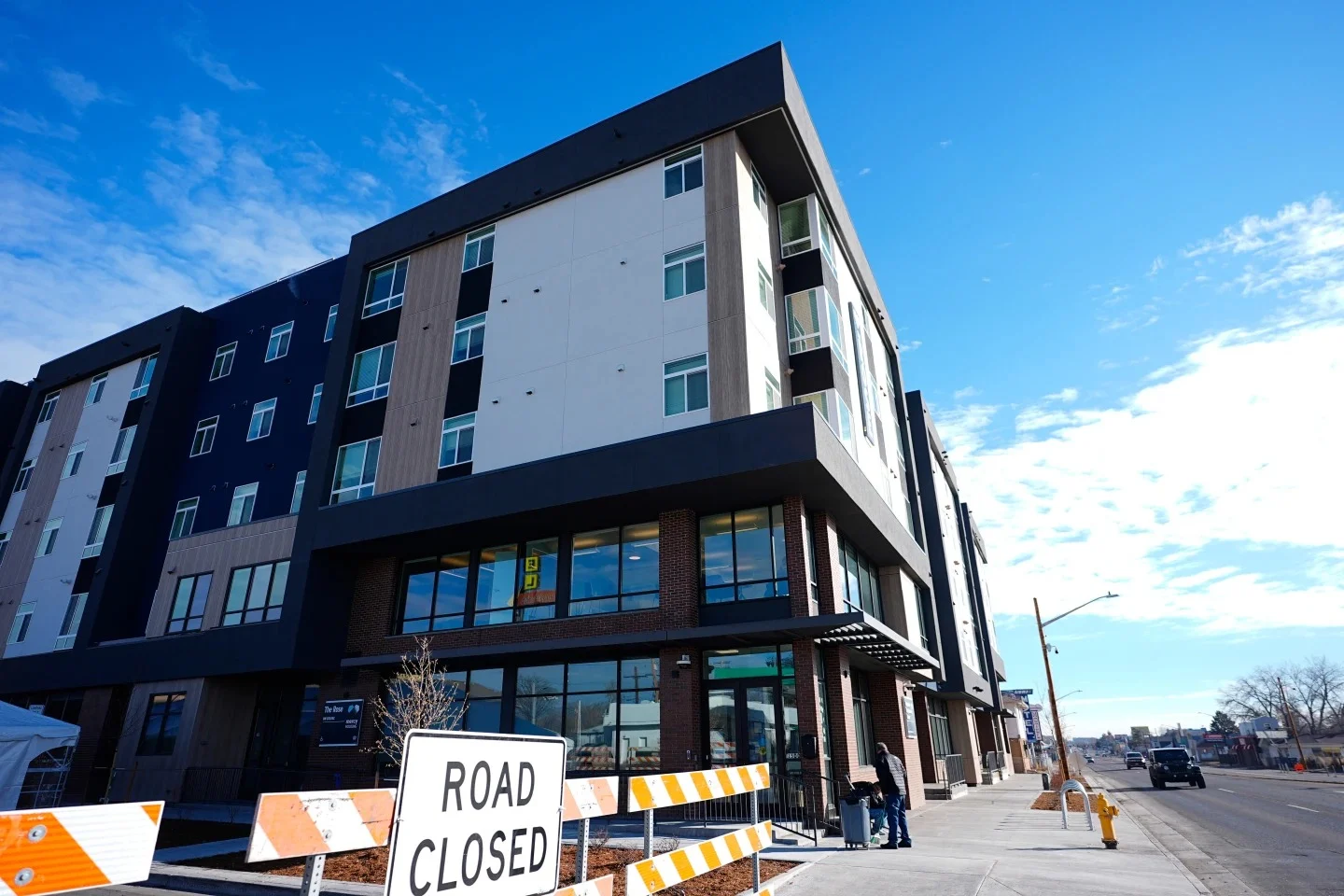
The paradox of the current housing crisis is that while the nation’s poorest residents face an acute lack of affordable options, thousands of units officially classified as affordable remain unoccupied. In Austin alone, more than 4,500 such units—roughly 16% of the city’s affordable stock—sit empty. This trend is echoed in cities like Denver and Portland, Oregon, where units intended for low-income residents are failing to find tenants.
Data from the National Low Income Housing Coalition highlights the scale of the problem: there are only about 4 million affordable rental units available for 11 million extremely low-income renter households. These households, which include seniors, people with disabilities, and low-wage workers, typically earn either below federal poverty guidelines—roughly $16,000 for a single person—or 30% of their area’s median income (AMI). Approximately three-quarters of these families spend more than half their income on rent and utilities, leaving little for other essentials.
A primary driver of this mismatch is the federal Low-Income Housing Tax Credit program. While the program has financed nearly 4 million units over 40 years, the majority of recent funding has targeted households earning 50% to 60% of the area median income, rather than the poorest. In 2024, only about 12% of units financed through this program were set aside for the lowest-income tier. Critics, such as Cato Institute economist Chris Edwards, argue the program is overly bureaucratic and inefficient, suggesting that direct tenant vouchers would be a more effective way to subsidize housing.
Developers often find it mathematically impossible to build for the lowest income brackets without significant, non-existent subsidies. Carmen Romero, CEO of True Ground Housing Partners in the Washington, D.C. area, noted that a unit for someone earning 60% of the AMI generates enough rent to cover mortgage and operating costs, whereas a unit for someone at 30% of the AMI would not cover expenses. Consequently, many developers focus on the 60% AMI demographic.
However, these 60% AMI units are increasingly competing with market-rate apartments. As rents for affordable units rise to approach market rates, potential tenants are opting for market-rate housing, which offers faster approval processes and less invasive income verification. Rebekah Fischer of LDG Development explained that while market-rate applicants can be approved in minutes, affordable housing applicants must provide exhaustive documentation, including bank statements and pay stubs. This administrative burden, combined with rising rents, has led to vacancy rates as high as 13% for 60% AMI units in Denver and 7.5% in Portland.
Local governments are struggling to bridge the gap. Austin officials set a goal to build 20,000 units for extremely low-income residents between 2018 and 2027, but as of 2024, only 543 had been completed. In contrast, all 15,000 units planned for those earning 60% to 80% of the AMI were successfully built. The Austin housing department stated it recognizes the need to prioritize the poorest residents and is taking steps to adjust its funding preferences accordingly. For individuals like Davis, however, the wait for a viable solution continues. “I want to shut the door at night and be able to sleep,” he said. “I really just want to find the right place.” The report also notes that in Austin, that’s a single person earning roughly $47,000 a year, as compared with an extremely low-income person earning under $28,000. The report also notes that “It’s enormously complex and bureaucratic, and it raises the cost of construction enormously because the rules are so complicated,” said Chris Edwards, an economist at the Cato Institute, a libertarian think tank, who to. The report also notes that an affordable housing developer in the Washington, D.C., area, gives an example: A unit for those earning 60% of the area’s median income — nearly $70,000 a year — brings in $1,715 per month, true Ground Housing Partners. The report also notes that meanwhile, some people are forced into homelessness and others into desperate circumstances to pay for housing they can’t afford. The report also notes that still, there’s a major federal funding shortfall: Experts estimate only one-in-four eligible families ever receive vouchers.









Comments