
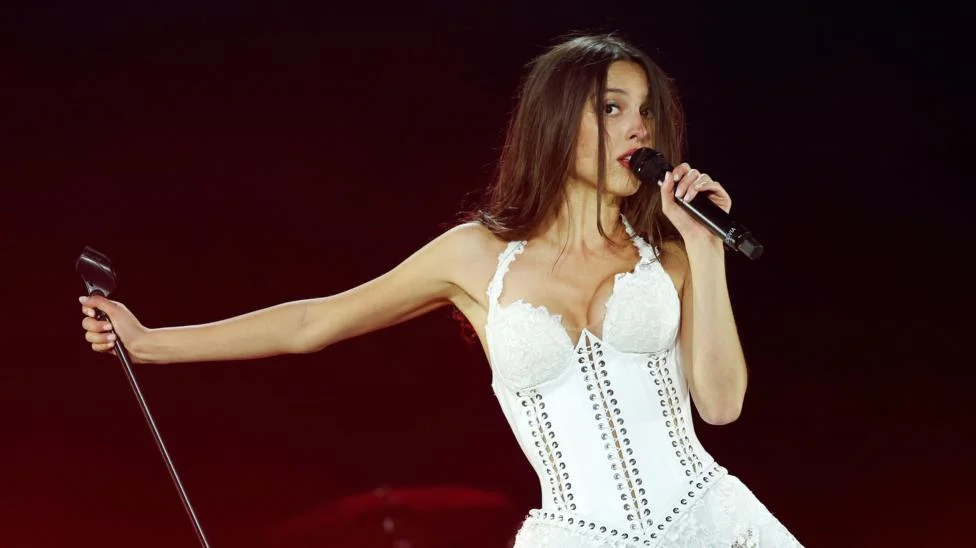
Following a fallow year in 2026, the Glastonbury Festival has confirmed its return for 2027, with the event scheduled to take place from 23 to 27 June. Organisers have announced that tickets for the upcoming festival will go on sale in early October, though fans will face the highest prices in the event’s history, with costs breaking the £400 barrier for the first time.
Tickets for the weekend are priced at £408, a figure that includes a £5 booking fee. This represents an increase of £29.50 compared to the 2025 event, which was the last time the festival was held. During that year, the Pyramid Stage was headlined by Olivia Rodrigo, The 1975, and Neil Young.
The sales process will begin with tickets including coach travel, which become available at 18:00 BST on Thursday, 1 October. General admission tickets will follow at 09:00 BST on Sunday, 4 October. To combat ticket touting, the festival continues its requirement for attendees to register in advance. Prospective festival-goers are advised to verify their registration status on the official website before the sale dates, as the event typically sells out in less than an hour.
The festival has implemented an automatic queuing system for the sale days, requiring fans to be online with a valid registration number before the start time. While the headlining acts for 2027 remain unconfirmed, speculation has linked various artists to the event, including Harry Styles, Fontaines DC, Taylor Swift, and Stevie Wonder.
Addressing the lineup, festival organiser Emily Eavis recently clarified that Madonna will not be performing, despite the singer hinting at UK dates. Speaking on Radio 4’s The Media Show, Eavis confirmed that while Madonna is not on the bill, the team has secured three other headliners. She declined to comment further on the possibility of a performance by Taylor Swift.
The decision to raise prices reflects a broader trend across the UK music industry. Analysis indicates that the cost of attending major festivals has risen significantly over the last decade, often outpacing inflation. Factors contributing to these hikes include increased energy and infrastructure expenses, as well as post-Brexit labour shortages.
In previous statements, Eavis acknowledged the difficulty of managing these costs while recovering from the financial impact of the two-year hiatus caused by the Covid pandemic. She noted that organisers have worked extensively to minimize price increases while maintaining the scale of the vast production.
Despite the general upward trend in festival pricing, some events have managed to maintain stability. For instance, the recent Reading and Leeds festival kept its ticket prices at 2025 levels, with passes starting at £325 and rising to £361 for early-bird entry. By comparison, Glastonbury has seen a 30% price increase—roughly £85—over the same period as other major industry events. The report also notes that anyone wanting to attend Glastonbury had to be registered in advance, as part of an ongoing campaign to stop touts. The report also notes that you can check your registration on its website. The report also notes that glastonbury, which features more than 100 stages, was already the UK’s most expensive music festival, but next year’s ticket prices are the highest ever – breaking the £400 barrier for the first time. The report also notes that rising by about £40 (14%) over the same period, parklife tickets have increased by around £69 (71%) in real terms since 2013 – while Reading and Leeds had a much smaller increase. The report also notes that in 2023, Emily Eavis acknowledged it was a “challenging time” for festival organisers, glastonbury said they would not be commenting on today’s announcement but.



Comments